Articles by admin

No Image

Today in Movie Culture: The Dark Future of 'Star Wars,' The Muppets Parody 'Alien' and More

Here are a bunch of little bites to satisfy your hunger for movie culture:

Video Essay of the Day:

With Rogue One out this week, we’re getting lots of Star Wars bites, including this Frame by Frame essay predicting where the Star Wars franchise is headed based on its genre’s history:

[embedded content]

Cosplay of the Day:

Fans built real-life water-based speeder bikes and made this cosplay-filled Return of the Jedi-inspired action sequence (via /Film):

[embedded content]

Reworked Trailer of the Day:

And here is a remake of the Star Wars: The Force Awakens in 8-bit video game style animation:

[embedded content]

Movie Takedown of the Day:

Honest Trailers tries really hard to strike down The Empire Strikes Back and manages to take its worth down just a notch or two:

[embedded content]

Film Score Cover of the Day:

“Duel of the Fates” from the Star Wars movies is performed by eight singers a capella in this cover from The Warp Zone:

[embedded content]

Movie Food of the Day:

Let’s follow all that Star Wars with something Star Trek, specifically a gingerbread crashed Enterprise inspired by Star Trek Generations (via Geekologie):

Movie Parody of the Day:

The Muppets brought back Pigs in Space for a fun parody of the Alien chestburster scene (via /Film):

[embedded content]

Vintage Image of the Day:

Steve Buscemi, who turns 59 today, as a firefighter in New York City in the early 1980s before he became an actor:

Steve Buscemi when he worked as a firefighter at the New York City Fire Department, 1981. pic.twitter.com/sUW3n35CIO

— Lost In History (@HistoryToLearn) August 22, 2015

Year-End Recap of the Day:

The latest essential 2016 trailer mashup is the annual offering from supercut master Sleepy Skunk (via First Showing):

[embedded content]

Classic Trailer of the Day:

Today is the 20th anniversary of the release of Tim Burton’s Mars Attacks! Watch the original trailer for the all-star alien invasion comedy below.

[embedded content]

and

Let’s block ads! (Why?)


No Image

'Maybe I'm Just Being A Chicken Little'; Transcript Describes Ship's Final Hours

Family members of the crew stand during a moment of silence for those lost on the El Faro ship in February. Bruce Lipsky/AP hide caption

toggle caption

Bruce Lipsky/AP

In the hours before it sank, crew members of the cargo ship El Faro struggled to find a safe course around an increasingly serious storm, according to a transcripts from the ship’s data recorder released Tuesday.

All 33 crew members died when the freighter sank near the Bahamas on Oct. 1, 2015, after sailing into the middle of Category 3 Hurricane Joaquin.

The National Transportation Safety Board is still investigating the disaster, but on Tuesday the agency released a 510-page transcript of data recorded on the bridge of the ship, where decisions about its course were made.

The recording covers the final 26 hours of the voyage. It includes audio of crew members talking, as well as information about the weather and the ship’s location.

In many cases, NTSB investigators said the voices of various crew members were difficult to understand because the room was metal and sounds echoed. In some cases, the transcript report notes, voices were unintelligible.

Still, the transcript provides a window into the final night aboard El Faro, and some of what her crew talked about, particularly the ship’s captain, Michael Davidson.

As NPR’s Greg Allen has reported, Davidson was an experienced captain:

When he left port on Tuesday in the El Faro, Joaquin was a tropical storm, not a significant concern. On early Thursday when he made the radio call to the company, Davidson said the ship was listing to one side, had lost its propulsion, was taking on water.”

The ship’s chief mate, second mate and third mate all spent significant amounts of time on the ship’s bridge during the crisis, sometimes for hours on end without the captain during shifts when Davidson was scheduled to sleep.

Article continues after sponsorship

Beginning before midnight, the transcript shows crew members, all of whose names were redacted from the transcript, were aware the instrument on the ship measuring wind speed was not providing accurate information.

At a press conference announcing the release of the transcript, officials from the NTSB declined to comment on who or what ultimately cause the ship to sink, citing the ongoing investigation.

The following is a partial timeline of the last night aboard El Faro, beginning the evening of Sept. 30 and ending when the recording ends the morning of Oct. 1.

Partial Timeline Of The Last Night Aboard El Faro

7:57 p.m. Capt. Davidson and the Chief Mate have a “brief unintelligible conversation.” The captain’s voice “was not detected again on the bridge until 4:09 a.m.

8:21 p.m. Third mate discusses his concern about the ship’s overnight route taking it so close to where he understood the storm to be with a junior crew member. “Maybe I’m just being a chicken little. I don’t know,” says the third mate.

A map of Hurricane Joaquin showing where the ship El Faro sank early on Oct. 1, 2015. via NTSB hide caption

toggle caption

via NTSB

11:05 p.m. Third mate calls Capt. Davidson, who has left the bridge, to suggest he look at the latest forecast, and tells the captain it shows the hurricane with 100 mph winds “advancing toward our trackline – and uhh– puts us real close to it” by 4 a.m. The captain’s side of the conversation was not on the recording.

11:13 p.m. Third mate calls Capt. Davidson and says at 4 a.m. the ship will be 22 miles from the center of the storm, which will have wind gusts up to 120 mph, and provides an possible alternative route that involves turning south at 2 a.m.

12:43 a.m. Second mate expresses frustration that “every time we come further south the storm keeps trying to follow us,” indicating that at least one adjustment had been made to the ship’s course in reaction to the hurricane.

Excerpt of data recording transcript from 1:15 a.m. “2M” refers to the ship’s second mate. via NTSB hide caption

toggle caption

via NTSB

1:15 a.m. Satellite radio news bulletin announces Hurricane Jaoquin has been upgraded to a Category 3 storm. Second mate says “Oh, my God.”

1:20 a.m. Second mate calls Capt. Davidson with updated hurricane forecast information. Davidson says to stay on the current course.

2:00 a.m. National Hurricane Center “predicted seas of 30 feet with sustained winds of 74 mph, increasing to 121 mph,” according to the NTSB.

Excerpt of data recording transcript from 2:47 a.m. “AB-2” refers to a junior member of the ship’s crew. “2M” refers to the ship’s second mate. via NTSB hide caption

toggle caption

via NTSB

2:48 a.m. Second mate and junior crewmember have the following exchange:

Second mate: “That was a doozy. That was not a good one.”

Junior crewmember: “Yeah that was a big wave.”

Second mate: “[We] won’t be able to take more of those.”

4:10 a.m. Capt. Davidson arrives on bridge, refers to the weather as “a typical winter day in Alaska.”

5:54 a.m. Chief Mate tells the captain one of the ship’s holds is flooded.

6:13 a.m. Capt. Davidson says he thinks the ship has lost propulsion and that the ship is listing to one side.

6:31 a.m. Capt. Davidson says he wants “everybody up.”

6:38 a.m. Capt. Davidson and second mate discuss email addresses for the U.S. Coast Guard and “the company,” referring apparently to the ship’s owner.

6:54 a.m. Capt. Davidson says it is “miserable right now” and that “we’re gonna stay with the ship. We are in dire straits right now.”

7:01 a.m. Capt. Davidson calls the ship’s owner and says:

“This is a marine emergency. … we had a hull breach, a scuttle blew open during a storm. We have water down in three hold. We have a heavy list. We’ve lost the main propulsion unit. The engineers can not get it going.

“No one’s panicking.”

7:17 a.m. U.S. Coast Guard receives an electronic distress signal from El Faro

7:27 a.m. General alarm sounded.

7:29 a.m. Someone yells there are shipping containers in the water.

7:29 a.m. Capt. Davidson orders the crew to abandon ship.

7:39 a.m. Recording ends with Capt. Davidson still on the bridge of the ship.

An undated image made from an NTSB video released April 26, 2016, shows the stern of the sunken ship El Faro. National Transportation Safety Board via AP hide caption

toggle caption

National Transportation Safety Board via AP

Let’s block ads! (Why?)


No Image

Sign Up For Health Coverage If You Need It, Despite GOP Repeal Plans

If you need to buy health insurance, don’t procrastinate. Pablo Martinez Monsivais/AP hide caption

toggle caption

Pablo Martinez Monsivais/AP

Since Republicans have plans to repeal the federal health law, should consumers still sign up for next year’s coverage? And if the health law marketplaces disappear, might Medicare eligibility be expanded? Here are answers to some recent questions from readers.

It sounds like Republicans plan to repeal the health law in January once Donald Trump is sworn in. Since open enrollment goes until the end of January, should I just wait and see what happens before signing up?

No. Don’t wait. The future of the health law is murky, but some things are crystal clear. If you need marketplace coverage that starts Jan. 1, you have to pick a plan by Dec. 15, two days from now. So get cracking.

Republicans have pledged that if they repeal the law they’ll provide a transition period so that people won’t be stuck without coverage. But if you miss the enrollment period that ends on Jan. 31, you will be cutting yourself off from coverage for the year. After that date you can’t sign up for 2017 coverage on the exchange unless you qualify for a special enrollment period because you move to another state or lose your job-based coverage, for example.

Article continues after sponsorship

I’m 60 and I have coverage on the health insurance marketplace. If they do away with Obamacare, I’m not sure what I’ll do. I have diabetes and I had cancer when I was younger so I’m not an attractive insurance risk. Some people have proposed lowering the Medicare eligibility age so more people can qualify earlier. Is that really an option?

Beyond the political challenges there are also practical ones, said Dr. Ezekiel Emanuel, chair of the Department of Medical Ethics and Health Policy at the University of Pennsylvania and a former health policy adviser in the Obama administration. If policymakers simply reduced the eligibility age to 60, for example, “a lot of businesses would start sending their 60-year-old [employees] to Medicare and take the savings,” leading to a huge increase in costs for the program.

On the other hand, if individuals were able to buy into Medicare before age 65, even with subsidies it would probably be expensive to do so, Emanuel said. Those who would opt to buy in would likely be people with expensive health conditions like you who really need good coverage, a phenomenon called “adverse selection” that would make the program even more costly.

There is one possibility that could result in some sort of expanded Medicare in the longer term, Emanuel said. If the Republican Congress and Trump repeal Obamacare, millions of people may lose their health insurance. If that happens and current Republican proposals — state high-risk pools, for example, to provide coverage for people with expensive conditions — prove inadequate to the task, “there’s going to be a lot of pressure to do something,” he said.

I am 69 and have had Medicare Parts A and B since I turned 65. I also have a Medicare supplemental plan. I have recently been hired again and plan to take my employer’s insurance for 2017, and I will drop my supplemental plan and Medicare Part B because I won’t need them. When I start Medicare Part B again, will there be a penalty for stopping and then starting again?

In your case, you likely won’t be penalized, said David Lipschutz, senior policy attorney at the Center for Medicare Advocacy. As long as you’re actively employed and work for an employer with at least 20 employees, Medicare will consider your employer coverage your primary insurance and won’t penalize you for dropping and then re-enrolling in Part B, the medical insurance part of the program.

As you seem to be aware, the late-enrollment premium penalty for Medicare Part B can be hefty: 10 percent for every 12-month period when you could have signed up for Part B but didn’t.

Where people sometimes get tripped up is when they retire from a job and retain their employer coverage, Lipschutz said. Because they’re now retired and their coverage isn’t tied to their active employment, Medicare considers their employer insurance secondary to their Medicare coverage and will penalize people who don’t sign up for Part B when they become eligible.

Although you shouldn’t have any trouble re-enrolling in Part B when you leave your job, your Medicare supplemental plan, often called a Medigap plan, may be a different story. When you turn 65 and enroll in Part B, you are guaranteed the right to buy any Medigap plan in your state. But after that initial six-month enrollment window, insurers can evaluate your health and decide whether to offer you a plan.

That would apply to you when you return to the Medicare market. Some states provide additional rights to buy a Medigap plan; it’s worth checking to see if yours is one of them.

Kaiser Health News is an editorially independent news service that is part of the nonpartisan Henry J. Kaiser Family Foundation. Michelle Andrews is on Twitter: @mandrews110.

Let’s block ads! (Why?)


No Image

Today in Movie Culture: John Cena Spoofs 'The Karate Kid,' the Influence of 'Star Wars' and More

Here are a bunch of little bites to satisfy your hunger for movie culture:

Movie Parody of the Day:

John Cena plays the villain in this spoof of The Karate Kid from his appearance on Saturday Night Live over the weekend:

[embedded content]

Influential Movie of the Day:

For Fandor Keyframe, Jacob T. Swinney showcases the influence of the Star Wars movies on pop culture and more:

[embedded content]

Easter Eggs of the Day:

Mr. Sunday Movies reveals all the Easter eggs and references found in the new Spider-Man: Homecoming trailer:

[embedded content]

Video Essay of the Day:

Lewis Bond explores how editing is used as a storytelling tool in the latest Channel Criswell video essay:

[embedded content]

Video List of the Day:

See if your favorite opening credits made CineFix’s video counting down the 10 best title sequences of all time (via /Film):

[embedded content]

Vintage Image of the Day:

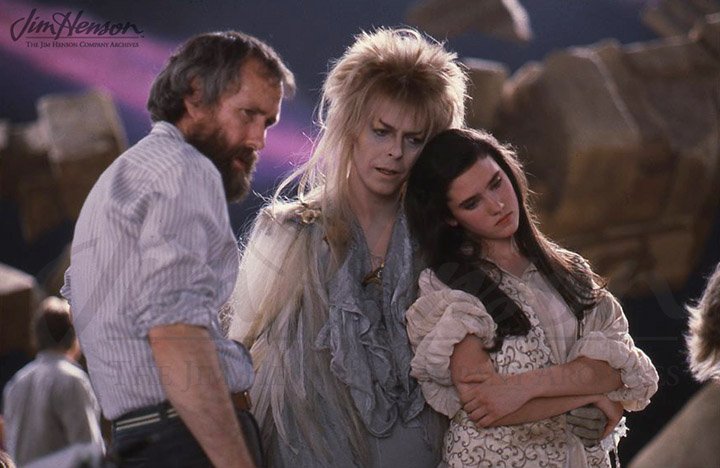
Jennifer Connelly, who was born on this day in 1970, with David Bowie and director Jim Henson on the set of Labyrinth in 1985:

Actor in the Spotlight:

With La La Land in theaters and dominating awards season, here’s a bunch of trivia about Ryan Gosling from ScreenCrush:

[embedded content]

Reimagined Movie of the Day:

CineMash put the audio from the trailer for 12 Years a Slave over footage from Minions to make the latter a movie about slavery:

[embedded content]

Bad Film Analysis of the Day:

Find out the true hidden meaning of Pixar’s Wall-E as explained by an alien in the future:

[embedded content]

Classic Trailer of the Day:

Today is the 50th anniversary of the premiere of A Man for All Seasons. Watch the original trailer for the Best Picture winner below.

[embedded content]

and

Let’s block ads! (Why?)


No Image

President-Elect Trump Postpones Business Conflicts Announcement

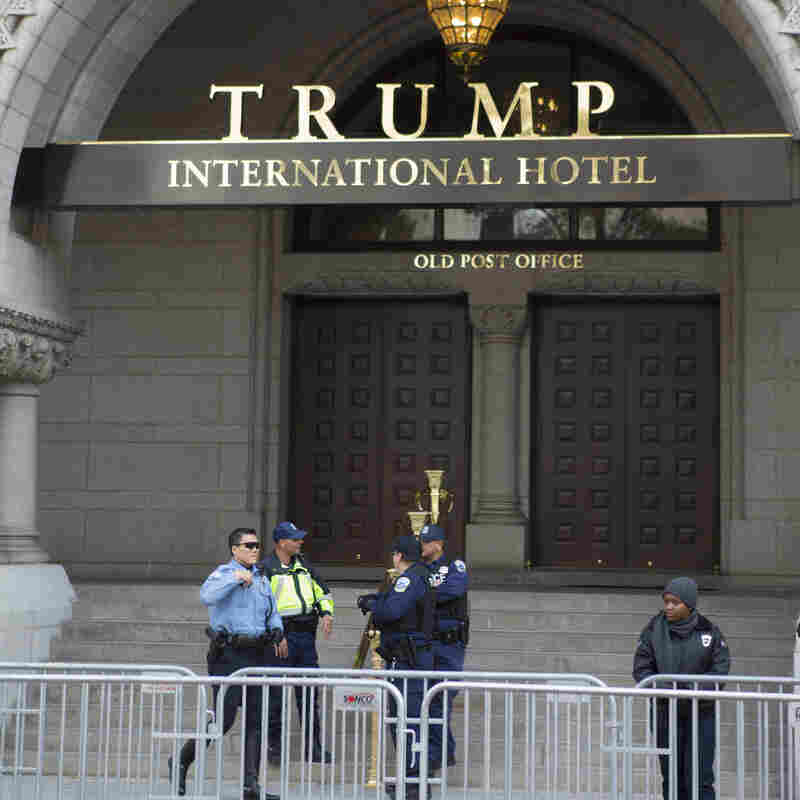
President-elect Donald Trump’s organization holds the lease on, and has opened a hotel in, a prominent building in Washington, D.C., one of many business interests that could lead to conflicts with his role as president. Jon Elswick/AP hide caption

toggle caption

Jon Elswick/AP

Donald Trump has canceled a planned news conference for Thursday intended to address potential business conflicts he may face as president.

“The announcement will be in January,” Trump transition adviser Sean Spicer told NPR.

As Bloomberg News, which broke the story, reports:

“Trump had planned to make the announcement Dec. 15 but wants more time because he’s been occupied with filling out his cabinet and top administration posts, according to the officials, who spoke on condition of anonymity to discuss internal deliberations. He’s preparing to reveal his choice for secretary of state as soon as Tuesday, they said.

“The president-elect has consulted various legal specialists as well as Don McGahn, his pick for White House counsel, about how to deal with his organization, the officials said. A new date for the announcement hasn’t been set, but it will be before his inauguration on Jan. 20, they said.

“Trump has about $3.6 billion of assets and $630 million of debt held in more than 500 companies, according to a July analysis by Bloomberg. His golf developments, tenant rosters, loans and licensing arrangements tie him to businesses and governments in 20 countries. Those ties risk hobbling his presidency with questions about motives for his policy and may raise constitutional issues.”

Article continues after sponsorship

Let’s block ads! (Why?)


No Image

Obamacare's Demise Could Be Quicker Than Republicans Intend

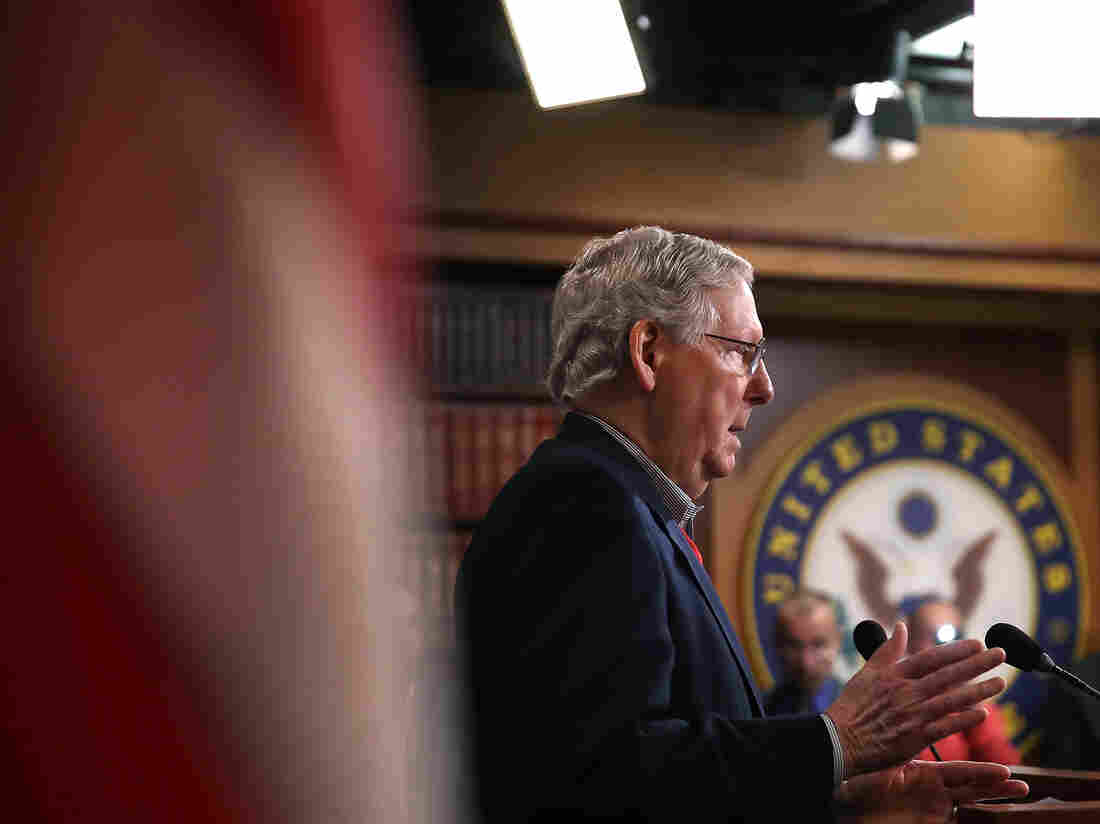
Senate Republicans will move “right after the first of the year” on a resolution to replace the Affordable Care Act, Senate Majority Leader Mitch McConnell told reporters Monday. Mark Wilson/Getty Images hide caption

toggle caption

Mark Wilson/Getty Images

Republicans in Congress say they’ll vote to repeal much of the Affordable Care Act early next year — even though they don’t yet have a plan to replace it.

But they also insist that they don’t want to harm any of the millions of people who got their health insurance under the law.

The lawmakers’ strategy? Vote to repeal, and fulfill their top campaign pledge. But delay the changes, and keep running Obamacare for as long as two years while they figure out how to fill the hole they’ll create in the insurance market.

“We will move right after the first of the year on an Obamacare replacement resolution,” Senate Majority Leader Mitch McConnell told reporters Monday, using terminology that refers to the type of vote lawmakers will take to defund the health care law.

“Then we will work expeditiously to come up with a better proposal,” he added.

House Speaker Paul Ryan has said the plan will protect patients.

“There needs to be a reasonable transition period so that people don’t have the rug pulled out from under them,” he told reporters at a news briefing at the U.S. Capitol last week.

Article continues after sponsorship

But repealing the law that essentially created an entire market for health insurance that didn’t exist before — and then expecting that insurance market to remain healthy — may be fantasy, according to health insurance consultants.

“I don’t think the Republicans have come to grips yet that it’s going to be their responsibility to keep the wheels on Obamacare,” Robert Laszewski, president of Health Policy and Strategy Associates, told Shots.

Republicans keep saying the Obamacare exchanges are collapsing, Laszewski said. But by voting to kill the law, they may actually speed up that process.

“They’re arguing that the thing is in death throes; that the insurance companies are losing tons of money; and it’s not sustainable,” Laszewski said. “Why do they think the insurance companies are going to provide the insurance policies in that scenario?”

An estimated 20 million people have obtained health insurance over the last three years via provisions in the Affordable Care Act. Some get coverage through the insurance exchanges, but millions are covered because of the expansion of Medicaid in most states, and because the law allows young adults to stay on their parents’ insurance policies up to age 26.

Laszewski isn’t the only one who’s skeptical of the “repeal but delay replacement” strategy.

Last week America’s Health Insurance Plans — the trade group that represents health insurance companies — circulated a memo on Capitol Hill warning that a sudden repeal of Obamacare could threaten the expanded health coverage for those millions.

“Making sudden, significant changes now, or mid-year, will jeopardize the coverage they depend on,” the letter said.

AHIP asked lawmakers to keep in place many of the financial incentives that are central to the law — including the provision of subsidies for people to buy insurance and cover copayments, and the elimination of some taxes on insurers.

The American Academy of Actuaries also weighed in, warning in its own letter that a repeal of the ACA without replacing it would be dangerous to the long-term health of the insurance market.

“Insurers are in a situation right now where they’re trying to determine whether or not they’re going to participate in 2018,” said Cori Uccello, a senior fellow at the American Academy of Actuaries. “And part of that depends on whether, in the long run, it makes sense for them to participate in the market. And that long run depends on what’s going to happen, not just in 2018, but in the years after 2018.”

The big problem is that through Obamacare, the government plays a huge role in helping people pay for insurance on the individual market. Many insurance companies are already losing money on those policies, so if they think the government won’t keep offering subsidies, insurers may just stop selling individual policies altogether.

They won’t necessarily wait to find out what Congress is hoping to do at some point in the future.

Insurers “will have to see more than the repeal element,” Shubham Singhal, head of the health care practice at McKinsey, who consults with health insurance companies, told Shots. “They’ll have to see, if it’s delayed, then what’s the transition plan? That’s going to be quite important for them, to understand whether it creates a stable marketplace or not.”

Another complication is that Republicans won’t be able to repeal the law outright because — in order to pass a regular piece of legislation in the Senate — they would need the support of Democrats to overcome a filibuster.

So they will have to use a special legislative maneuver that allows them to pass any bill related to taxes or the budget with a simple majority. That means lawmakers can defund Obamacare, but leave some provisions in place, including a requirement that insurers cover people who have pre-existing medical conditions.

Most experts believe having that requirement in place with no mandate for healthy people to buy insurance will lead companies to quit writing individual insurance policies altogether.

So, even people who had insurance before the Affordable Care Act became law, and who pay for it without subsidies, could lose their coverage.

“I don’t think the Republicans are taking this anywhere seriously enough,” Leszewski says. “They could get themselves into a real hole.”

Let’s block ads! (Why?)


No Image

Supreme Court Rejects Challenges To NFL Concussion Settlement

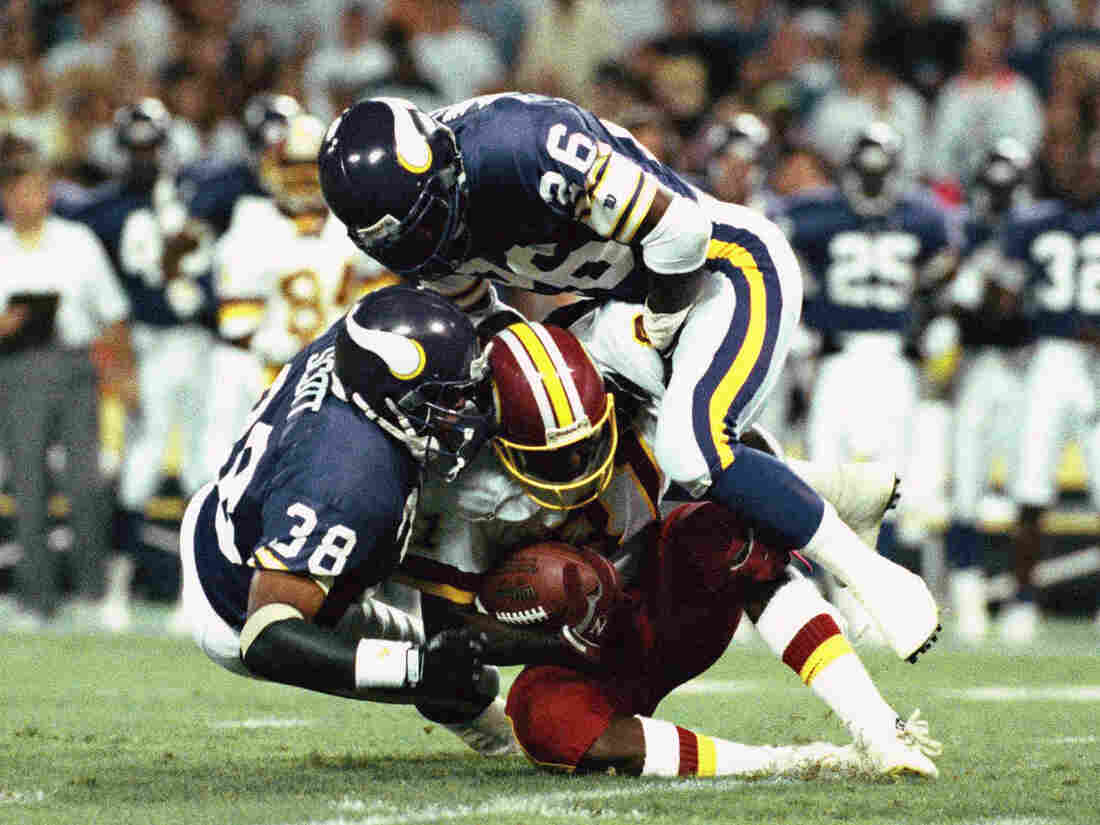
Minnesota Vikings players bring down Washington wide receiver Art Monk during an NFL game in 1992. Monk was one of the lead plaintiffs in the $1 billion settlement with the NFL over brain injuries among former players. Doug Mills/AP hide caption

toggle caption

Doug Mills/AP

The U.S. Supreme Court says it will not consider a challenge to the terms of a concussion-related settlement between the National Football League and more than 20,000 retired players.

The deal settled a class-action filed by former players who accused the NFL of covering up what it knew about the link between playing professional football and the degenerative brain disease known as chronic traumatic encephalopathy, or CTE.

The settlement was given final approval by a judge in 2015. But the deal was later challenged by a small group of dissenting players who argued that it “unfairly favored currently injured retirees and left thousands of former players who have not yet been diagnosed with neurological diseases without any recourse,” NPR’s Nina Totenberg reported.

Attorneys for those players also questioned whether the settlement should be renegotiated in light of comments made by the NFL’s executive vice president for health and safety, who acknowledged during congressional testimony earlier this year that there is a connection between football and CTE, as The Two-Way reported.

But a federal appeals court found the admission did not invalidate the deal, under which the NFL did not admit wrongdoing, and the Supreme Court upheld the lower court’s decision.

Now, with the final legal challenge over, payouts to individual players can begin.

The settlement will pay medical and other benefits to players who suffered concussions and related injuries and could cost the NFL up to $1 billion over 65 years depending on how much the league ends up paying to each of the more than 20,000 former players covered, as we have reported.

Article continues after sponsorship

NFL statement on SCOTUS decision rejecting appeals of $1 billion concussion settlement. pic.twitter.com/Crx7nQ0HK0

— Tom Pelissero (@TomPelissero) December 12, 2016

The Associated Press reported that the NFL estimates 6,000 former players, or nearly one-third, “could develop Alzheimer’s disease or moderate dementia,” and that the average payout would be about $190,000.

Here’s our previously reported breakdown of the maximum financial awards related to different brain injuries diagnosed in former players.

  • Level 1.5 neurocognitive impairment: $1.5 million
  • Level 2 neurocognitive impairment: $3 million
  • Parkinson’s disease: $3.5 million
  • Alzheimer’s disease: $3.5 million
  • Death with CTE: $4 million
  • ALS (Lou Gehrig’s disease): $5 million

In an information page about the settlement, “level 1.5 neurocognitive impairment” is described as “early dementia [with] moderate to severe cognitive decline.” Level 2 is described as “moderate dementia [with] severe cognitive decline.”

One of the lead plaintiffs in the class-action against the NFL was Kevin Turner, who died earlier this year at age 46. Turner played for both the Philadelphia Eagles and the New England Patriots; he was diagnosed with ALS six years before he died.

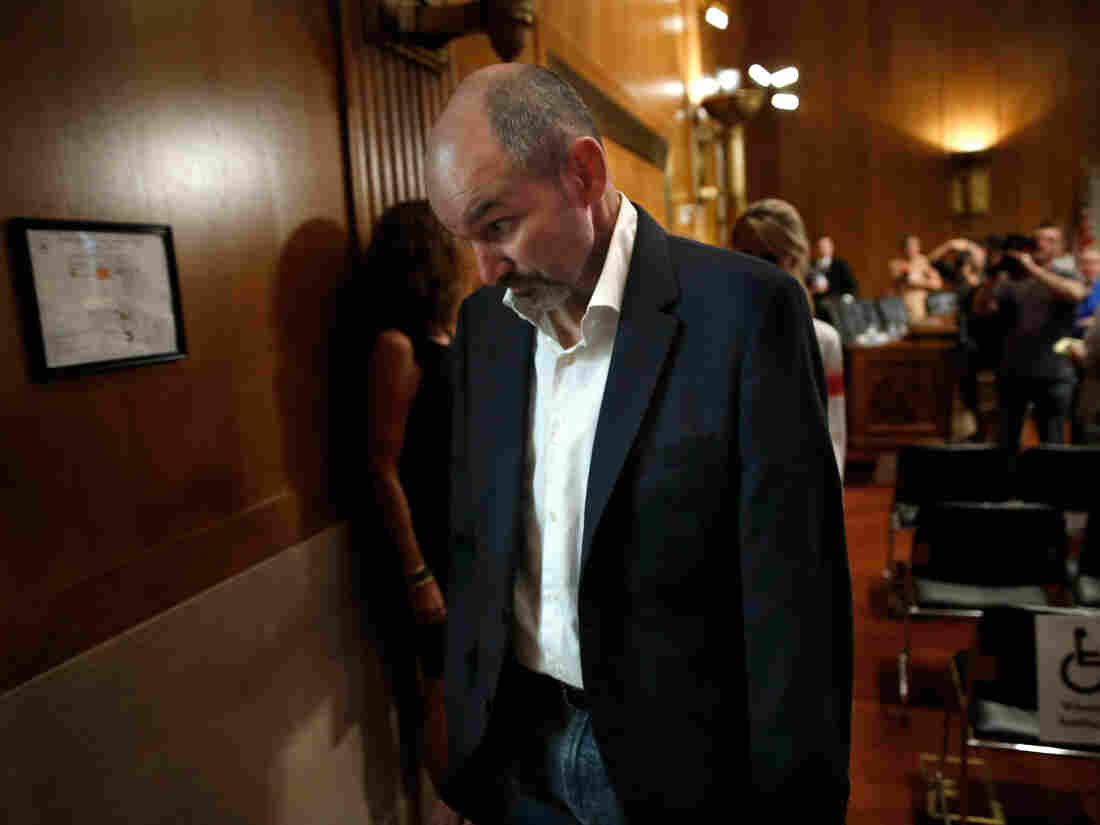
Former NFL fullback Kevin Turner leaves a hearing of the Senate Special Committee on Aging in 2014. He died earlier this year from severe chronic traumatic encephalopathy. Win McNamee/Getty Images hide caption

toggle caption

Win McNamee/Getty Images

But that diagnosis was incorrect, according to researchers at Boston University. In November, the Boston Globe reported that “Turner spent his excruciating final years stricken with a severe case of football-related chronic traumatic encephalopathy, or CTE, which caused a motor neuron disease similar to ALS.”

CTE can be diagnosed only through a brain autopsy after a person has died.

In recent seasons, the NFL has changed some rules that it hoped would reduce the number and severity of helmet-to-helmet collisions, but as we reported, an NFL report released in January found the number of concussions last year was 32 percent higher than in the previous year.

Let’s block ads! (Why?)


No Image

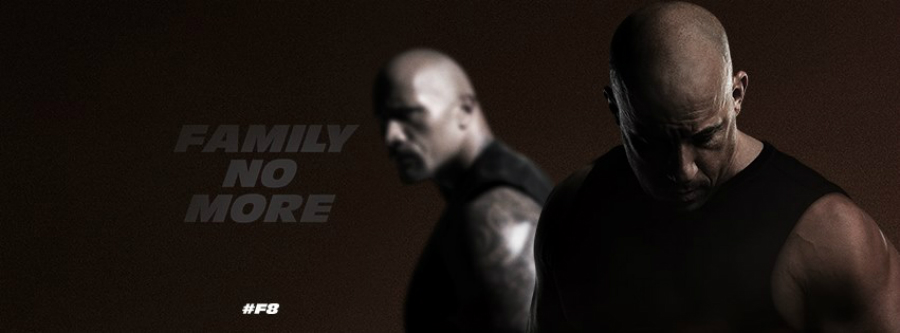
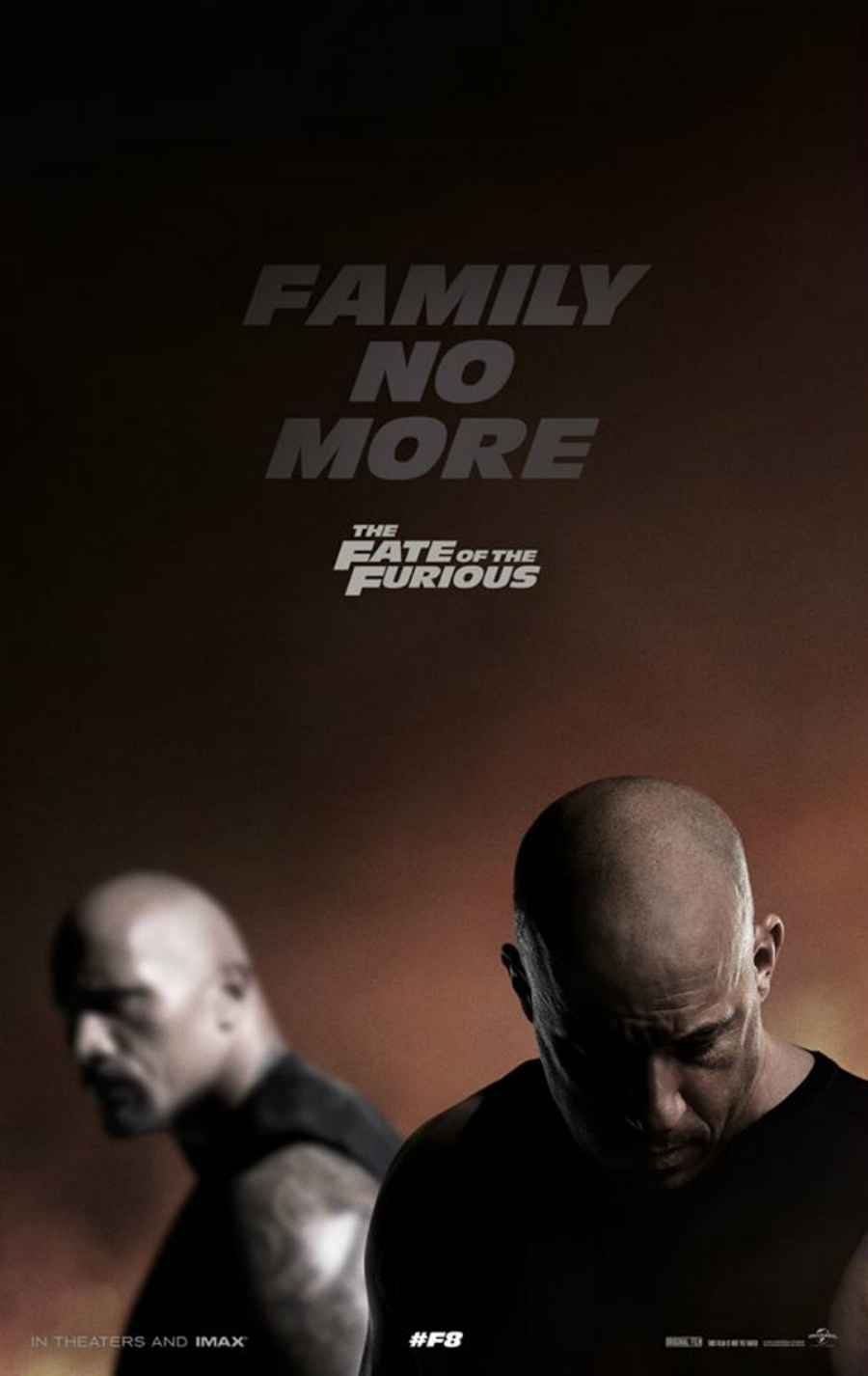
First 'The Fate of the Furious' Trailer Tears the Family Apart!

The Fate of the Furious

Dare we say that the Fast and Furious franchise has become the most beloved film series in modern times? The series began as an exciting action thriller some 15 years ago, taking its cues from reality, namely, Ken Li’s magazine profile of a driver named Rafael Estevez.

Over the course of its first seven installments, the franchise steadily drew upon more fantastical elements, all while developing a core cast of loyal and lovable characters who were resolutely human and relatable. Grounding the movies in a measure of reality has been key to the success of the series and that was never more apparent than in Furious 7, which survived the tragic loss of Paul Walker during production to deliver a rip-roaring, dramatic thriller.

How does the series move on from the loss of Walker? The first, full teaser for The Fate of the Furious suggests what will come. Vin Diesel, Dwayne Johnson and the other stars gathered in Times Square to debut the trailer. Diesel reminded everyone that the magazine article that sparked the series was set in New York City and he felt it was important to bring the series back to where it began.

Watch the trailer below.

[embedded content]

Beyond New York City, Johnson talked about the cast and crew’s pride in being the first Hollywood production to film in Cuba. The action begins with the crew racing to escape from a wrecking ball, but very soon we see Dominic (Diesel) apparently betraying Hobbs (Johnson), leaving him in prison, to face off with the villainous Deckard Shaw (Jason Statham).

But, wait! There’s much, much more, like new villain Charlize Theron, old friend Kurt Russell and a submarine in Iceland. The Fate of the Furious will roar into theaters on April 14, 2017.

The Fate of the Furious

Let’s block ads! (Why?)


No Image

Outlining Trump's Potential Conflicts Of Interest

On Dec. 15, Donald Trump is expected to make an announcement regarding his business interests. The wide range of his dealings leaves him open to potential conflicts of interest.

MICHEL MARTIN, HOST:

And now it’s time for our regular segment Words You’ll Hear. That’s where we take a word or phrase that will be in the news next week and talk about what it means and why it matters. And this week, our phrase is conflict of interest. We’re already hearing it during the transition to the Trump administration, and that’s because of the president-elect’s wide-ranging business interests. Donald Trump touched on the issue in an interview on Fox News this morning.

(SOUNDBITE OF ARCHIVED RECORDING)

DONALD TRUMP: They’re not making deals, and they’re going to run my company. I have a lot of property and great stuff. They’re going to run it. They’re going to run it. Hopefully they’re going to run it properly. I’m sure they’re going to run it properly. But I’m not going to do deals. And I think, you know, I think that’s going to be good.

MARTIN: This Thursday, President-elect Trump is expected to make an announcement about what he plans to do with his businesses. To find out more about the possible conflicts of interest at issue here, we reached NPR business editor Marilyn Geewax. She is heading up a new NPR initiative looking into Trump’s business interests and areas of possible conflict.

MARILYN GEEWAX, BYLINE: Well, first of all, let me just say that the Trump Organization is a tough one to follow because it’s very private. It’s family-owned, and they have stakes in hundreds of companies spread over at least 20 countries. So it’s a very strange structure, and it’s been in the Trump family since the 1920s. They’ve never gone public, so there aren’t a lot of public records.

And Mr. Trump himself has refused to release his tax records, so the most you can do is take educated guesses and look at the scant filings that he has put out there. Experts say that he’s probably worth between $3-and-a-half billion and $4 billion. So to understand where that wealth comes from – if you look at his businesses, you can make it a little bit simpler by putting it into three big groupings.

There are three things he fundamentally does. One is licensing. That’s where he puts his name on lots of different things. That could be anything from a mattress to neckties – just all sorts of things. The second thing is a collection of golf courses and resorts. And there are big names in there like Doral golf course down in south Florida.

And the third thing is, he has a big cluster of sort of real estate and retail. Like, if you think about the Trump Tower, it has stores in it. It has restaurants. It has offices. So there’s that third grouping. And again, that’s just licensing, golf courses, real estate.

MARTIN: What’s the controlling authority here? Is there – is this a matter of perception, or is this a law that he has to abide by?

GEEWAX: Well, it’s kind of tricky because all of those businesses that he has – there could be these conflicts of interest where his profits and his job as president might conflict. So who’s in charge of that? Well, there are conflict of interest laws, but as luck would have it, they apply to members of the Cabinet but oddly enough not to the president and the vice president. They were written so that they don’t apply to the president.

But there is something in the Constitution. It’s this weird name. It’s called the Emoluments Clause. That’s an old-timey word. It basically means to profit from holding an office. And the Founding Fathers didn’t want presidents taking bribes from foreign governments, so they put this clause in the Constitution.

But what’s a bribe? It’s kind of, well – if somebody’s doing business in your hotel in another country, is that a bribe, or is it just they’re staying at your hotel? It’s a very complicated situation.

MARTIN: So again, the question is, why does this matter? Trump voters knew what they were getting. I mean they voted for him. He campaigned on the idea that because he is a business person he would be less swayed by money in politics. So again, the question is, why is it important to keep tabs on these potential conflicts of interest now?

GEEWAX: Here’s the thing. The United States is a very rich country, and part of the reason that it’s very rich is because that it’s been very transparent. It’s sort of – when you do business in the United States, it’s pretty honest. Like, courts uphold contracts, and there are laws against bribery and that kind of thing.

And countries that have good reputations – Germany, the U.K., Canada, the United States – we are attractive to people around the world to invest here because they basically believe the system is honest and clean. Countries that have bad conflicts of interest, lots of corruption – nobody wants to do business there. It hurts all of their citizens. So we all have a stake in America having a good reputation.

MARTIN: So what are we expecting to happen this week?

GEEWAX: On Thursday, the president-elect says he will have a press conference where he’s going to talk about these conflicts of interest and how he plans to solve them. Most people are speculating that he’s going to announce that he’ll be turning over daily operations to his children, but most ethicists say (laughter) – the people who follow these things say that only total divestiture would really solve these problems.

MARTIN: That’s NPR’s Marilyn Geewax. Thanks, Marilyn.

GEEWAX: You’re welcome.

Copyright © 2016 NPR. All rights reserved. Visit our website terms of use and permissions pages at www.npr.org for further information.

NPR transcripts are created on a rush deadline by Verb8tm, Inc., an NPR contractor, and produced using a proprietary transcription process developed with NPR. This text may not be in its final form and may be updated or revised in the future. Accuracy and availability may vary. The authoritative record of NPR’s programming is the audio record.

Let’s block ads! (Why?)


No Image

Trump Attends Army-Navy Game As Black Knights Snap 14-Year Losing Streak

President-elect Donald Trump greets Army Cadets before the Army-Navy football game on Saturday in Baltimore. Patrick Semansky/AP hide caption

toggle caption

Patrick Semansky/AP

President-elect Donald Trump took in one of college football’s most storied rivalries on Saturday — the Army vs. Navy game.

The annual game between the military service academies was held this year in Baltimore. The soon-to-be commander-in-chief was cheered with chants of “USA! USA!” as he entered the stadium.

Trump talked with CBS Sports announcers Verne Lundquist and Gary Danielson during the third quarter of the game, joking that perhaps he should appoint Ludquist as ambassador to Sweden. Lundquist was calling his final football game for CBS on Saturday.

And while Trump said he was happy to be attending the game, he told CBS the traditional meeting between the rival military academies maybe wasn’t the most exciting football game.

Here’s the President-elect throwing shade at the quality of service academy football pic.twitter.com/lEjlLTN4W1

— Dan Wolken (@DanWolken) December 10, 2016

“I just love the armed forces, love the folks. The spirit is so incredible. I mean, I don’t know if it’s necessarily the best football, but it’s very good, “Trump said. “But boy do they have spirit, more than anybody. It’s beautiful.”

It did end up being an exciting game, with Army snapping their 14-year losing streak over Navy in a close 21-17 win. But Trump left before the game was over.

Article continues after sponsorship

Before he departed for New York, the president-elect split his time by sitting on both the Army and Navy sides, in boxes partially enclosed by bulletproof glass. On the Army side, he was a guest in the box of David Urban, a 1986 West Point graduate who advised Trump’s campaign in Pennsylvania. Also in the box were Gen. Mark A. Milley, chief of staff of the U.S. Army, and Lt. Gen. General Robert L. Caslen, Jr., the superintendent of the West Point academy.

On the Navy side, he was a guest of retired Marine Lt. Col. Oliver North, a graduate of the Annapolis academy and a former national security aide in the Reagan administration who was embroiled in the Iran-Contra affair. Also in the Navy box were Admiral John Richardson, chief of U.S. Navy Operations, and Gen. Robert Neller, Commandant of the U.S. Marine Corps.

Let’s block ads! (Why?)