Articles by admin

No Image

Economic Impact of Harvey Could Be Felt Nationwide Before It's Over

The damage to Houston’s economy from Harvey’s torrential rainfall will be by one estimate more than $30 billion, a staggering sum.

Joe Raedle/Getty Images

hide caption

toggle caption

Joe Raedle/Getty Images

Bill Gilmer remembers spending the night listening to the winds of Hurricane Ike tear through his suburban Houston neighborhood in September 2008. He also recalls waking up the next morning to hear something completely different.

“The first sound I heard was chainsaws, and I looked out and all my neighbors were out there clearing the streets, clearing their yards, cleaning up their yards,” says Gilmer, who directs the Institute for Regional Forecasting at the University of Houston’s C.T. Bauer College of Business.

Houston residents have survived big hurricanes before and know how to pitch in and help each other recover, Gilmer says. But the drenching rainfall that has followed Hurricane Harvey, flooding streets all over the country’s fifth-largest metropolitan area, is out of scale with anything the city has seen before, he says.

Chuck Watson, who studies the economic impact of natural disasters for Enki Holdings, says the cost to the economy from the flooding is likely to be $30 billion. That’s because of the rain.

“If Harvey were just a hurricane, it would have only caused $4 or $5 billion worth of damage. As a tropical storm phase, it’s actually producing five times that much damage,” Watson says.

About a third of Houston’s economy is directly tied to the oil and gas industry. But the region is also home to non-energy companies, both small manufacturers and large corporations such as KBR, Waste Management and the food service giant Sysco.

Many of those companies have shut down in Harvey’s wake, as have several hospitals, both major airports and the Port Of Houston.

“You’ve got the fifth-largest economy in the United States basically sitting at a dead stop for three or four days,” Gilmer says.

Gilmer says the economy will be able to make up for lost time once the flood waters recede, but the physical damage to the city will be much harder to recover from.

“In Houston you’re going to have street signs, traffic lights, traffic signals, road damage, culverts, a tremendous amount of public infrastructure damage, and of course, there’s no insurance. That just comes right out of the taxpayers,” Watson says.

It’s not clear yet how many homes have been destroyed yet, but right now Watson estimates the cost of repairing residential properties will be about $12 billion.

Most of that damage won’t be covered by insurance, because homeowners’ policies typically don’t cover flooding. While coverage is available through a federal program, most people never bother to get it, says Loretta Worters, spokesperson for the Insurance Information Institute.

Watson also worries about something else.

Some of Houston’s oil refineries are closed right now for a simple logistical reason: Streets are flooded and their employees can’t get to them.

Loading…

The refineries aren’t seriously damaged, however — at least so far.

But the continued rain could end up flooding some of them, and if that happens there aren’t enough companies with the kind of specialized knowledge to repair them.

“Then you’re talking about gasoline shortages and longer term price hikes, and that’s going to have a ripple effect through the whole economy,” Watson says.

Investors are thinking about that too. At one point Monday, gasoline futures were up as much as five percent.

Let’s block ads! (Why?)


No Image

Serious Nursing Home Abuse Often Not Reported To Police, Federal Investigators Find

More than one-quarter of the 134 cases of severe abuse that were uncovered by government investigators were not reported to the police. The vast majority of the cases involved sexual assault.

Scott Olson/Getty Images

hide caption

toggle caption

Scott Olson/Getty Images

More than one-quarter of serious cases of nursing home abuse are not reported to the police, according to an alert released Monday morning by the Office of Inspector General in the Department of Health and Human Services.

The cases went unreported despite the fact that state and federal law require that serious cases of abuse in nursing homes be turned over to the police.

Government investigators are conducting an ongoing review into nursing home abuse and neglect but say they are releasing the alert now because they want immediate fixes.

These are cases of abuse severe enough to send someone to the emergency room. One example cited in the alert is a woman who was left deeply bruised after being sexually assaulted at her nursing home. Federal law says that incident should have been reported to the police within two hours. But the nursing home didn’t do that, says Curtis Roy, an assistant regional inspector general in the Department of Health and Human Services.

[embedded content]
YouTube

“They cleaned off the victim,” he says. “In doing so, they destroyed all of the evidence that law enforcement could have used as part of an investigation into this crime.”

The nursing home told the victim’s family about the assault the next day. It was the family that informed the police. But Roy says that even then, the nursing home tried to cover up the crime.

“They went so far as to contact the local police department to tell them that they did not need to come out to facility to conduct an investigation,” says Roy.

Looking at records from 2015 and 2016, Curtis Roy and his team of investigators found 134 cases of abuse of nursing home residents severe enough to require emergency treatment. The vast majority of the cases involved sexual assault.

“There’s never an excuse to allow somebody to suffer this kind of torment, really, ever,” says Roy.

The incidents of abuse were spread across 33 states. Illinois had the most at 17. Seventy-two percent of all the cases appear to have been reported to local law enforcement within two hours. But twenty-eight percent were not. Investigators from the Office of the Inspector General decided to report all 134 cases to the police. “We’re so concerned,” says Roy, “we’d rather over-report something than not have it reported at all.”

The alert from the Inspector General’s office says that the Centers for Medicare and Medicaid Services (CMS), which regulate nursing homes, need to do more to track these cases of abuse. The alert suggests that the agency should do what Curtis Roy’s investigators did: cross-reference Medicare claims from nursing home residents with their claims from the emergency room. Investigators were able to see if an individual on Medicare filed claims for both nursing home care and emergency room services. Investigators could then see if the emergency room diagnosis indicated the patient was a victim of a crime, such as physical or sexual assault.

The alert notes that federal law on this issue was strengthened in 2011. It requires someone who suspects abuse of a nursing home resident causing serious bodily injury, to report their suspicion to local law enforcement in two hours or less. If their suspicion of abuse does not involve serious bodily injury of the nursing home resident, they have 24 hours to report it. Failure to do so can result in fines of up to $300,000.

But CMS never got explicit authority from the Secretary of Health and Human Services to enforce the penalties. According to the Inspector General’s alert, CMS only began seeking that authority this year. CMS did not make anyone available for an interview.

Clearly, the 134 cases of severe abuse uncovered by the Inspector General’s office represent a tiny fraction of the nation’s 1.4 million nursing home residents. But Curtis Roy says the cases they found are likely just a small fraction of the ones that exist, since they were only able to identify victims of abuse who were taken to an emergency room. “It’s the worst of the worst,” he says. “I don’t believe that anyone thinks this is acceptable.

“We’ve got to do a better job,” says Roy, of “getting [abuse] out of our health care system.”

One thing investigators don’t yet know is whether the nursing homes where abuses took place were ever fined or punished in any way. That will be part of the Inspector General’s full report which is expected in about a year.

Let’s block ads! (Why?)


No Image

Uber Picks New CEO, Expedia's Dara Khosrowshahi

Dara Khosrowshahi, chief executive officer of Expedia, has been chosen to lead Uber, as it seeks to overcome a string of recent scandals.

Drew Angerer/Getty Images

hide caption

toggle caption

Drew Angerer/Getty Images

Uber has appointed Expedia CEO Dara Khosrowshahi to be its new chief executive, a source familiar to the ride-sharing company tells NPR.

Khosrowshahi has been at the travel company Expedia for more than a decade, reports NPR’s Aarti Shahani. He steps into the role at a tumultuous time, as Uber seeks to fill a leadership vacuum. Co-founder Travis Kalanick resigned under pressure in June, though he remains on the company’s board.

Khosrowshahi emerged as a top candidate among two other contenders: Former General Electric CEO Jeffrey Immelt and Hewlett Packard Enterprise CEO Meg Whitman.

Immelt withdrew earlier Sunday, he said on Twitter. The New York Times reports, “it became clear that he did not enough have support, said two people familiar with the process.”

The Times adds, “the board had been leaning toward” Whitman, the other remaining candidate, their sources said. “But matters changed over the course of Sunday afternoon and the board decided on Mr. Khosrowshahi.”

After several media outlets reported the CEO pick on Sunday night, Recode cited sources close to the other remaining candidate, who said Whitman “has not been informed of any choice nor had the board agreed to some the the things she was asking for to take the job.”

“Whitman was asking for a number of things, including less involvement of ousted CEO Travis Kalanick and more control over the board,” adds Recode.

Let’s block ads! (Why?)


No Image

Houston Community Center Turns Into Makeshift Shelter For Harvey Evacuees

As the flooding in Houston, Texas, worsens many people have escaped to shelters around the greater Houston area. NPR’s Michel Martin speaks with Luis Villanueva, the lieutenant commanding officer at the Salvation Army in Pasadena, in addition to evacuee Kent Davis.

MICHEL MARTIN, HOST:

And now we’re going to hear from a community center that’s been turned into a shelter in Pasadena, Texas. That’s a city just outside of Houston. People started arriving there earlier this morning. On the line with us now is Lieutenant Luis Villanueva. He is the commanding officer at the Salvation Army there in Pasadena, and he’s coordinating things at the shelter. Lieutenant Villanueva, thank you so much for speaking with us.

LUIS VILLANUEVA: Thank you for allowing us to share what is going on here in Pasadena.

MARTIN: Well, tell me a little bit about where you are.

VILLANUEVA: Right now, we’re located in Pasadena, Texas. We are about 20, 30 minutes located from Houston. And here in the city of Pasadena was really severe damage last night about midnight. So we started to have a few calls from the city. And they asked us to see if we can open our gymnasium at the shelter. So we said, yes. Sure, we can do that. And since then, people have been coming, you know, little by little. By right now, we have about 65 people. And we have a capacity of a hundred right now in our gym.

MARTIN: So what did you have there to offer people when they got there? Do you have any cots or blankets or water or food, anything like that?

VILLANUEVA: Yeah. So in this command, we had about a hundred blankets already in storage. And we have about 40 beds that were distributed mainly for children, women and seniors. And also, we also have a food pantry. We took some of the food pantry to feed also to the people that is here with us.

MARTIN: So what were some of the conditions that brought people there?

VILLANUEVA: Most of the people that is here is because their houses are flooded. But most of the people, they were trapped in their houses. So not even the trucks of the city, they weren’t able to get into the houses. They weren’t because the water was so high.

MARTIN: So can I talk to one of the families there? I think Mr. Johnson there – Elliott Johnson (ph) is there with you.

VILLANUEVA: Yes, ma’am. Yes. He’s right here.

ELLIOTT JOHNSON: Yes, hello?

MARTIN: Hey, Mr. Johnson. It’s Michel Martin from NPR. How are you?

JOHNSON: Oh, I’m fine. Thank you.

MARTIN: Do you mind telling me what was going on with you, like, what happened?

JOHNSON: Well, about 1 o’clock in the morning, my daughter came up and woke me up and said there was water in the house. And so when I got up and I stepped out of the bed, it was like water up to my ankles. And I was like, oh, my God, what are we going to do? We’ve got to do something. So when I opened the front door, a bunch of water crashed – more water crashed into the house because it was like, I couldn’t even see the mailboxes. I thought that, well, we’ve got to get out of here. We’ve got to get up high. So me and my family, we moved up into the attic. We brought the little stairs down and sit up there. And we had our cellphones with us. And then we were just calling and calling.

Finally, I found the number for the city of Pasadena. And I was like, well, we have to get out of here. And they said, OK, we’re going to send somebody to you. But then when they tried to get the truck to come to us, the water was so high in the neighborhood that the trucks were dying out. They said, well, we can’t get to you. You’re going to have to try to come to us. And I said, oh, my God, it’s going to be kind of impossible because I have a 1-year-old daughter. I have two puppies. I don’t know. I don’t know how we’re going to do it. So they came in, like, little rafts and threw some of us on there. And we had to walk through the water to get to the lower level to get to the other truck.

MARTIN: It must have been scary.

JOHNSON: Yes, it was scary, it was. I was worried about getting out in the water because I didn’t know if the lights or the power was still on, but the water was coming up to the sockets. And I was like – I was kind of scared to step in the water. I’m afraid that if – they’re going to get electrocuted, you know, ’cause the water was that high.

MARTIN: Wow. Well, thanks so much for speaking with us. Our very best wishes to you and to your family.

JOHNSON: OK. Thank you.

MARTIN: Can I talk to Mr. Villanueva?

VILLANUEVA: Hello?

MARTIN: So, Lieutenant, how long can you shelter people there? I’m told it’s still raining. And they say it might be raining through Wednesday, which means you have to assume more people are probably going to find their way there. Well, how long can you take care of people?

VILLANUEVA: Well, we will be open as long as the city want us to be open. As long as we have the resources, we will be open and helping these people. But I’m pretty sure that they’re going to be really, really anxious to come back and probably going to leave before Wednesday or something like that. Yeah.

MARTIN: Yeah. OK. That’s Lieutenant Luis Villanueva. He is the commanding officer at the Salvation Army in Pasadena, Texas. And the Salvation Army’s community center there has been turned into an emergency shelter. And we’ve been speaking with him from there. Lieutenant Villanueva, thanks so much for speaking with us. And we hope we’ll talk again under better circumstances.

VILLANUEVA: Thank you so much for allowing us to share what’s going on here.

Copyright © 2017 NPR. All rights reserved. Visit our website terms of use and permissions pages at www.npr.org for further information.

NPR transcripts are created on a rush deadline by Verb8tm, Inc., an NPR contractor, and produced using a proprietary transcription process developed with NPR. This text may not be in its final form and may be updated or revised in the future. Accuracy and availability may vary. The authoritative record of NPR’s programming is the audio record.

Let’s block ads! (Why?)


No Image

Mayweather Vs. McGregor Recap

Boxer Floyd Mayweather defeated UFC champion Conor McGregor in a fight Saturday. Host A Martinez recaps the match with MMAjunkie columnist Ben Fowlkes.

A MARTINEZ, HOST:

It was a matchup some had characterized as bizarre, boxing champ Floyd Mayweather entering the ring on Saturday night with UFC fighter and first-time boxer Conor McGregor. In the 10th round, Mayweather had McGregor on the ropes, and the referee stopped the fight, delivering Mayweather a victory by technical knockout. Joining me now to discuss last night’s fight is Ben Fowlkes. He’s a columnist for mmajunkie.com. Ben, thanks so much for being here.

BEN FOWLKES: Hey. Thanks for having me.

MARTINEZ: All right, this match pitted one of the all-time boxing greats, Mayweather, against a mixed martial arts champion, McGregor. What did you expect going in? What did you actually see coming out?

FOWLKES: Well, I will admit I did not have huge high expectations for Conor McGregor’s boxing game just ’cause we did not even know if he had won prior to this. But he acquitted himself very well in the fight. You know, he arguably won at least the first three rounds – won the first round on all three judges’ scorecards – I think surprised a lot of people. I mean, Mayweather is not known as a very fast starter or a very aggressive starter in the beginning.

But still, to see Conor McGregor go out there, land some jabs against somebody like Floyd Mayweather and hang tough the way he did – I think that was a pleasant surprise for a lot of people who mainly bought it, I think, because it’s kind of a cultural curiosity, not because they expected a really great, competitive fight.

MARTINEZ: Yeah. But most people just thought that if McGregor had a chance at all, he would try and knock out Floyd early. But then he lasted – as you just mentioned, he lasted 10 whole rounds. Do you think this brings any legitimacy to MMA fighters in the eyes boxing fans?

FOWLKES: Well, boxing fans and MMA fans have kind of a tortured relationship as it is. MMA fans, I think, sometimes have a little bit of a little brother complex when it comes to boxing. And they have been criticized saying that, you know, the technique isn’t good or that MMA is barbaric. And I don’t know if it’s necessarily going to change people’s minds. I think a lot of people saw what they wanted to see with something like this.

But I do think – you know, you heard Mayweather after the fight that he was surprised at how good a boxer Conor McGregor was. I think it proved that just because, you know, you are in one sport doesn’t mean you can’t also go in there and do the other one. I mean – and I think if you had Mayweather trying to cross over in the other direction, it would be a lot less competitive.

So I do think you have to give Conor McGregor his props in that sense. At the same time, Floyd Mayweather fought a noncharacteristic fight for him, a little more aggressive going after – looking for the finish there. And that definitely did affect the kind of fight that you saw.

MARTINEZ: Now, Floyd Mayweather says that this was his last fight. I’ll believe it when I see it, Ben, because he is going to make about $300 million for this. So I could (laughter) – if that paycheck is down the road again, I wouldn’t be surprised if he tried to cash that again. But do you think it’s true, or what do you think with Floyd Mayweather? Is he done forever? I mean, he would finish with a 50-0 record if he ends it.

FOWLKES: Well, you always have to take anything a boxer says about his future…

MARTINEZ: (Laughter) Yeah.

FOWLKES: …Or any fighter says about his future in the ring with a grain of salt because, like you said, Mayweather is especially known as a guy who likes money and really likes spending money. So…

MARTINEZ: It’s his nickname, Money Mayweather, yeah.

FOWLKES: That’s right. And, you know, he may – if he sees another opportunity, you know, maybe to do a rematch of this fight or some other big fight, I think it would take something really colossal to get him to consider doing it again. And he did look a little bit slower. He started to look 40 years old, so I think that he’s probably aware of that.

But if there is a big paycheck in it, all those guys are going to consider it again, especially if you keep winning them all, then you don’t have as much reason to really consider retirement if you’re not in there taking bad beatings.

MARTINEZ: Now, Ben, by most accounts, it was a competitive fight. People seemed to enjoy the show. How do you see the future of the fight game going forward? Are we going to see more of these matchups?

FOWLKES: You know, that’s interesting. I think you need the personalities to sell the matchup. I think that even if you had a more competitive technical pairing between two guys, if you don’t have those big personalities…

MARTINEZ: Yeah.

FOWLKES: …It’s not going to work as well. But the fight game is kind of…

MARTINEZ: That’s Ben Fowlkes columnist for mmajunkie.com. Ben, thanks a lot.

Copyright © 2017 NPR. All rights reserved. Visit our website terms of use and permissions pages at www.npr.org for further information.

NPR transcripts are created on a rush deadline by Verb8tm, Inc., an NPR contractor, and produced using a proprietary transcription process developed with NPR. This text may not be in its final form and may be updated or revised in the future. Accuracy and availability may vary. The authoritative record of NPR’s programming is the audio record.

Let’s block ads! (Why?)


No Image

Mayweather And McGregor Set To Meet For Blockbuster Boxing Fight

Floyd Mayweather and Conor McGregor meet in the ring Saturday night. The two fighters may have near flawless fighting records, but they’re facing heat for provocative comments.

MICHEL MARTIN, HOST:

Let’s switch gears for a minute and talk about fight night. That is tonight. World champion Floyd Mayweather, undefeated in his professional career, is taking on UFC reigning lightweight fighter Conor McGregor. They square off tonight in a live pay-per-view special that has been hyped for months by fans and the fighters. And it’s also put off at least some would-be fans because of the pre-show antics. McGregor has been making statements against Mayweather that a lot of people consider racist, such as telling his opponent to dance for me, boy. And Mayweather has tossed anti-gay slurs back at McGregor, not to mention Mayweather’s whole history with domestic violence.

With all of that, maybe because of that, the fight is turning out to be the most lucrative in boxing history, with estimates of $300 to $500 million in revenue. But we have questions – well, one really – why? Why so much attention? Why so much money? So we called up Gautham Nagesh. He runs a boxing news website, Stiff Jab. And he’s been covering the sport for almost a decade now. Gautham, welcome. Thanks so much for joining us once again.

GAUTHAM NAGESH: Thanks for having me.

MARTIN: So why? Why all the hype? Why so much money? Is this even really a boxing match?

NAGESH: Well, in theory, it is a boxing match because it’s going to take place under boxing rules tonight. Even though Conor McGregor is mostly famous for being a mixed martial artist, he has agreed to become a boxer for one fight, at least, in order to get a chance at Floyd Mayweather, the sport’s biggest star. And UFC has sort of overtaken boxing in the public consciousness in many aspects. One aspect where it hasn’t is in the amount of money the fighters get paid. And so Conor McGregor is the biggest star in the UFC, but he only makes a fraction of the money that Floyd Mayweather makes, hence the appeal of coming over to boxing and fighting Floyd.

MARTIN: So let’s talk about the trash talk because, you know, trash talk is a part of a lot of sports. It’s certainly a part of boxing. I mean, Muhammad Ali was, you know, an artist at this. But the things these men seem to be saying has really turned off a lot of people, even a lot of sportswriters, I mean, the racial slurs, the homophobic slurs. What’s your take on this as a person who’s in the sport – follows it closely?

NAGESH: Well, I think certainly it’s been ugly at times. Conor McGregor’s comments, I think, in – perhaps at the New York press conference where he said he was black below his waist, I think that’s completely out of line. Some of the things that were said about female fans. And then, of course, Floyd has this very long, clear record of domestic violence. And so understandably, there are a lot of people who are put off by this behavior.

I think, just as a reporter, it’s fair to say that while a large portion of the public finds it reprehensible, the sorts of people who buy pay-per-view fights, I think, expect some degree of unsavory aspects to the people who fight, whether or not that’s true. In my experience, it isn’t. Boxers are generally some of the most decent people I’ve ever met. But boxing, as I’ve said before, is not necessarily the occupation that anyone, including boxers, would pick for their children. I mean, when you really step back – again, we are watching men who are paid to fight each other and risk death for the entertainment of the public.

MARTIN: Is there any sense within the boxing world that this degrades the sport? I mean, boxing is an Olympic sport. And is there any sense in which this degrades it? What do you think?

NAGESH: I think there are many people who feel that way. I think it’s fair to feel that way. Larry Merchant used to always say that nothing can destroy boxing and nothing can save it. Boxing has seen much worse things – fixed fights, tournaments broadcast on TV that turned out to be shambolic, you know, gambling rituals. This is hardly the worst thing that’s happened in boxing. With that said, if Conor McGregor were to somehow beat Floyd Mayweather tonight, that might be the worst possible thing that could happen for boxing because it would render the sport, in some ways, irrelevant.

MARTIN: That was Gautham Nagesh, founder of the boxing website Stiff Jab. We reached him in Detroit. Gautham, thanks so much for joining us.

NAGESH: Thanks for having me.

(SOUNDBITE OF LAMB OF GOD’S “ASHES OF THE WAKE”)

Copyright © 2017 NPR. All rights reserved. Visit our website terms of use and permissions pages at www.npr.org for further information.

NPR transcripts are created on a rush deadline by Verb8tm, Inc., an NPR contractor, and produced using a proprietary transcription process developed with NPR. This text may not be in its final form and may be updated or revised in the future. Accuracy and availability may vary. The authoritative record of NPR’s programming is the audio record.

Let’s block ads! (Why?)


No Image

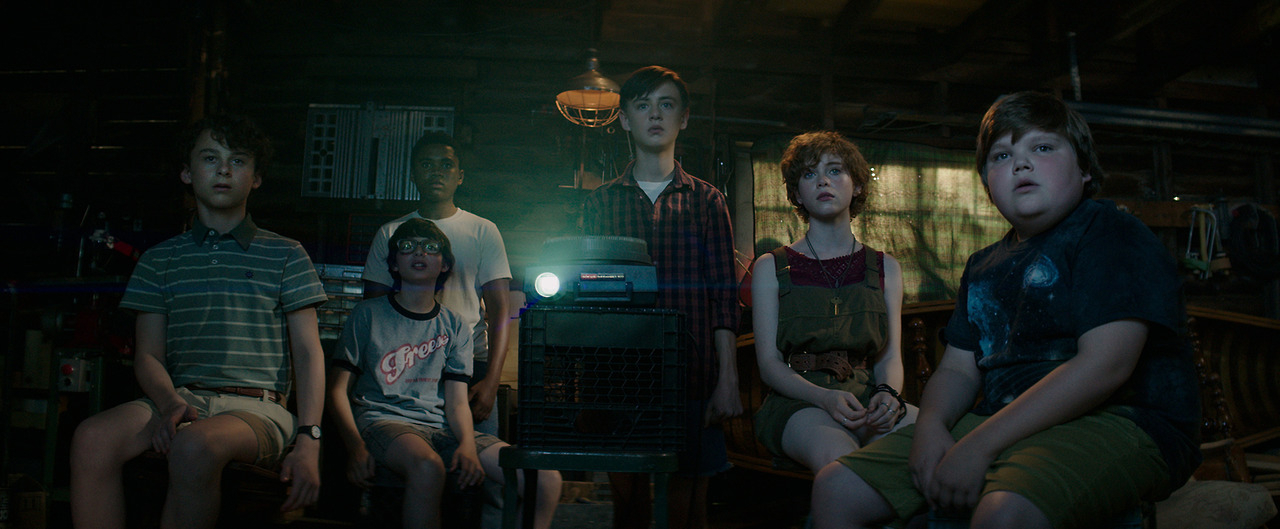
First 'It' Reactions: Could This Be One of the Best Stephen King Adaptations of All Time?

The social media embargo for Stephen King’s It lifted last night, releasing the first wave of critics’ reactions into the world. While nobody has reviewed the movie in full yet, we’ve got a consensus on the horror adaptation and it’s quite positive. Sounds like not just the scariest movie of the year but maybe a horror classic?

Could this be one of the most acclaimed King adaptations when the reviews do drop? Currently, the top title is the 1976 version of Carrie, which has a 93% on Rotten Tomatoes. That’s followed by non-horror movies Stand By Me (91%) and The Shawshank Redemption (91%) then 1983’s The Dead Zone (90%) and Misery (89%) rounding up the first five (see the rest of the rankings here).

Here are some of the praise for It via Twitter:

It is everything I hoped for and more. Has heart, laughs and TONS of incredible scares. Fell in love with the Losers. Didn’t want it to end.” – Perri Nemiroff, Collider

“Just saw It. Really well done. Cast were all great with some twisted visuals. Going to make a ton of money. Ready for the sequel tomorrow.” – Steven “Frosty” Weintraub, Collider

“Saw It. I loved it. Then took trash out in my empty, dark, stairwell…SH*T FREAKED ME OUT CAUSE THAT MOVIE SCARED ME LIKE FOR REAL.” – Mark E. Reilly, Collider

“I love It. It’s everything I wanted. Scary as sh*t, Skarsgard nails Pennywise, and the Losers are perfection.” – Haleigh Foutch, Collider

“Thrilled I can now say that It is spectacular. Totally terrifying, but also amazing fun (the Losers are PERFECT). Top 10 candidate for me.” – Eric Eisenberg, Cinema Blend

“LOVED It. Captured the spirit of the book & still created something new. Perfect combo of dark and fun. And the Losers Club was PERFECT!” – Rachel Heine, Nerdist

It was spooktacular. Great cast, surprisingly funny, and genuinely unnerving scares. You’ll still be freaked out when you get home.” – Dan Casey, Nerdist

“Just finished watching It. Wow! Incredible! Scared me sh*tless!” – Rama’s Screen

“I can finally talk about It. New adaptation is more fun, frightening and familiar than you think.” – Mara Reinstein, Mara Movies

“I liked it! Kids are great. BSkars is great. Also, surprisingly, it’s pretty dang funny.” – Rebecca Pahle, Film Journal

It was terrifying and hilarious and delightful, so we’re deciding to see how this thing goes.” – Terri Schwartz, IGN

“I can say I saw It tonight. And it was great. Cast is excellent. And, yes, [Pennywise] is scary! This will be a, ahem, monster at the box office.” – Jim Vejvoda, IGN

“Happy to say It is an effectively scary and faithful adaptation of (half) of Stephen King’s novel. Walked out very satisfied.” – Eric Walkuski, Arrow in the Head

“Saw It and it’s definitely the best horror movie of the year imo (yes, better than Get Out). Screening erupted into a standing ovation.” – Kurt Smejkal, Three Angry Nerds

It definitely captures frights of the novel whilst adding new fears. Major set pieces are bone-chilling — even summons a splash of tears.” – Courtney Howard, Fresh Fiction

It makes me nostalgic for when I used to get scared by things, because I don’t anymore. But man oh man, if you still do…” – Fred Topel, We Live Entertainment

It: a carnival funhouse of a film; loud, scary, funny. And best of all: it has heart.” – Chris Evangelista, CutPrintFilm

“Can’t post specifics yet but It is GOOD.” – Mike Rougeau, Game Spot

“Bill Skarsgard is putting in a performance that is going to turn him into the Freddy Krueger of a new generation. The amount of violence and horrific imagery in regards to children is SHOCKING. They didn’t hold back. It’s great.” – Drew Dietch, Fandom

Looks like we should at least have a score in the 90s here, folks! Watch the trailer once again below and see the movie when it opens on September 8.

[embedded content]

Let’s block ads! (Why?)


No Image

What's Making These Dogs In Mumbai Turn Blue?

One of the stray dogs that turned blue hangs out on a street in the Taloja industrial zone in Mumbai.

AFP/Getty Images

hide caption

toggle caption

AFP/Getty Images

Five dogs turned blue in Mumbai.

That was a story that journalist Deepak Gharat broke this past week. He was following up on a story in the industrial zone of Taloja, home to about 1,000 pharmaceutical and chemical factories. Every week, there’s something going wrong over there, he says. Industrial waste catches fire. Dead fish float up to the surface of the local river en masse.

Last week, he noticed a canine of unusual hue snoozing under a truck. Unable to believe his eyes, he took pictures and mailed them to his newsroom.

[embedded content]
YouTube

Puddles for the pooches

Some people, like local animal rights activist Arati Chauhan, suggested the dogs turned blue because of waste in the local Kasardi River, where the dogs were thought to have gone wading.

That theory appeared in many media outlets but does not appear to be true. The dogs hang out at a pigment and detergent factory about 2 miles away from the river, and they’re too territorial to venture that far, says Gharat.

“The dogs go looking for food in the dye factory compound,” Gharat found.

Locals have seen the dogs crawling on their bellies under the factory’s gate to loll in the ubiquitous puddles of cool, blue water in the grounds.

So they’re definitely not swimming in the river and instead are picking it up from the dye in the stagnant water on the factory grounds, Gharat observed.

Gharat confirmed with a local vet that the dye on their fur had dried to leave behind a powdery, blue residue.

While the dye isn’t permanent, it’s toxic to the dogs, who lick their fur to groom themselves and end up ingesting the chemical.

The dogs are lucky it’s monsoon season, because the dye washes off after several rainy rinses. After activist Chauhan and her organization, the Navi Mumbai Animal Protection Cell, filed a complaint, the local chapter of the Society for the Prevention of Cruelty to Animals checked the dogs, including one with an eye infection. All the animals have been given a clean bill of health, and the dye has been scrubbed off. The factory has put up a temporary net under the gate to prevent dogs from getting back in.

Not fine for fish

So the problem with the dogs was apparently cosmetic. But the media attention pushed the state pollution control board to shut down the chemical factory, identified as Ducol Organics & Colours Pvt Ltd. The factory was releasing untreated chemicals into the river and toxic residual dye powder into the atmosphere, violating India’s Water Act from 1974 and the Air Act from 1981.

That’s not a problem for dogs, because they don’t appear to drink from the river. But it is a problem for fish.

Last year, local fishermen complained that their catch volumes had dropped by 90 percent. They had the water tested at the municipal environment laboratory. Measured against guidelines from the Central Pollution Control Board, a national regulatory body, the pollution in the Kasardi River was 13 times over the safe limit for fish to survive, and 40 times over the limit for human consumption.

At the source of the Kasardi River, 24 miles away, the water is used for agriculture, drinking and washing clothes, says Gharat. “But where the industrial zone starts in Mumbai, the water is totally chemical.”

Factories were set up in this area in the 1960s, he says, and more than 300 of them make chemicals.

‘Successfully polluted’

V.M. Balsaraf, a professor of applied chemistry at the Datta Meghe College of Engineering and a researcher of groundwater pollution in Mumbai, is surprised at the sudden brouhaha over the river pollution. “We have found heavy metals and chemicals in the area water. Most of the industries don’t have treatment for sewage,” he says. “All our water sources are successfully polluted, they’ve become gutters. Even birds and animals have nowhere to drink water.”

Chauhan, the activist, has asked the pollution board to plant more trees, clean up the river and stop the dumping of untreated waste in the area.

Shutting down the factory, though, is shortsighted, she says. It would be better to hold all the factories accountable rather than depriving some workers a livelihood, she suggests.

“People are saying just implement the law, get the pollution under control,” echoes Gharat, who says that fixing the treatment plant, monitoring waste discharge and punishing offenders would be a good place to start.

But he and the activists are afraid that official action will taper off once the memory of the blue dogs fades away.


Chhavi Sachdev is a journalist based in Mumbai. Contact her @chhavi

Let’s block ads! (Why?)


No Image

The Week in Movie News: Here's What You Need to Know

Need a quick recap on the past week in movie news? Here are the highlights:

BIG NEWS

Multiple Joker movies announced: Martin Scorsese will produce a hard-boiled crime film tracking the origins of Batman villain The Joker, while another movie will reunite Jared Leto’s Joker and Margot Robbie as Harley Quinn for a “criminal love story.” Read more here and here. Also check out what critics are saying about the first idea here and see some dream casting here and here.

EXCITING NEWS

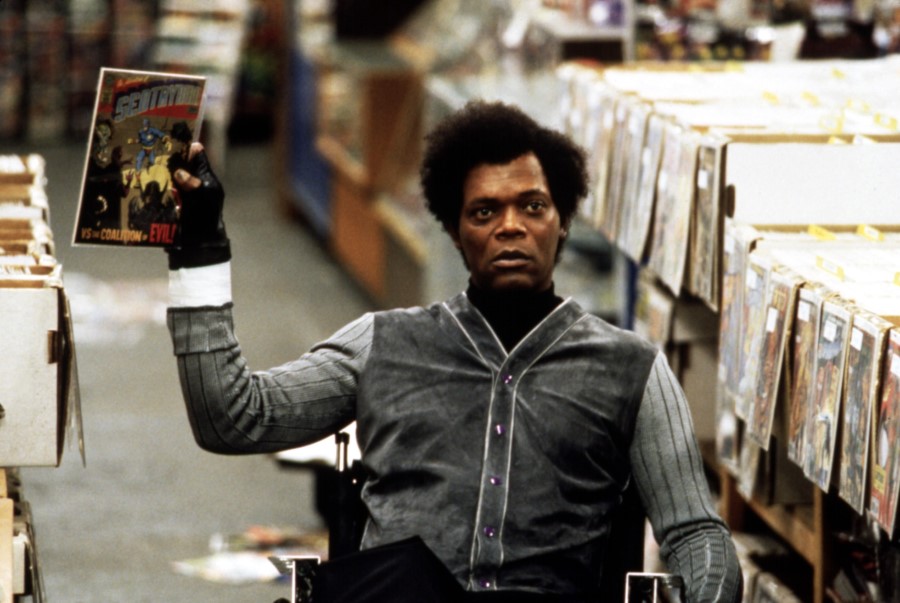
Details on the Unbreakable sequel: M. Night Shymalan’s next movie is Glass, a sequel to Unbreakable and Split. Bruce Willis, Samuel L. Jackson and James McAvoy will star; it has a more “epic” plot than its predecessors. This week we got a basic synopsis, which you can read here.

UNSURPRISING NEWS

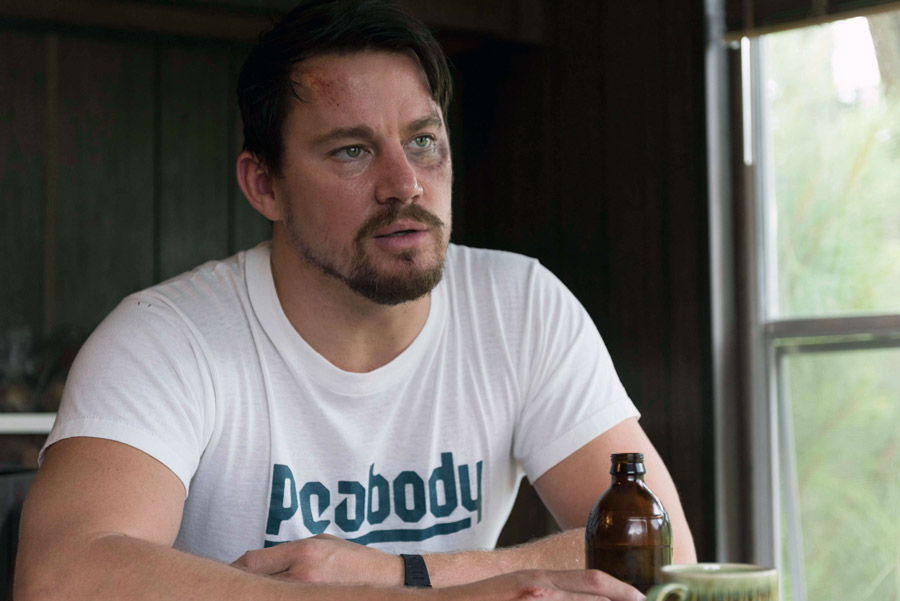
Channing Tatum is still Gambit: If you’re still hopeful about Channing Tatum starring in a Gambit movie, he’s got good news: it’s still going to happen. Of course, the X-Men spin-off is recalibrating now following the success of Deadpool and Logan. Read more here.

COOL CULTURE

Taking advantage of the eclipse: Filmmakers shot a short Western during Monday’s solar eclipse and broadcast it live online. You can watch the result here:

MUST-WATCH TRAILERS

Last Flag Flying looks funny and poignant: The first trailer for Richard Linklater’s Last Flag Flying, a sort of sequel to the classic 1973 drama The Last Detail, has arrived with strong chemistry between stars Steve Carell, Bryan Cranston and Laurence Fishburne. Watch it below.

[embedded content]

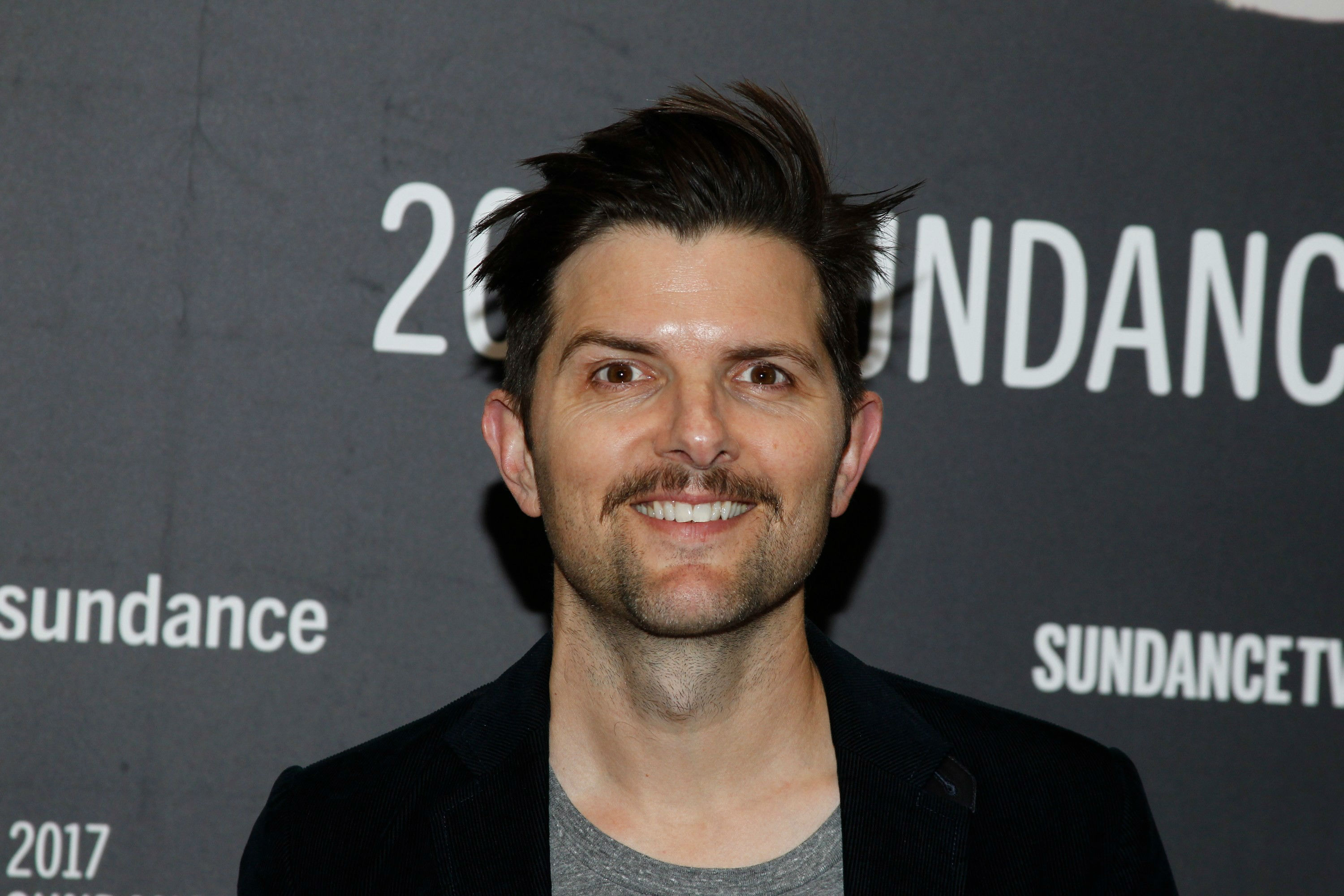
Little Evil spoofs a horror trope: Adam Scott is Satan’s new stepfather in Little Evil, a comedic take on movies like The Omen. Check out its first trailer here:

[embedded content]

Suburbicon is full of wonder and excitement: George Clooney’s Coen Brothers-scripted comedy has a new international trailer with more ridiculous moments from Matt Damon, Julianne Moore and Oscar Isaac. Watch it here:

[embedded content]

and

Let’s block ads! (Why?)


No Image

Four Steps That Could Cut Health Insurance Premiums And Boost Enrollment

The Senate health committee meets next month to discuss ways to stabilize the insurance markets. Insurers have until Sept. 27 to commit to selling policies on the ACA marketplaces in 2018.

Andrew Harnik/AP

hide caption

toggle caption

Andrew Harnik/AP

Congress and the Trump administration could boost insurance coverage by a couple of million people and lower premiums by taking a few actions to stabilize the Affordable Care Act insurance markets, according to a new analysis by the consulting firm Oliver Wyman.

The paper, which lays out a simple blueprint for making insurance more affordable for more people while working within the current health law’s structure, comes just days before the Senate Health, Education, Labor and Pensions Committee begins hearings on ways to stabilize markets in the short term.

“Together, these approaches could increase enrollment by roughly two million individuals, reduce average premiums by more than 20 percent and be roughly revenue neutral,” the analysis by Kurt Giesa and Peter Kaczmarek says.

The analysis concludes that under current law, about 17 million people will buy insurance in the individual market next year, many of them outside the ACA marketplaces. If the four actions outlined in the paper are implemented, about 19 million people would buy individual insurance, the study finds.

At the same time, the average monthly premium would fall from $486 to $384.

Some of the actions, including extending the Affordable Care Act’s cost-sharing subsidies, are already on the table for next month’s committee hearings.

These are the four steps that Oliver Wyman recommends to stabilize Obamacare.

1. Fund the cost-sharing reduction payments for the long term

These are payments the government makes to insurance companies as reimbursement for discounts on copayments and deductibles the companies are required by law to give to low-income customers. President Trump has said he wants to end the payments — which a court has ruled are unlawful since Congress never authorized them. But now lawmakers, including Republican Sen. Lamar Alexander of Tennessee, chairman of the health committee, say they want Congress to fund the payments through next year.

“State insurance commissioners have warned that abrupt cancellation of cost-sharing subsidies would cause premiums, copays and deductibles to increase and more insurance companies to leave the markets in 2018,” Alexander said in a statement on Aug. 16. “Congress now should pass balanced, bipartisan, limited legislation in September that will fund cost-sharing payments for 2018.”

2. Create a reinsurance program

The ACA included a temporary reinsurance program that protected insurance companies from huge losses while they transitioned to the new market under the new law.

Senate Republicans included a reinsurance program in the Better Care Reconciliation Act, the health care overhaul that failed earlier this summer.

Govs. John Hickenlooper of Colorado and John Kasich of Ohio are publicly advocating such a program.

“Top of our list would be this notion of having some sort of reinsurance to make sure the high-cost pool is not causing higher rates for all,” Hickenlooper said in an interview with Colorado Public Radio.

3. Strongly enforce the individual mandate

President Trump has suggested he doesn’t want the Internal Revenue Service to enforce Obamacare’s requirement that every person have insurance. Today, individuals who can’t prove they have coverage must pay a fine of $695 or more. Oliver Wyman’s analysis shows that if the mandate isn’t enforced, many young healthy people would drop their coverage.

“As younger and healthier people opt out of the market, the cost of coverage would increase, and market-average premiums would increase in parallel,” the study said.

4. Get rid of the health insurance tax

Obamacare includes a tax on health insurance companies to help offset the costs of federal subsidies that help people buy policies on the ACA markets. It was in place from 2014 through 2016, but then Congress passed a moratorium on the levy for this year. Insurance companies are lobbying hard to ensure it doesn’t return next year. Oliver Wyman’s analysis shows that continuing that moratorium would cut premiums by about 3 percent next year.

Insurance companies have until Sept. 27 to commit to selling policies on the ACA marketplaces in 2018. Alexander says he wants some legislation to pass before then to help stabilize the markets and cut premiums.

Let’s block ads! (Why?)