
Alabama Clinches NCAA Championship 26-23 In Overtime Against Georgia

Alabama’s Tua Tagovailoa holds up the championship trophy after overtime of the NCAA college football playoff championship game against Georgia, on Monday in Atlanta.
David J. Phillip/AP
hide caption
toggle caption
David J. Phillip/AP
Updated at 12:15 a.m. ET Tuesday
The Georgia Bulldogs got into the college football title game with an unexpected comeback for an overtime win against the Oklahoma Sooners. On Monday night, they had their championship hopes yanked away the same way.
In the fourth quarter, the Alabama Crimson Tide made up lost ground, bringing the score with Georgia’s Bulldogs to 20-20 with less than four minutes left in the College Football Playoff National Championship game in Atlanta.
Down to what might have been their last down, freshman quarterback Tua Tagovailoa flung the ball to the endzone on fourth down and found wide receiver Calvin Ridley. Georgia had been leading Alabama 20-7 in the the third quarter.
Alabama got the ball back, but kicker Andy Pappanastos pulled a 36-yard field goal wide, and the game went to overtime.
Georgia went first and managed a field goal of their own, and looked to be in good shape after a 16-yard sack of Tagovailoa on Alabama’s first play. But Tagovailoa found wide receiver DeVonta Smith streaking down the left sideline for a touchdown, and Alabama’s fifth national championship in nine seasons.
The Bulldogs had scored their second touchdown of the game on a 80-yard reception by receiver Mecole Hardman. Rodrigo Blankenship kicked the point-after.
After being held scoreless in the first half, Alabama got on the board with a 6-yard touchdown pass by freshman quarterback Tua Tagovailoa to Henry Riggs III.
Tagovailoa started the second half for Alabama after a lackluster performance by starting quarterback Jalen Hurts.
Late in the second quarter, Georgia scored a touchdown on a one-yard run by Mecole Hardman. That capped off a 69-yard drive.
Blankenship earlier had kicked two field goals of 41 and 27 yards.
Georgia’s freshman quarterback Jake Fromm has paced his team with a mix of medium-length passes which have set up the Bulldogs a potent running attack.
Georgia’s offense dominated the game early with twice as many offensive plays as Alabama which hadn’t managed to sustain a drive throughout the contest.
The game pitted Georgia’s potent running game against Alabama’s stout rushing defense.
Alabama is led by arguably the best college football coach in the game, Nick Saban, while Georgia is led by Kirby Smart, who spent nine years as a Saban assistant coach and was looking to best the master by bringing the Peach State its first title since 1980. No former assistant coach has ever beaten Saban.
President Trump, who once, as a football mogul, tried to break the National Football League’s hold on pro football and failed, was there for the first half.
The Atlanta chapter of the NAACP encouraged people to stage a “snowflake” protest by waving small white towels at any mention of Trump. But apparently that didn’t happen.
Chapter president Richard Rose told USA Today that his group would also protest on social media, but their planned action would be limited.
“Rose said the Atlanta chapter of the NAACP will not officially participate in any physical gathering before or during the game due to weather and security concerns,” reported the national daily.
It was likely that Trump would be on safe ground at a game between competitors of two deep-red states.
But as the New Yorker pointed out:
“While it’s true that Alabama and Georgia went for Trump in the 2016 presidential election, he’s not exactly beloved in either state. Clarke County, Georgia, home to the UGA, went for Hillary Clinton in 2016 by a nearly 40 percent margin. And Alabama recently dealt Trump a double whammy in the special election to fill the seat left vacant by his Attorney General Jeff Sessions. Republicans in the state first rejected Trump-endorsed Luther Strange in the GOP primary and then dealt a loss to Roy Moore in last month’s special election.”
And in case you’re wondering how popular Nick Saban is in Alabama, consider this: more than 400 voters cast their ballot during that recent special election for the 66-year-old coach as a write-in candidate. Not that Saban ever did anything to encourage that support. As Al.com reports, Saban said bluntly, “I don’t get involved in politics.”
FACT CHECK: Trump Touts Low Unemployment Rates For African-Americans, Hispanics

President Trump boards Air Force One at Andrews Air Force Base, Md., on Monday, to travel to Nashville, Tenn., to address the American Farm Bureau Federation. In the speech, he repeated a claim about the unemployment rate.
Andrew Harnik/AP
hide caption
toggle caption
Andrew Harnik/AP
The job market is strong right now, with a 4.1 percent unemployment rate, and President Trump knows it. On Monday, he twice bragged about the latest jobs report, but he focused in on minorities in particular.
In the morning, he did it on Twitter, citing that black unemployment is “the lowest ever recorded in our country.” And he jabbed: “Dems did nothing for you but get your vote!”
African American unemployment is the lowest ever recorded in our country. The Hispanic unemployment rate dropped a full point in the last year and is close to the lowest in recorded history. Dems did nothing for you but get your vote! #NeverForget@foxandfriends
— Donald J. Trump (@realDonaldTrump) January 8, 2018
And then at a speech to the American Farm Bureau Federation, he did it again, saying, “African-American unemployment is the lowest it’s ever been in the history of our records.”
This is the third time in as many days that the president has cited black unemployment figures. On Saturday, he also tweeted about the numbers.
Presidents often take credit for a strong economy, and Trump fits that mold, touting jobs and stock market numbers regularly. So we decided to fact-check Trump on this claim: Is he right, and are these numbers his doing?
The claim
Black and Hispanic unemployment are at or near record lows.
The short answer
Trump’s numbers are right, but it’s generally a stretch for presidents to take credit for job creation.
The long answer
Trump is right that African-American unemployment hit a record low in December. The unemployment rate for black Americans is currently 6.8 percent, the lowest level recorded since the government started keeping track in January 1972.
And he’s also right that the Hispanic unemployment rate is down a point over the last year — it was at 4.9 percent in December, down from 5.9 percent in December 2016. That is close to a record low, though it’s also up 0.1 point from November.
But still, fact check: true on Trump’s numbers.
However, that’s not all Trump is doing in this tweet. He is implying that he caused these low African-American and Hispanic unemployment rates.
And a big problem with that claim is that those rates had been falling for long before Trump took office, and their declines don’t appear to have picked up speed. This implies that there’s nothing specific that Trump did to change this rate.
Indeed, both of these rates have been falling relatively steadily since around 2010, early in President Obama’s tenure in the White House.
So have the unemployment rates for all races and ethnic groups tracked by the Labor Department. In general, these unemployment rates tend to move together. So while Trump called out the African-American and Hispanic unemployment rates, they haven’t changed in any remarkable way, relative to other groups’ unemployment rates.
Separately, the president’s Council of Economic Advisers touted the unemployment rate of other demographic groups on Friday, shortly after the latest jobs report was released.
“The overall unemployment rate, which by October had dropped to 4.1 percent, represented a 17-year low by year’s end,” they wrote. “The benefits of the low rates were felt broadly, resulting in unemployment rates for America’s veterans, African-Americans and Hispanics that reached historic lows in 2017.”
The total unemployment rate is quite low, at 4.1 percent. That’s not a record, but for comparison with that African-American rate, it is near its lowest point since 1972.
So Trump here is trying to make a political point — one that he has made before — seeming to tell minorities that they should support him more than they do. But then, the president has a decidedly uneasy relationship with black Americans, as NPR’s Brakkton Booker wrote on Saturday, and his rhetoric on immigration has also upset some Hispanics.
This leads to the bigger question of how much Trump has to do with any of this job growth, regardless of race or ethnicity.
By the jobs numbers themselves, it doesn’t look like he has changed much here. In fact, the average job creation in Trump’s first year is slightly lower than it has been in prior years. Employers added 171,000 new jobs each month, on average, in 2017. In 2016, that figure was 187,000, and in 2015, it was 226,000.

It is possible that the tax plan that Trump recently signed into law will inspire employers to hire more. Businesses could conceivably plow some of the money they save on their taxes thanks to that plan into job creation. In a late-November Yahoo poll of more than 1,200 business owners, half said the new tax plan would make them more likely to hire.
Then again, a majority of economists polled by the University of Chicago predict that long term, the tax plan won’t lead to higher economic growth.
It’s not that Trump has had zero effect on the economy. Though a strong global economy has been the main reason stocks are climbing ever higher, as NPR’s Jim Zarroli reported in December, the president’s agenda of deregulation and cutting corporate taxes has also likely very played some part in pushing stocks ever higher.
But the case that Trump has therefore significantly boosted job creation through the stock market isn’t particularly strong, says one economist.
“To the extent that that affects business decisions, it may be that the president is having some impact on employment,” said Michael Strain, director of economic studies at the American Enterprise Institute. “But it’s very important not to overstate that.”
There’s also a bigger problem with the idea that Trump has created all these jobs — presidents don’t have much immediate control over the economy, period.
It’s true that they push policies or make hires that can affect economic performance — George W. Bush first appointed former Federal Reserve Chairman Ben Bernanke, who helmed the central bank as it worked to pull the country out of recession; and President Barack Obama signed the 2009 stimulus. It’s also true that at the end of any given president’s tenure, we look at the job market under that president.
But there’s so much about the economy that presidents don’t control — business cycles and other countries’ economic health, for example. The White House also can’t control broader macroeconomic trends, like the U.S. economy’s long-term shift from goods-producing to service-based industries.
Indeed, a 2015 paper from Princeton economists Alan Blinder and Mark Watson found that while the economy has tended to grow faster under Democratic presidents, policy actions don’t appear to account for that difference.
“Democrats would probably like to attribute a large portion of the D-R growth gap to better fiscal (and perhaps monetary) policies, but the data do not support such a claim,” they wrote.
So could a president — with Congress’ help — target communities with particularly high unemployment? Yes, says one expert — particularly in one policy area Trump already has been championing.
“There needs to be a deliberate attempt to retrain and recruit people into the economy through infrastructure programs,” said Andre Perry, a fellow in the Metropolitan Policy Program at the Brookings Institution.
While the unemployment rate is relatively low — near what economists call “full employment” — it remains true that the black unemployment rate is always much higher than the national rate. He believes that targeted infrastructure policy could reduce that gap, helping disadvantaged Americans get back to work.
“Full employment means nothing to black folk in Baltimore or St. Louis or Pittsburgh,” Perry said. “For far too long, black unemployment has been the sacrificial lamb of full employment, and so again, if there is an infrastructure plan put on the table, it should be targeted at populations in areas that are largely out of work. [And] not only inner-city black America; it’s also rural white men who are being left behind by the economy.”
If that’s true, it seems likely to remain a hypothetical. Democrats and Republicans alike champion the idea of infrastructure, but partisan divides on how to do it remain so wide that passing an infrastructure package this year would most likely be a heavy lift.
Hospitals In States That Expanded Medicaid Less Likely To Close

Up to one half of rural residents are covered by Medicaid, says Michelle Mills, CEO of Colorado Rural Health Center. And they’re typically older, poorer and sicker than city dwellers.
John Daley/CPR
hide caption
toggle caption
John Daley/CPR
The expansion of Medicaid helps rural hospitals stay afloat in states like Colorado, which added 400,000 people to the health insurance program under the Affordable Care Act.
Hospitals in states that expanded Medicaid were about 6 times less likely to close than hospitals in non-expansion states, according to a study by researchers at the University of Colorado Anschutz Medical Campus.
The study was published Monday in the January edition of the journal Health Affairs.
Colorado was one of 32 states to expand Medicaid under the Affordable Care Act. That cut the state’s uninsured rate in half. The biggest group that got coverage was childless adults.
Richard Lindrooth, a professor at the Colorado School of Public Health and lead author of the study, says hospitals saw more people showing up to hospitals with that insurance — so Medicaid payments increased. That helped the hospitals’ bottom line.
“It’s not as though Medicaid is an extremely profitable form of reimbursement, but it is something,” says Lindrooth, a professor the University of Colorado’s School of Public Health. “On the margins, it certainly helps the hospitals’ cash flow.”
Lindrooth says he and his colleagues hypothesized that hospitals in expansion states stood a better chance of remaining financially viable. So they examined national hospital data and local market conditions.
They compared four years before the Affordable Care Act went into effect (2008-2012) with years right after the launch of the ACA (2015-2016). Lindrooth says the results were noteworthy, especially for rural hospitals, which often struggle to stay open.
“Rural hospitals tend to be in more of a financially tenuous position, even prior to the Medicaid expansions,” Lindrooth says. “We found that really about half of the closures that did occur in non-expansion states could have been averted through the expansion.”
With more insured people in expansion states, hospitals made more money and provided less free care. “So overall their margins improved,” he says. Rural hospitals in non-expansion states didn’t have that advantage.
Rural health leaders said the study confirmed what they’ve seen on the ground.
Jason Cleckler, CEO of Delta Memorial Hospital in Delta, Colo., in the rural western part of the state, said the Medicaid expansion helped his hospital’s finances. He compared the numbers in 2011 with 2016, after expansion. The hospital’s Medicaid population grew from 10 percent to 20 percent, and the hospital was left with less uncompensated care. It saved the hospital more than $3 million.

Jason Cleckler, CEO of Delta Memorial Hospital in Delta, Colo., says Medicaid expansion helped the hospital’s bottom line.
John Daley/CPR
hide caption
toggle caption
John Daley/CPR
“I think that really speaks to what the researchers found. So Medicaid doubled, our bad debt decreased significantly, and the uninsured rate decreased significantly,” Cleckler says. “It’s pretty remarkable, and I would venture to say that most hospitals, even ones with a lower percentage of Medicaid, have experienced a similar story.”
Cleckler did describe Medicaid coverage as a “mixed bag” for rural providers. Reimbursement rates can be paltry, he says. A hospital that pays $100 for a lab test may only be reimbursed $20. Another problem, he said, is many doctors and providers either won’t accept or limit the number of Medicaid patients due to low reimbursement rates.
An average of 30 percent to 50 percent of rural patients are covered by Medicaid, noted Michelle Mills, CEO of Colorado Rural Health Center, which offers rural health providers education and training. Mills says the population in rural areas is generally “older, sicker and poorer” than in urban communities.
She says the expansion plus a bump in Medicaid reimbursement rates “has helped rural Colorado hospitals from closing.” The jobs generated by those hospitals are key to rural economies, with health care one of the top three rural employers in Colorado.
“The importance of Medicaid expansion in our state cannot be understated,” says Cara Welch, director of communications with the Colorado Hospital Association.
Welch says other factors also provided a boost, including the state’s strong economy and its hospital provider fee. That fee helps reimburse hospitals for uncompensated care from the indigent population and those paying with Medicaid.
Brock Slabach, senior vice president of the National Rural Health Association, says the study correlates with data the group has reviewed. “If state legislatures and Congress want to cure the rural hospital closure problem, expanding Medicaid and not block-granting this important program would be the answer,” he says.
Members of the Republican majority in Congress have suggested changing Medicaid to a block grant. That means that instead of the federal and state governments sharing payment for every enrollee who qualifies, the federal government would provide each state a set amount of money, capping total Medicaid spending. It would let states decide how to spend the money. But health care and hospital advocates worry that the change would likely lead to cuts over time.
This story is part of a reporting partnership with NPR, Colorado Public Radio and Kaiser Health News.
'Lady Bird' and 'Three Billboards' Named Best Pictures at the Golden Globes
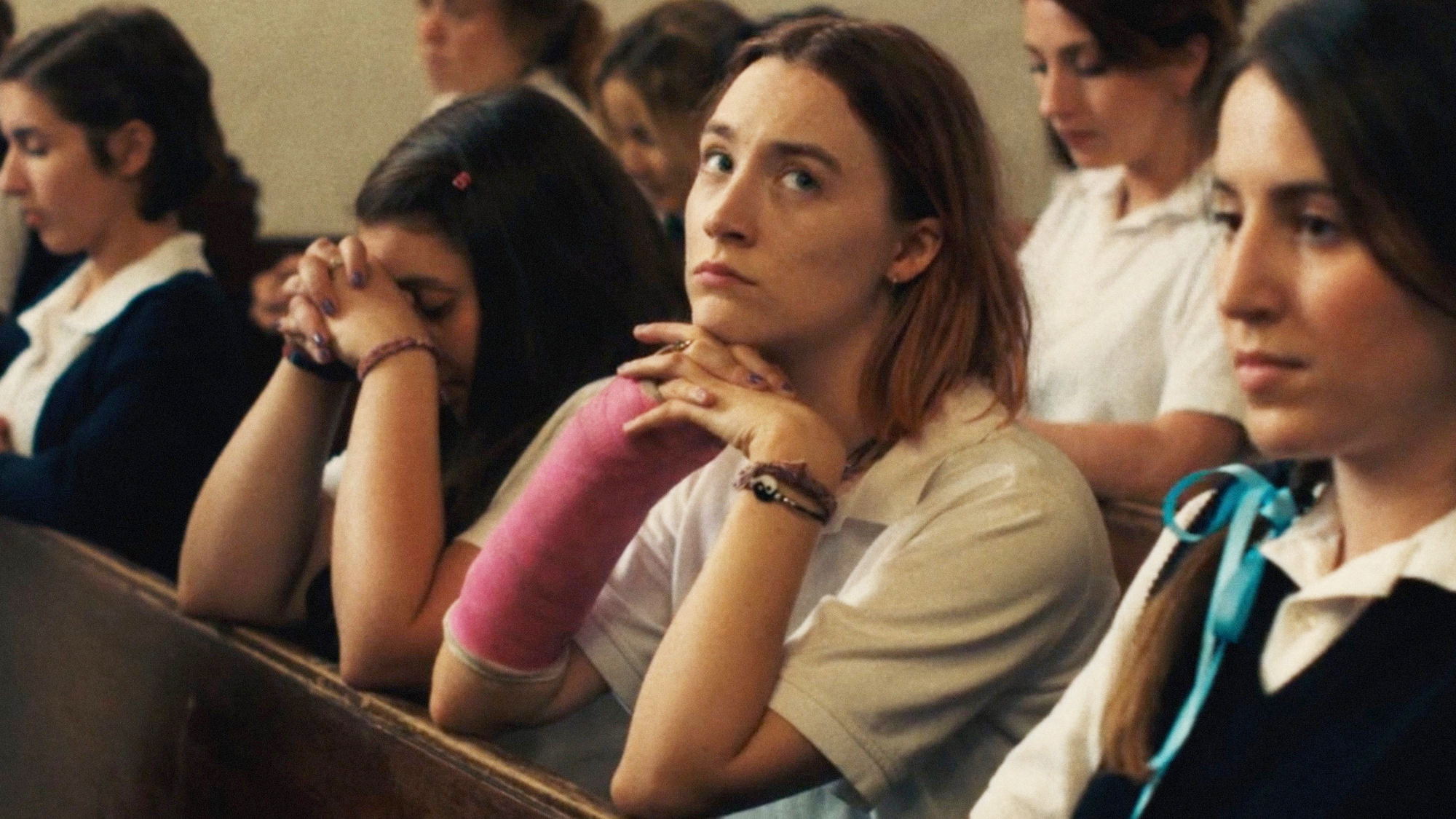
The two movies named Best Picture at the 75th Golden Globes are Greta Gerwig’s Lady Bird and Martin McDonagh’s Three Billboards Outside Ebbing, Missouri, the former in the musical/comedy category and the latter for drama.
As far as this awards show being watched for Academy Award predictions, it now seems it could be a heated competition between these ttitles, both of which are focused on women characters.
And as it turns out, the actresses playing those characters also won the Golden Globes for Best Actress — Saoirse Ronan for Lady Bird and Frances McDormand for Three Billboards. The Oscar could now be either of theirs for the taking.
Because of the split between drama and musical/comedy at the Golden Globes, it also now looks like the lead actor race is between Gary Oldman for Darkest Hour and James Franco for The Disaster Artist.
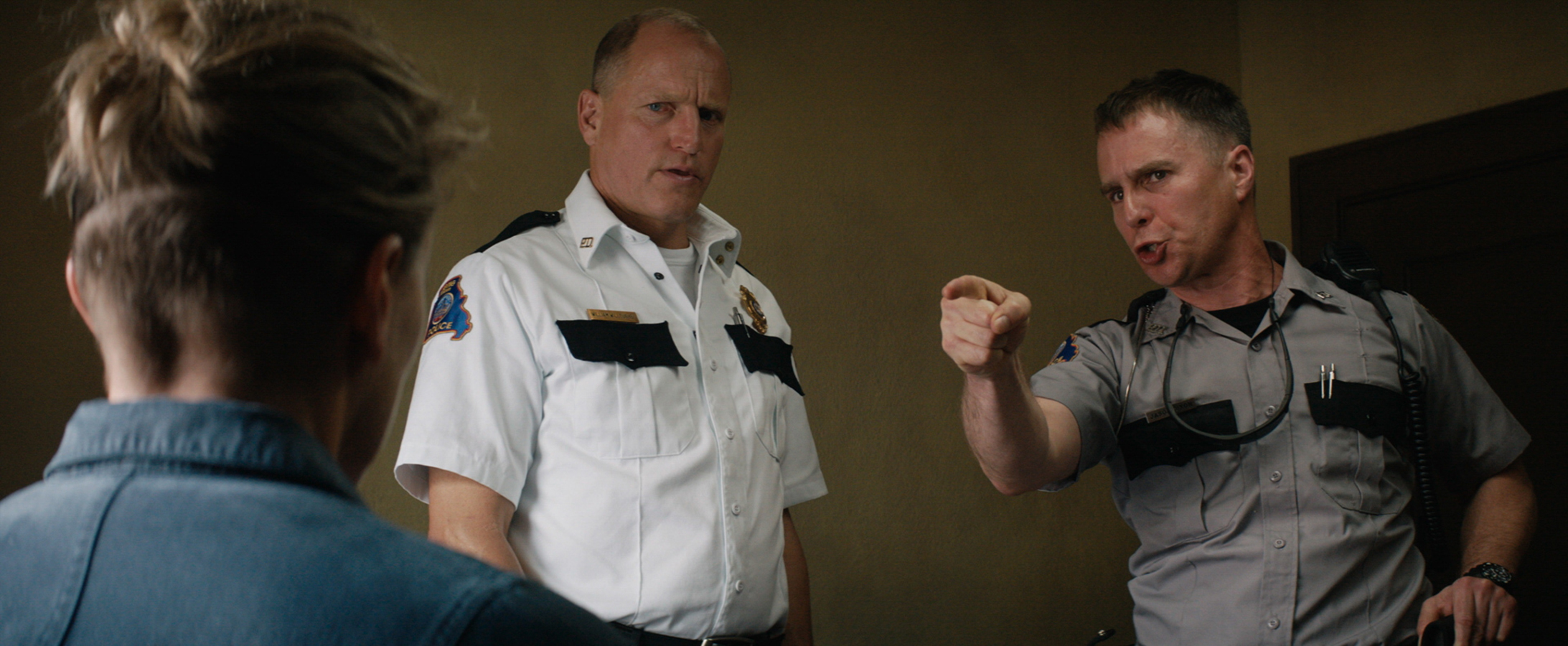
The divisive Three Billboards was a big winner in general, some of its awards being real surprises. Sam Rockwell won Best Supporting Actor for his performance over presumed frontrunner Willem Dafoe and McDonagh won Best Screenplay in a category considered fairly wide open.
Other winners weren’t sure things nor surprises, and these people and movies with a new extra step towards Academy favor include Allison Janney, who won Best Supporting Actress for I, Tonya, Pixar’s Coco, which won Best Animated Feature, and Guillermo del Toro, who won Best Director for helming The Shape of Water.
Find the full results of the Golden Globe Awards below (winners are in bold).
MOVIES
Best Motion Picture, Drama
Dunkirk
The Post
The Shape of Water
Call Me by Your Name
Three Billboards Outside Ebbing, Missouri
Best Motion Picture, Musical or Comedy
The Disaster Artist
Get Out
The Greatest Showman
I, Tonya
Lady Bird
Best Director
Guillermo del Toro, The Shape of Water
Martin McDonagh, Three Billboards Outside Ebbing, Missouri
Christopher Nolan, Dunkirk
Ridley Scott, All the Money in the World
Steven Spielberg, The Post
Best Actor, Motion Picture, Drama
Timothée Chalamet, Call Me by Your Name
Denzel Washington, Roman J. Israel Esq.
Tom Hanks, The Post
Daniel Day-Lewis, Phantom Thread
Gary Oldman, Darkest Hour
Best Actress, Motion Picture, Drama
Jessica Chastain, Molly’s Game
Sally Hawkins, The Shape of Water
Frances McDormand, Three Billboards Outside Ebbing, Missouri
Meryl Streep, The Post
Michelle Williams, All the Money in the World
Best Actor, Motion Picture, Comedy
Steve Carell, Battle of the Sexes
Ansel Elgort, Baby Driver
James Franco, The Disaster Artist
Hugh Jackman, The Greatest Showman
Daniel Kaluuya, Get Out
Best Actress, Motion Picture, Comedy
Judi Dench, Victoria & Abdul
Margot Robbie, I, Tonya
Saoirse Ronan, Lady Bird
Emma Stone, Battle of the Sexes
Helen Mirren, The Leisure Seeker
Best Supporting Actor, Motion Picture
Willem Dafoe, The Florida Project
Armie Hammer, Call Me by Your Name
Richard Jenkins, The Shape of Water
Sam Rockwell, Three Billboards Outside Ebbing, Missouri
Christopher Plummer, All the Money in the World
Best Supporting Actress, Motion Picture
Mary J. Blige, Mudbound
Hong Chau, Downsizing
Allison Janney, I, Tonya
Laurie Metcalf, Lady Bird
Octavia Spencer, The Shape of Water
Best Screenplay
The Shape of Water
Lady Bird
Three Billboards Outside Ebbing, Missouri
The Post
Molly’s game
Best Original Song
“Home,” Ferdinand
“Mighty River,” Mudboumd
“Remember Me,” Coco
“The Star,” The Star
“This Is Me,“ The Greatest Showman
Best Original Score
Carter Burwell, Three Billboards Outside Ebbing, Missouri
Alexander Desplat, The Shape of Water
Johnny Greenwood, Phantom Thread
John Williams, The Post
Hans Zimmer, Dunkirk
Best Animated Feature
Boss Baby
The Breadwinner
Coco
Ferdinand
Loving Vincent
Best Foreign Language Film
A Fantastic Woman
First They Killed My Father
In the Fade
Loveless
The Square

TELEVISION
Best Television Series, Drama
The Handmaid’s Tale
This Is Us
The Crown
Game of Thrones
Stranger Things 2
Best Television Series, Comedy
black-ish
The Marvelous Mrs. Maisel
Master of None
SMILF
Will & Grace
Best Limited Series or Television Movie
Big Little Lies
Feud: Bette and Joan
Fargo
Top of the Lake: China Girl
The Sinner
Best Actress, Limited Series or Television Movie
Nicole Kidman, Big Little Lies
Reese Witherspoon, Big Little Lies
Jessica Lange, Feud: Bette and Joan
Susan Sarandon, Feud: Bette and Joan
Jessica Biel, The Sinner
Best Actor, Limited Series or Television Movie
Robert De Niro, The Wizard of Lies
Kyle MacLachlan, Twin Peaks
Jude Law, The Young Pope
Ewan McGregor, Fargo
Geoffrey Rush, Genius
Best Actress, Television Series, Drama
Elisabeth Moss, The Handmaid’s Tale
Claire Foy, The Crown
Katherine Langford, 13 Reasons Why
Maggie Gyllenhaal, The Deuce
Caitriona Balfe, Outlander
Best Actor, Television Series, Drama
Freddie Highmore, The Good Doctor
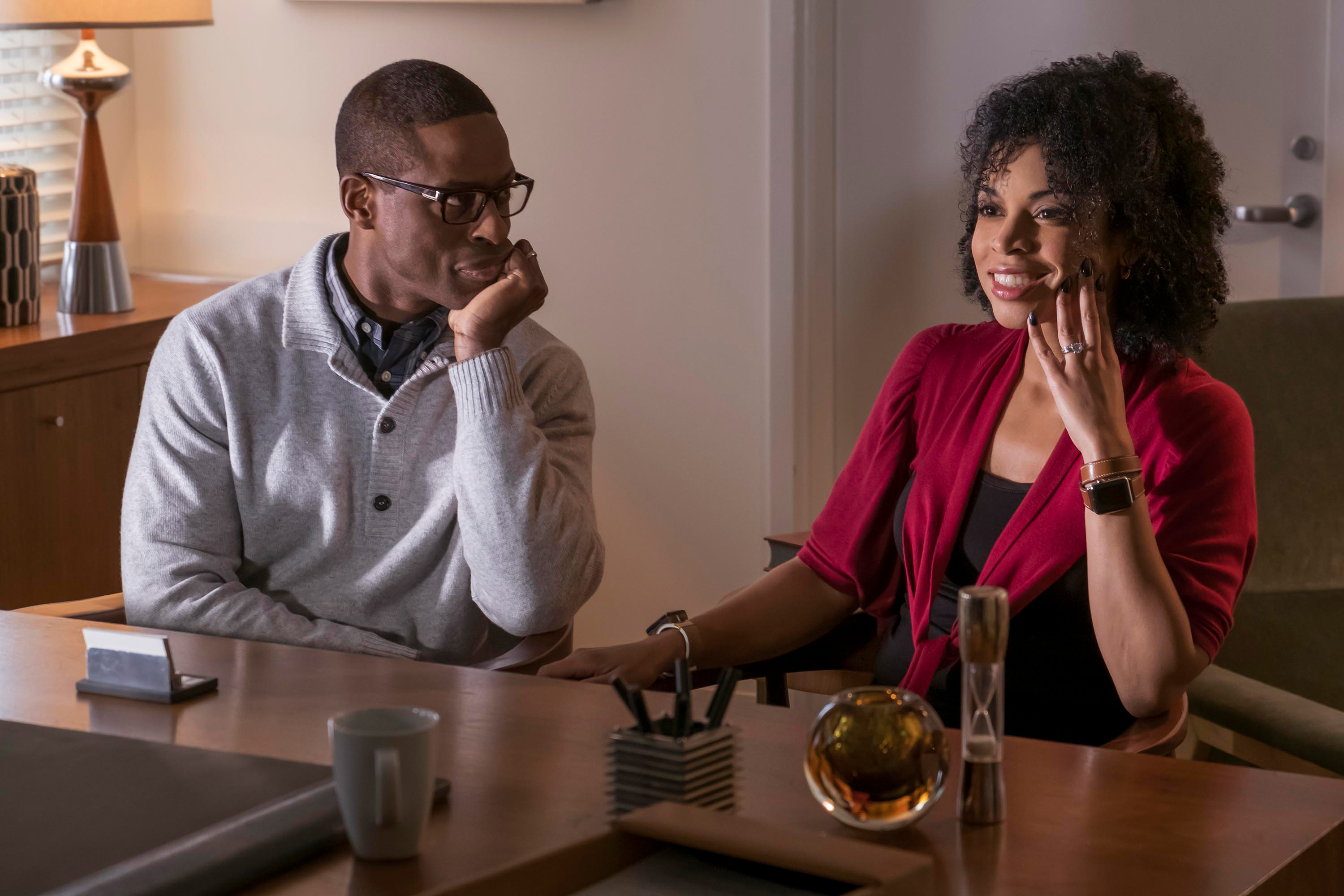
Sterling K. Brown, This Is Us
Bob Odenkirk, Better Call Saul
Jason Bateman, Ozark
Liev Schreiber, The Deuce
Best Actress, Television Series, Comedy
Pamela Adlon, Better Things
Alison Brie, GLOW
Rachel Brosnahan, The Marvelous Mrs. Maisel
Issa Rae, Insecure
Frankie Shaw, SMILF
Best Actor, Television Series, Comedy
Anthony Anderson, Black-ish
Aziz Ansari, Master of None
Kevin Bacon, I Love Dick
William H. Macy, Shameless
Eric McCormack, Will & Grace
Best Supporting Actress, Television Series
Laura Dern, Big Little Lies
Ann Dowd, The Handmaid’s Tale
Chrissy Metz, This Is Us
Michelle Pfeiffer, The Wizard of Lies
Shailene Woodley, Big Little Lies
Best Supporting Actor, Television Series
Christian Slater, Mr. Robot
David Harbour, Stranger Things
Alfred Molina, Feud: Bette and Joan
Alexander Skarsgard, Big Little Lies
David Thewlis, Fargo
Adam Rippon Is U.S.'s First Openly Gay Man To Qualify For Winter Olympics

Adam Rippon, the first openly gay man to qualify for the U.S. Winter Olympics team, competes during the 2018 Prudential U.S. Figure Skating Championships in San Jose, Calif.
Matthew Stockman/Getty Images
hide caption
toggle caption
Matthew Stockman/Getty Images
As of Sunday morning, 28-year-old figure skater Adam Rippon will be the first openly gay man to compete for the United States in the Winter Olympics.
Despite a disappointing fourth-place performance at the U.S. figure skating championships Saturday night, Rippon was selected to join Nathan Chen and Vincent Zhou in Pyeongchang next month.
“I’m really grateful that the selection committee looked at my body of work over the last two seasons,” Rippon told reporters on Sunday.
The committee’s decision wasn’t without controversy. Rippon’s selection edged out Ross Miner, who placed second in the national championship. U.S. Figure Skating President Sam Auxier said the athletes’ track records in international competitions were a deciding factor.
But for Rippon, who was the U.S. national champion in 2016, the road to PyeongChang has been a long one. This year will be the 28-year-old’s Olympic debut — more than 80 years since an American man his age competed as a rookie, according to The Washington Post.
“I don’t really care what other people think of me. I’m able to go out there and I’m really able to be unabashedly myself,” he said. “I want somebody who’s young, who’s struggling, who’s not sure if it’s OK if they are themselves to know that it’s OK.”
And depending on how the roster for the U.S. ski team shapes up, Rippon may end up sharing his historic moment.
U.S. freestyle skier Gus Kenworthy came out publicly in 2015, a year after he took silver in the 2014 Sochi Olympics. Kenworthy will find out later this month whether he heads to Pyeongchang.
A third gay athlete, luger John Fennell, had also been vying for a spot on Team USA, but a sled malfunction slashed his chance at qualifying in December.
Figure skater Johnny Weir faced speculation about his sexuality while competing in 2006 and 2010, but he avoided questions on the matter. In 2011, he publicly confirmed that he was gay in his memoir, Welcome to My World.
Despite the gain in LGBTQ representation this winter, the Olympics contend with a dearth of openly queer athletes. The U.S. hasn’t sent an openly gay man to the Summer Olympics in 14 years — since equestrians Robert Dover and Guenter Seidel competed in 2004.
But come February, a global audience will get the chance to know Rippon, who’s built a reputation as an unapologetic, highly entertaining skater.
“A few weeks ago, I was asked in an interview … what was it like being a gay athlete in sports. And I said it’s exactly like being a straight athlete. Only with better eyebrows,” Rippon said.
The W.K. Kellogg Foundation's Pledge To Fight Racism Starts With 'National Day Of Racial Healing'

The W.K. Kellogg Foundation has dedicated itself to “ending structural racism.” NPR’s Michel Martin talks to the company president and CEO La June Montgomery Tabron about the foundation’s initiatives.
MICHEL MARTIN, HOST:
Here’s a very different take on race and society from La June Montgomery Tabron. She is president and CEO of the W.K. Kellogg Foundation, one of the country’s largest philanthropic organizations. It’s taken on the ambitious goal of, quote, “eradicating structural racism,” unquote. Last June, the foundation sent $24 million in grants to organizations across the country. Six months later, we thought this would be a good time for a progress report, so I reached La June Montgomery Tabron via Skype. And I started by asking her what structural racism is and how it can be eliminated.
LA JUNE MONTGOMERY TABRON: For us, it starts with the belief of a hierarchy based on human value. And what we believe is this belief has been rooted in all of us – is conscious and unconscious. And what we believe is, through dialogue, you can shift that belief. And once you eliminate this belief in the hierarchy of human value, then you can begin to treat all of us as one humanity and create policies and systems that support everyone in the country.
MARTIN: Well, give us an example, if you would, of what some of the projects that the foundation has invested in to lead toward that result?
MONTGOMERY TABRON: We’ve invested a lot of work early on in the social determinants of health; we’ve look at educational outcomes. And what we see in our work is that there continues to be disparities along racial lines. And as the country becomes more diverse, this is going to be an issue for children into the future. And when you look at what’s happening now, we have over 150 cities across the country who are making a proclamation around a national day of racial healing. For example, in New Orleans, there’s going to be a concert, and several organizations have come together in New Orleans to make this happen and bring the citizens of New Orleans together for healing.
MARTIN: Can I just – I’m trying to figure out how to say this in a respectful way. That sounds, like, kind of weak sauce given the magnitude of the problem that you’ve described. For example, I mean, the Kellogg Foundation has been known in the past for investing heavily in education, for example. Like, in the home – in your sort of home base of Battle Creek, Mich., you know, recognizing that white flight has led to a deterioration of the tax base for the Battle Creek schools, for example. Investing, you know, tens of millions of dollars to keep the schools at a high level to even improve their level of performance. So that seems like a tangible investment in addressing the inequities that you’ve described. So are you saying that the main focus now is to get people to have conversations or to go to a concert? Is that the main focus of the work?
MONTGOMERY TABRON: This framework requires many efforts. And so as you’ve mentioned, I am so proud of what we’re doing in Battle Creek and Mississippi. What we also know is, fundamentally, this racism exists because of the lack of connections and the fact that we’ve lived in separated societies. And actually, separation and segregation is one of the key structures that allows racial inequality to exist.
MARTIN: How do you know that you’re not just preaching to the converted, that the people who are drawn to these kinds of experiences are the people who are open to people of other races to begin with? I mean, for example, do you think that people who attended those rallies in Charlottesville, Va., would be interested in coming to your racial healing dialogues?
MONTGOMERY TABRON: Well, I can tell you we’re making progress in that regard. I’ve been personally a part of these circles where someone will start out in a very contentious space and very nervous, and after several hours of dialogue, actually say, you know, you changed my perspective.
MARTIN: That was La June Montgomery Tabron. She’s the president and CEO of the Kellogg Foundation. She’s traveling, but we reached her via Skype. Ms. Montgomery Tabron, thanks so much for speaking with us. I hope we’ll talk again and you’ll tell us more about what the Kellogg Foundation is working on.
MONTGOMERY TABRON: Thank you for having me.
Copyright © 2018 NPR. All rights reserved. Visit our website terms of use and permissions pages at www.npr.org for further information.
NPR transcripts are created on a rush deadline by Verb8tm, Inc., an NPR contractor, and produced using a proprietary transcription process developed with NPR. This text may not be in its final form and may be updated or revised in the future. Accuracy and availability may vary. The authoritative record of NPR’s programming is the audio record.
Saturday Sports: NFL Playoffs
NPR’s Scott Simon talks with Howard Bryant of ESPN about the NFL playoffs — which games to watch and which teams to watch out for.
SCOTT SIMON, HOST:
Talk about fire and fury. It’s time for sports.
(SOUNDBITE OF MUSIC)
SIMON: Much of the country is huddled inside against the cold, but the NFL playoffs are just heating up. Howard Bryant of ESPN joins us. Howard, thanks so much for being with us.
HOWARD BRYANT: Good morning, Scott. How are you doing?
SIMON: I’m fine. Thank you, my friend. Most of the NFL talk we’ve had this this year has been about demonstrations of conscience on the field, been about the dropping ratings of the games. There are four big games this weekend. You’ve got the Tennessee Titans playing the Kansas City Chiefs and the Panthers against the New Orleans Saints. Where’d you like to start?
BRYANT: Well, actually, I’d like to start with Buffalo – and Buffalo and Jacksonville. You’ve got two teams that haven’t made the playoffs in forever. Jacksonville hadn’t made the playoffs since 2007. And they were a laughingstock for years. And the Buffalo Bills, the once proud Buffalo Bills, hadn’t made the playoffs since 1999. They play each other this weekend.
And you’re right, Scott. This has been a very difficult year, whether you’re talking about CTE and concussions, and we’re talking about the ratings and protests for and against Colin Kaepernick and against police brutality. And so this is the period now where the league needs this, where I think football fans are going to try to settle in and salvage this season. It’s go time for the players in terms of trying to win a championship.
And then, also, of course, you’re looking at the Atlanta Falcons. You’ve got a team there that had a 28-3 lead in the Super Bowl against the Patriots a year ago. And now they’re in the playoffs again one more time. And a team that lost the Super Bowl hasn’t gone back to the Super Bowl since 1993, when Buffalo did it. So maybe…
SIMON: And this was a team that was two minutes away from – or four minutes away from winning the Super Bowl.
BRYANT: From winning the Super Bowl. It goes back to what John Madden always said – I love that – that the greatest gap in sports is between the winner and loser of the Super Bowl. And it really is true.
SIMON: Yeah. Teams that had a rough regular season – can they put that all behind them when it gets to the playoffs? Do you wipe the slate clean?
BRYANT: Well, I think you have to. And I think that one of the teams that you’re really concerned about in that regard is the Kansas City Chiefs. There’s a team that – they went out on opening day, and they demolished the defending champion Patriots in Foxborough. You looked at them, and you said, here’s a team that’s really going to put it together.
And they’ve got Andy Reid back there, who’d been to the Super Bowl with the Philadelphia Eagles. And then, of course, they had their troubles during the season. And then they turned it around, and so now they’re in the playoffs. And so, this is one of the – they’re going to be one of those teams that is definitely saying, look. We’re in the tournament now, so everything that happened in the past isn’t going to matter. Let’s see if we can turn this around.
And, of course, the team that everyone’s looking out – there are two teams that everyone’s looking out for. One in the NFC is the Philadelphia Eagles – great team, 13 win team. But they lost their quarterback, Carson Wentz. So now you’re looking at the Eagles to see, can they win the Super Bowl with Nick Foles, with a backup? And then, of course, the defending champion Patriots, who are always there. And can 40-year-old Tom Brady do what no one’s ever done before, which is to win the Super Bowl at that age?
SIMON: Yeah. You didn’t ask. But I’ll say, yeah. I think he can.
BRYANT: (Laughter) I think he can too.
SIMON: And let me ask about the Australian Open because it is such a testament to the eminence of Serena Williams that she can dominate a news cycle about the Australian Open by making a personal decision – let me put it that way.
BRYANT: No question. Well, Serena Williams hasn’t played a professional match since she beat her sister in the Australian Open last year. She was eight weeks pregnant at the time and then announced that she was pregnant. And then she had her baby. And yet, for much of that time, she had told people that she was going to come back and make the Open, announced that she didn’t reach her goal and that she’s not going to play in the Open.
Serena Williams is the greatest athlete we’ve got going in the country right now. She does not, however, have an S on her chest. It was a great ask. But because it was Serena, everybody assumed that, hey, you’re not going to bet against her. But she said she’s not quite there yet. Kind of a shame but not really a surprise. You’re asking a lot even of the great Serena Williams to not play a match in a year and then come back and compete for a championship.
SIMON: Yeah. Well…
BRYANT: But she’ll be back.
SIMON: …Let me just say, no male champion’s ever come back after giving birth, has he?
BRYANT: (Laughter) Asking a lot, even of Serena.
SIMON: Howard Bryant, thanks so much for being with us.
BRYANT: Thank you.
Copyright © 2018 NPR. All rights reserved. Visit our website terms of use and permissions pages at www.npr.org for further information.
NPR transcripts are created on a rush deadline by Verb8tm, Inc., an NPR contractor, and produced using a proprietary transcription process developed with NPR. This text may not be in its final form and may be updated or revised in the future. Accuracy and availability may vary. The authoritative record of NPR’s programming is the audio record.
Encore: Automakers Work To Lure Generation Z
Gen Z, the generation following millennials, is making automakers nervous and forcing them to rethink some of the products they offer.
SCOTT SIMON, HOST:
There are lots of names for the generation that follows millennials – ReGen, Plurals, iGen, Gen Z. Their oldest members are just starting college. They have lots of buying power in the billions. As Youth Radio’s Natalie Bettendorf reports, this generation’s habits are different, especially when it comes to transportation and the age of ride-sharing.
NATALIE BETTENDORF, BYLINE: Sheryl Connelly has a crazy job. She’s in charge of looking into the future for Ford Motor Company. They’re trying to predict how people my age – from Generation Z – will use cars.
SHERYL CONNELLY: I have two Gen Zers at home.
BETTENDORF: She’s in Detroit.
CONNELLY: My 16-year-old daughter is thrilled, actually. Her car is ready to go.
BETTENDORF: Yeah, that’s definitely not me.
CONNELLY: Well, I think it’s context. It depends on where you live.
BETTENDORF: A couple of decades ago, you would not have heard someone from Ford saying that owning a car is about context. Things are definitely changing. I’m 18, and I don’t want a car. I’m from the Bay Area. I take buses. And when I need a car, I use Lyft. Ford’s Connelly says Gen Z is a game changer.
CONNELLY: They don’t really care about ownership. They don’t necessarily see that their vehicle is going to be a status symbol. In fact, they’re really savvy customers and quite – can be quite frugal.
BETTENDORF: Does this scare you at Ford – that we’re frugal?
CONNELLY: No, I don’t think so at all. We’re ready for you. If you want to buy a car, we got it for you. If you don’t want to buy a car, we can still help you there.
BETTENDORF: The top three automakers in the United States are Ford, Fiat Chrysler and General Motors. They say they are no longer just automakers. Every major car company is trying to make a move – whether it’s car-sharing or ride-hailing or self-driving. Even General Motors has a new app for car sharing that it’s betting billions on. It’s called Maven, and Peter Kosak is the executive director of Urban Mobility.
PETER KOSAK: We needed to create a new brand because this is really about access and not necessarily ownership.
BETTENDORF: Ownership? Well, whatever. Me and people my age are redefining what it means to travel by car. Susan Shaheen is at UC Berkeley and has been studying ride sharing since the ’90s before it was a real thing. She says this isn’t all bad news for car companies.
SUSAN SHAHEEN: They’re going to know you. If you are using their mobility services, chances are they’re going to have a lot of data about your preferences. They’re going to know a lot about where you travel and how you travel. They’re going to be in a very good position to market to you.
BETTENDORF: Even if you haven’t thought about owning a car, car companies have already kind of got you. Car-sharing apps essentially place you on the road to ownership. And using these services is essentially test driving, which is the first step in purchasing a car. I recently came to Los Angeles for college. Before I moved, I told people that I wouldn’t have a car. And they’d say, oh, good luck. But I didn’t need luck because I got here, and there’s Lyft, and there’s Uber. And right now, for people who are selling cars, I’m a problem. So is the rest of my generation. That is what is sending car companies into their own identity crisis.
For NPR News, I’m Natalie Bettendorf.
(SOUNDBITE OF LETTUCE’S “PHYLLIS”)
Copyright © 2018 NPR. All rights reserved. Visit our website terms of use and permissions pages at www.npr.org for further information.
NPR transcripts are created on a rush deadline by Verb8tm, Inc., an NPR contractor, and produced using a proprietary transcription process developed with NPR. This text may not be in its final form and may be updated or revised in the future. Accuracy and availability may vary. The authoritative record of NPR’s programming is the audio record.
The Week in Movie News: 'Bright' Sequel Confirmed, 'Slender Man' Trailer and More
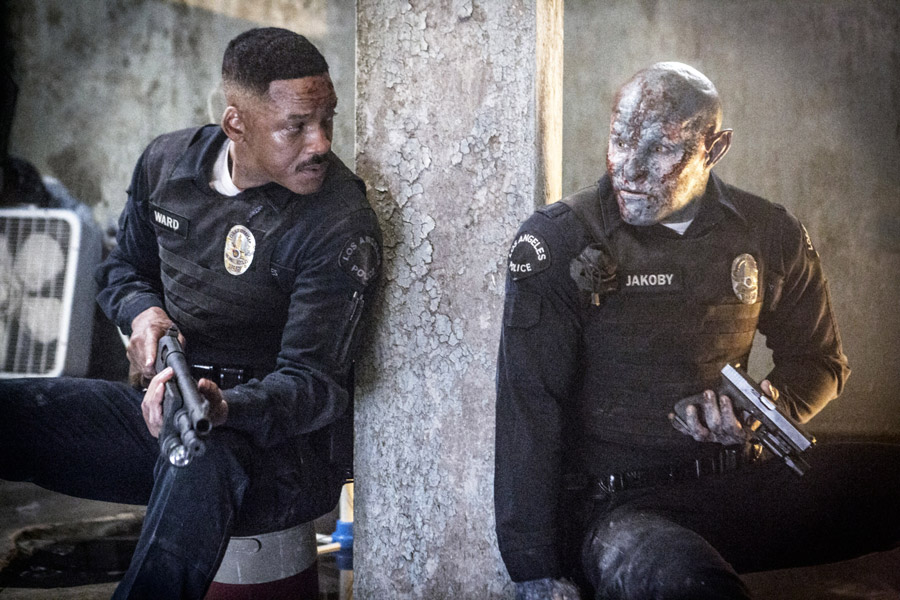
Need a quick recap on the past week in movie news? Here are the highlights:
BIG NEWS
Netflix’s Bright is getting a sequel: Netflix revealed that the new fantasy action movie, Bright, starring Will Smith and Joel Edgerton, is their most popular original feature ever and confirmed a sequel is in the works with returning director David Ayer. Read more here.

GREAT NEWS
Women and black directors had an amazing year: Women filmmakers and protagonists did very well at the box office in 2017, with the top three highest-grossing movies being led by female characters, while black directors also made progress with a number of hits. Meanwhile, one of those directors had the best-reviewed wide release of the year Read more here and here.
SURPRISING NEWS
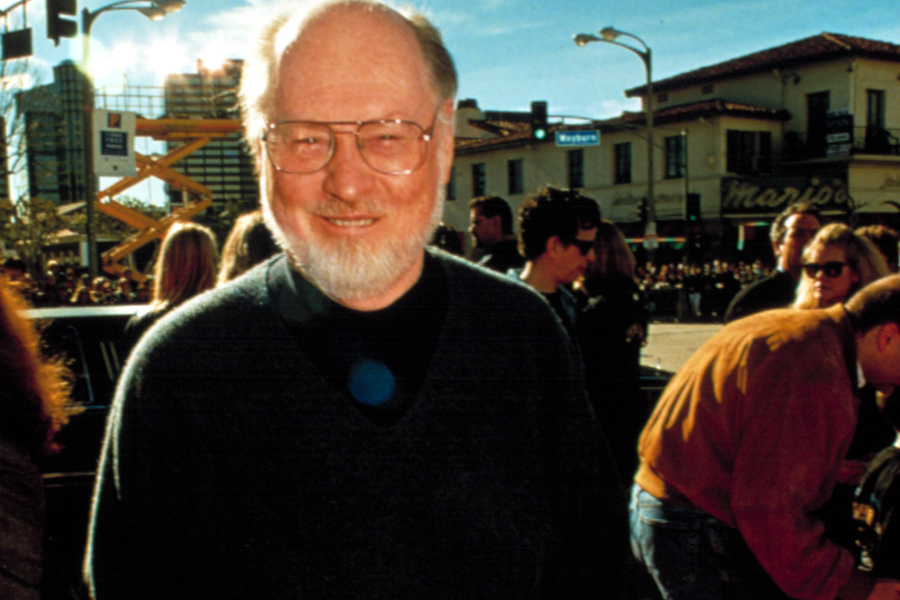
John Williams is working on the Solo: A Star Wars Story score: Movie score icon John Williams has composed the music for every Star Wars episode except the standalone spin-off Rogue One and he wasn’t expected to work on Solo: A Star Wars Story. But now he is involved with the upcoming installment. Read more here and learn about how Christian Bale surprisingly considered a role in the movie here.

COOL CULTURE
Dunkirk mash-ups: Christopher Nolan’s Dunkirk has inspired a number of fun videos lately, including the expected mash-up with Darkest Hour below. See more involving historical footage, Top Gun music and more here and here.
[embedded content]

EXCLUSIVE MOVIE GUIDE
Every major 2018 superhero movie: Our comic book movie expert showcased all the superhero movies to look forward to this year, from Black Panther to Aquaman. Read the comprehensive guide here.

MUST-WATCH TRAILERS
Slender Man adapts a meme into a movie: One of this year’s hottest horror movies is Slender Man, which is based on a myth about a tall, thin man who terrifies teens. Watch its first trailer here:
[embedded content]
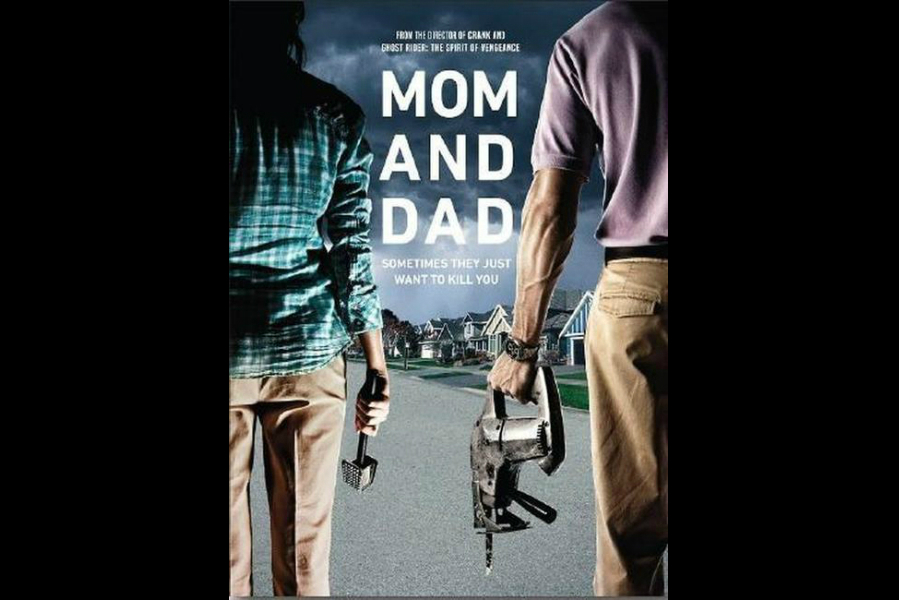
Mom and Dad offers Nic Cage at his most furious: The first trailer for Mom and Dad sees Nicolas Cage and Selma Blair as parents who suddenly turn on their children, violently. Watch it here:
[embedded content]

Fifty Shades Freed teases twists and turns: The latest trailer for the third, final installment of the Fifty Shades trilogy promises some surprises for the new movie. Check it out here:
[embedded content]
and
CHIP Funding Could Run Out On Jan. 19 For Some States

The CHIP program provides health coverage to 9 million children from lower-income households that make too much money to qualify for Medicaid. The $2.85 billion Congress allocated in December was supposed to fund CHIP programs in all states through March 31. But federal health officials say it won’t stretch that far.
Karl Tapales/Getty Images
hide caption
toggle caption
Karl Tapales/Getty Images
Some states are facing a mid-January loss of funding for their Children’s Health Insurance Program despite spending approved by Congress in late December that was expected to keep the program running for three months, federal health officials said Friday.
The $2.85 billion was supposed to fund states’ CHIP programs through March 31. But some states will start running out of money after Jan. 19, according to the Centers for Medicare & Medicaid Services. CMS did not say which states are likely to be affected first.
The latest estimates for when federal funding runs out could cause states to soon freeze enrollment and alert parents that the program could soon shut down.
The CHIP program provides health coverage to 9 million children from lower-income households that make too much money to qualify for Medicaid. Its federal authorization ended Oct. 1, and states were then forced to use unspent funds to carry them over, while the House and Senate try to agree on a way to continue funding.
Congress extended funding on Dec. 21 — and said the temporary patch would give states enough money to continue the program while Congress works on a long-term funding solution. But a CMS official says it can only guarantee that appropriation will be enough to fund all states through Jan. 19.
CMS says the agency is in discussions with states to help deal with the funding shortfall.
“The funding … should carry all the states through January 19,based upon best estimates of state expenditures to date,” says CMS spokesman Johnathan Monroe. “However, due to a number of variables relating to state expenditure rates and reporting, we are unable to say with certainty whether there is enough funding for every state to continue its CHIPprogram through March 31, 2018.”
“States need to know whether they will need to find additional funding for children covered under the Medicaid CHIP program at a much lower federal matching rate; send letters to families and reprogram their eligibility systems,” says Lisa Dubay, a senior fellow at the Urban Institute. “Of course, the implications for families with CHIP-eligible children cannot be understated: Parents are worried that their children will lose coverage. And they should be.”
Although the program enjoys bipartisan support on Capitol Hill, the Republican-controlled House and Senate have for months been unable to agree on how to continue funding CHIP, which began in 1997.
The House plan includes a controversial funding provision — opposed by Democrats — that takes millions of dollars from the Affordable Care Act’s Prevention and Public Health Fund and increases Medicare premiums for some higher-earning beneficiaries.
The Senate Finance Committee reached an agreement to extend the program for five years but did not unite around a plan on funding.
Before the CHIP funding extension on Dec. 21, Alabama said it would freeze enrollment Jan. 1 and shut down the program Jan. 31. Colorado, Connecticut and Virginia sent letters to CHIP families warning that the program could soon end.
After the funding extension, Alabama put a hold on shutting down CHIP.
“Some states will begin exhausting all available funding earlier than others,” a CMS official says. “But the exact timing of when states will exhaust their funding is a moving target.”
Bruce Lesley, president of First Focus, a child advocacy group, says Congress should have known its short-term funding plan was not enough.
“The math never worked on the patch, as it only bought a few weeks,” he says. “Congress must get this finalized before Jan. 19.”
Kaiser Health News is a national health policy news service that is part of the nonpartisan Henry J. Kaiser Family Foundation. Phil Galewitz is a senior correspondent for KHN.
