Articles by admin

No Image

With The Wu-Force, Watch An Age-Old Story Unfold From A Phone Screen

Wanderlust is at the heart of the music The Wu-Force makes and the lives its members lead but so is its opposite: homesickness. The trio’s members, two American and one Chinese, are all inveterate world travelers who’ve forged unexpected musical connections.

Group founder Wu Fei, raised in Beijing, spent years within the avant-garde music scene in New York and currently lives in Nashville, playing her massive stringed guzheng with both classical and roots music ensembles. She formed The Wu-Force in Beijing in 2010 with Abigail Washburn — her clawhammer banjo-playing American soulmate — and Kai Welch, Washburn’s frequent collaborator on keyboards and trumpet. Each player is a daring experimentalist who’s also bound to preserve her or his native traditions — in the blend, bluegrass meets folk meets West Coast jazz meets Chinese mountain music. It’s a music of borders and of home fires reflecting each others’ lights.

“Paper Lanterns,” from Wu-Force’s self-titled debut EP, is a song of exile and exquisite longing. The lyrics, in both English and Mandarin, give voice to a young female worker who’s had to leave her small town for the big city. She knows her dream of returning will likely not come true, yet she hangs on to hope, and finds strength in even the thought of her beloved sister. Within its musical swirl of Appalachian, Chinese classical and pop sounds, the song borrows a motif, a riff, from the Pixies‘ “Where is My Mind” – the perfect reference point for the psychic displacement of the song’s narrator.

This video, created by Joey Foster Ellis (you might have seen his amazing stop-motion collaboration with rapper Moinina Sengeh, from Sierra Leone), delicately conveys the song’s message in images that will pique the memory of viewers from any background.

The Wu-Force EP is available now.

Let’s block ads! (Why?)


No Image

Tom Price Confirmed As Secretary Of Health And Human Services

Tom Price, pictured during his Senate hearing on Jan. 18, has been confirmed as secretary of Health and Human Services. Alex Wong/Getty Images hide caption

toggle caption

Alex Wong/Getty Images

The Senate early Friday confirmed Rep. Tom Price, R-Ga., as the new secretary of Health and Human Services.

He was approved by a near party-line vote of 52 to 47. Democrats were concerned that the conservative congressman wants to pare down government health programs. They were also troubled by lingering ethics questions over Price’s investments.

In his new role, Price, a retired orthopedic surgeon from suburban Atlanta who served as chairman of the House Budget Committee, is expected to implement the repeal and replacement of the Affordable Care Act which his colleagues in Congress have been working on this year.

Price will oversee a $1 trillion agency, the largest budget of any Cabinet secretary. In addition to Obamacare, HHS administers the Medicare and Medicaid programs and oversees the National Institutes of Health, among other programs and agencies.

With Price’s confirmation, HHS now has as its leader a budget hawk who has proposed replacing the Affordable Care Act subsidies that are tied to income, with tax credits to purchase insurance. Tax credits are not determined by an individual’s income level.

Price also supports the proposal by House Speaker Paul Ryan to turn Medicare into what some call a “voucher” program. Under the plan, beneficiaries would receive “premium support” from the government to buy a Medicare health plan through an exchange. The private plans would compete against the traditional government-run program.

During his confirmation hearing, Price said his goal was that everyone have access to health insurance.

“What I commit to the American people is to keep patients at the center of health care. And what that means to me is making certain every single American has access to affordable health coverage,” he said.

Article continues after sponsorship

Democrats spent hours on Thursday reading stories from their constituents about how the Affordable Care Act helped them, and tried to make the case that Price is a threat to Medicare, Medicaid and health care for people who have ongoing medical conditions.

“Congressman Price’s budget in the House cuts nearly $500 million from Medicare and turns it into a voucher program,” said Sen. Bill Nelson, D-Fla., during the 30-hour debate.

The Obamacare replacement Price proposed included offering tax credits starting at $1,200 a year to allow people to buy health insurance, boosting the use of tax-advantaged health savings accounts and limiting the tax deduction companies take for providing health insurance to workers.

Those ideas are the core of what Republicans say they want to do to replace the ACA, but the details of how big the tax credits would be, and exactly how the HSAs would be structured are unknown.

During his confirmation, Price was dogged by questions about investments he made in health care-related companies.

Price says he followed all congressional ethics rules, but his well-timed trades made it appear that he could have used his position to influence the price of stocks he owned, or that he received special treatment from companies in which he invested.

Republicans in the Senate were satisfied with his explanations however, and the former congressman will be headed to his new office today.

Let’s block ads! (Why?)


No Image

Today in Movie Culture: Tom Cruise Falls Into 'Star Wars' and Other Movies, History Via 'Batman' Movies and More

Here are a bunch of little bites to satisfy your hunger for movie culture:

Mashup of the Day:

Watch Tom Cruise fall from Vanilla Sky through various other movies, including Star Wars: Episode II – Attack of the Clones, Harry Potter and the Prisoner of Azkaban and Furious 7:

[embedded content]

Actor in the Spotlight:

How much do you know about John Wick: Chapter 2 star Keanu Reeves? Test your knowledge against this trivia-filled video by ScreenCrush:

[embedded content]

Movie Comparison of the Day:

Speaking of John Wick, Couch Tomato shows 24 reasons it’s basically the same movie as The Equalizer:

[embedded content]

History Lesson of the Day:

Cracked goes through the history of Batman movies and TV series and discusses how they represent real world history of the past half century:

[embedded content]

Alternate Movie Posters of the Day:

Mondo’s new prints for Green Room, inspired by the Black Flag logo, and Big Trouble in Little China are amazing:

New poster releases tomorrow! GREEN ROOM by @oliverbarrett & BIG TROUBLE IN LITTLE CHINA by @sbosma. Details: https://t.co/YfdxY9asTy pic.twitter.com/8QXePRxfhs

— MONDO (@MondoNews) February 8, 2017

Movie Science of the Day:

Could the Mystery Science Theater 3000 logo really be written on the moon and be seen from Earth? Yes, and Kyle Hill explains how:

[embedded content]

Filmmaker in Focus:

For Fandor Keyframe, LJ Frezza showcases Yorgos Lanthimos’s focus on authoritarian personalities:

[embedded content]

Supercut of the Day:

Candice Drouet isolates all the violent moments of The Godfather trilogy in this video and it’s surprisingly less than five minutes long:

[embedded content]

Film Studies Lesson of the Day:

Now You See It looks at the film noir genre as a case for black and white filmmaking:

[embedded content]

Classic Trailer of the Day:

Today is the 10th anniversary of the release of Norbit. Watch the original trailer for the Oscar-nominated comedy below.

[embedded content]

Let’s block ads! (Why?)


No Image

In Austin, A Boom In Short-Term Rentals Brings A Backlash

Austin is phasing out and banning short-term rentals, causing some owners to fight back. Other homeowners will be glad to see them go. In East Austin, this type of rental property is mixed in with regular homeowners Jorge Sanhueza-Lyon/KUT News hide caption

toggle caption

Jorge Sanhueza-Lyon/KUT News

Kristen Hotopp stands in the front yard of her well-worn East Austin home, where she has lived for the past 17 years. She points across the street at an attractive, nearly new, two-story home — by far the nicest on the block.

“There are two units on this lot,” Hotopp says. “There’s a house in the back that’s smaller and a house upfront. We’re getting investors descending upon the area and buying up a lot of these properties.”

Like many fast-growing regions, the state of Texas is grappling with the growing market for short-term home and condo rentals like those listed on Airbnb and HomeAway. That has especially been true in Austin.

Even though Hotopp’s working-class neighborhood is close to Sixth Street and other Austin music districts, she has lived quietly with her husband and young son. But that changed two years ago when the new house across the street turned out to be a short-term-rental property. Suddenly, the good times on Sixth Street were rolling back to her block at 2 a.m.

Article continues after sponsorship

“You have large groups of people there screaming in the middle of the night,” Hotopp says. “They’re here to party. They bring people back with them to the property when the bars close downtown and it just becomes kind of an all-night thing.”

The parade of loud, inebriated, door-slamming renters got old quick. Hotopp complained to city officials more than 30 times.

Over the past five years, experiences like Hotopp’s have become a rallying cry for Austin’s well-organized and politically powerful neighborhood associations.

“We believe they’re essentially commercial hotels embedded in our neighborhoods,” says David King, president of the Austin Neighborhoods Council, which represents nearly 100 neighborhood associations.

Fifty years ago Austin was a sleepy college town flowing to the seasonal rhythm of its state university. Now, it’s an economic and cultural powerhouse and burgeoning tourist destination. Austin’s property values and taxes are through the roof. The city’s musicians and working class are being priced out.

In 2012, the City Council moved to regulate — requiring short-term-rental owners to get a permit, pay hotel taxes and limiting density to no more than 3 percent of any given neighborhood. But Mayor Pro Tem Kathie Tovo says these regulations didn’t go far enough.

“You know we have a housing shortage here in Austin,” Tovo says. “We are working on issues related to affordability and then to have a policy on the books that takes available housing stock and makes it unavailable for renters, for property owners is not in the best interest of Austin residents.”

So last year the council voted to ban these so-called Type 2 rentals. Current licensed operators will be phased out. And that has triggered lawsuits and legislative action in response.

“We sued because the city ordinance goes too far and tramples on the constitutional rights of our clients who both own and operate short-term rentals and also serve as guests of short-term-rental properties,” says Rob Henneke, director at the Texas Public Policy Foundation, an influential conservative think tank in Austin.

The lawsuit is against the city of Austin, and the state of Texas has gotten involved. Henneke says that as suburbia exploded across the nation’s landscape in the 1950s, it became an American folkway for single-family-home owners to disdain renters, with a mindset of, “If they can’t afford to buy, they’re not our type of people.”

Henneke argues now that the attempt to discriminate involves not the renter’s color or class but the duration of the rental.

“Occupying a house as a short-term renter is completely consistent as a residential activity and fits within the purpose of single-family residential zoning,” he says.

Joel Rasmussen, 46, and his wife bought their duplex in the Travis Heights neighborhood after they fell in love with the midcentury modern style. They also bought the ones next to it.

The hills of South Austin are full of these modest, charming homes. On the outside, there’s nothing to distinguish Rasmussen’s units from the neighbors’, but inside is an upscale boutique.

“Vaulted ceilings, lots of natural light coming in from the outside — people really love this textured wall,” Rasmussen says. “It has a very kind of Jetsons or 1960s feel. It’s actually recycled bamboo panels.”

The two-bedroom, one bath goes for $195 a night and guests park under the carport, not on the street. Rasmussen says he has never had a complaint and that even the neighbors sometimes put their visitors in his rentals because the homes in the area run small.

“In fact, the neighbors that live just on the other side of that property have two children,” Rasmussen says. “When baby No. 1 was born, Mom and Dad came and stayed for three weeks, and when baby No. 2 was born the grandparents came again and stayed for three weeks to welcome the grandbabies.”

In Rasmussen’s unit next door, Kathy Arena sits outside reading a book on the wraparound deck in Austin’s warm winter sun. She’s from Cedarburg, Wis., and, along with her husband, has escaped the frozen tundra to bask for a winter’s month in Austin’s glow for the past three years.

“It’s just been so smooth and we’ve stayed in the same place each time,” Arena says. “So, another thing I like about Austin is all ages commingle. Everyone is so nice to everybody. We’ve made all sorts of new friends here.”

The battle over whether these types of short-term-rental properties should be allowed is being fought in court and the Texas Legislature. A bill has been filed by Republican State Sen. Kelly Hancock that would prohibit Texas cities from banning them outright. And as the rulings in state courts have been contradictory, it’s likely the Texas Supreme Court will have to have the final word.

Let’s block ads! (Why?)


No Image

Today in Movie Culture: 'Beauty and the Beast' as a 'Harry Potter' Sequel, the Evolution of Keanu Reeves and More

Here are a bunch of little bites to satisfy your hunger for movie culture:

Mashup Trailer of the Day:

Surprise! It turns out Disney’s live-action remake of Beauty and the Beast is actually a Harry Potter sequel about Hermione falling in love with Lord Voldemort, according to this impressive Pistol Shrimps mashup:

[embedded content]

Parody Posters of the Day:

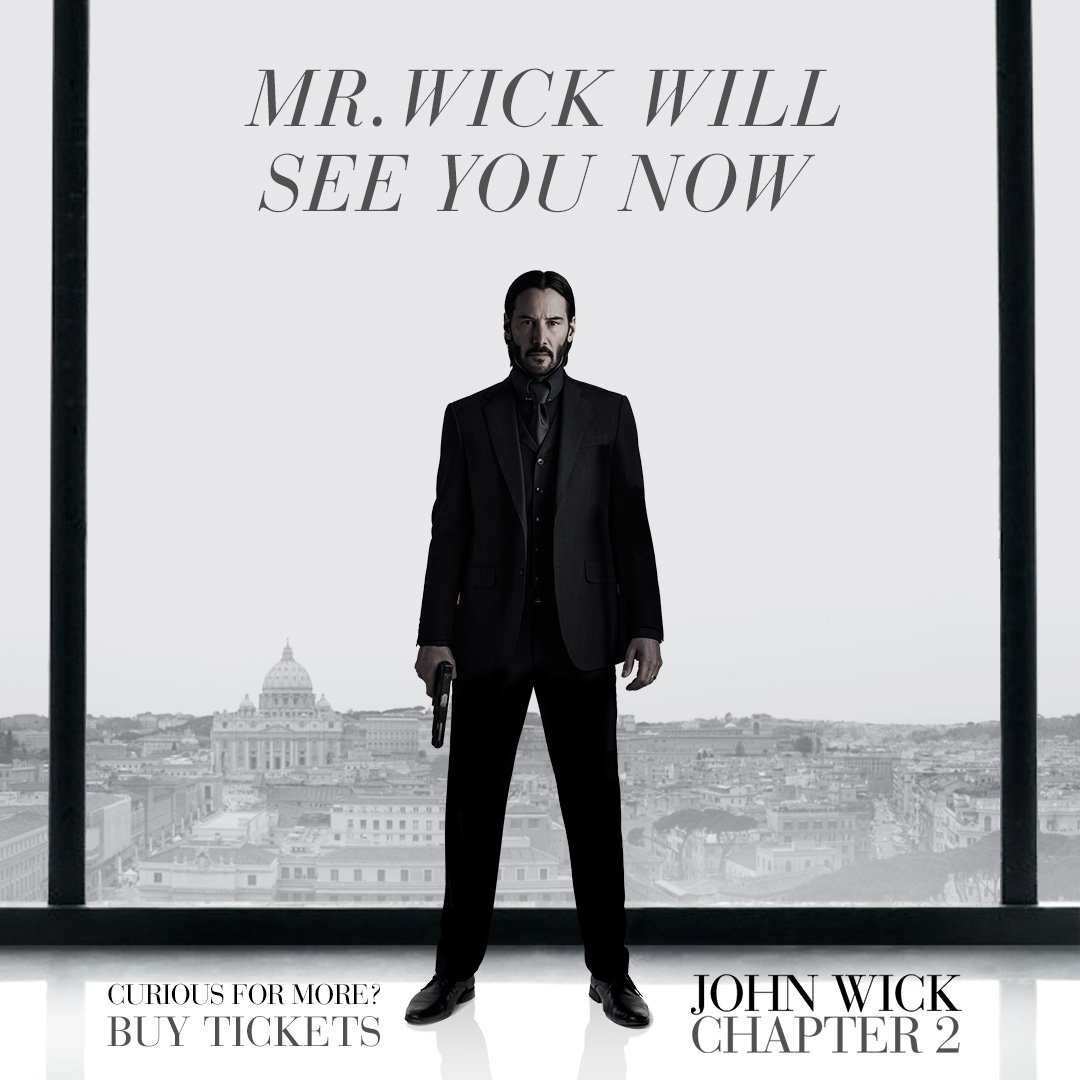
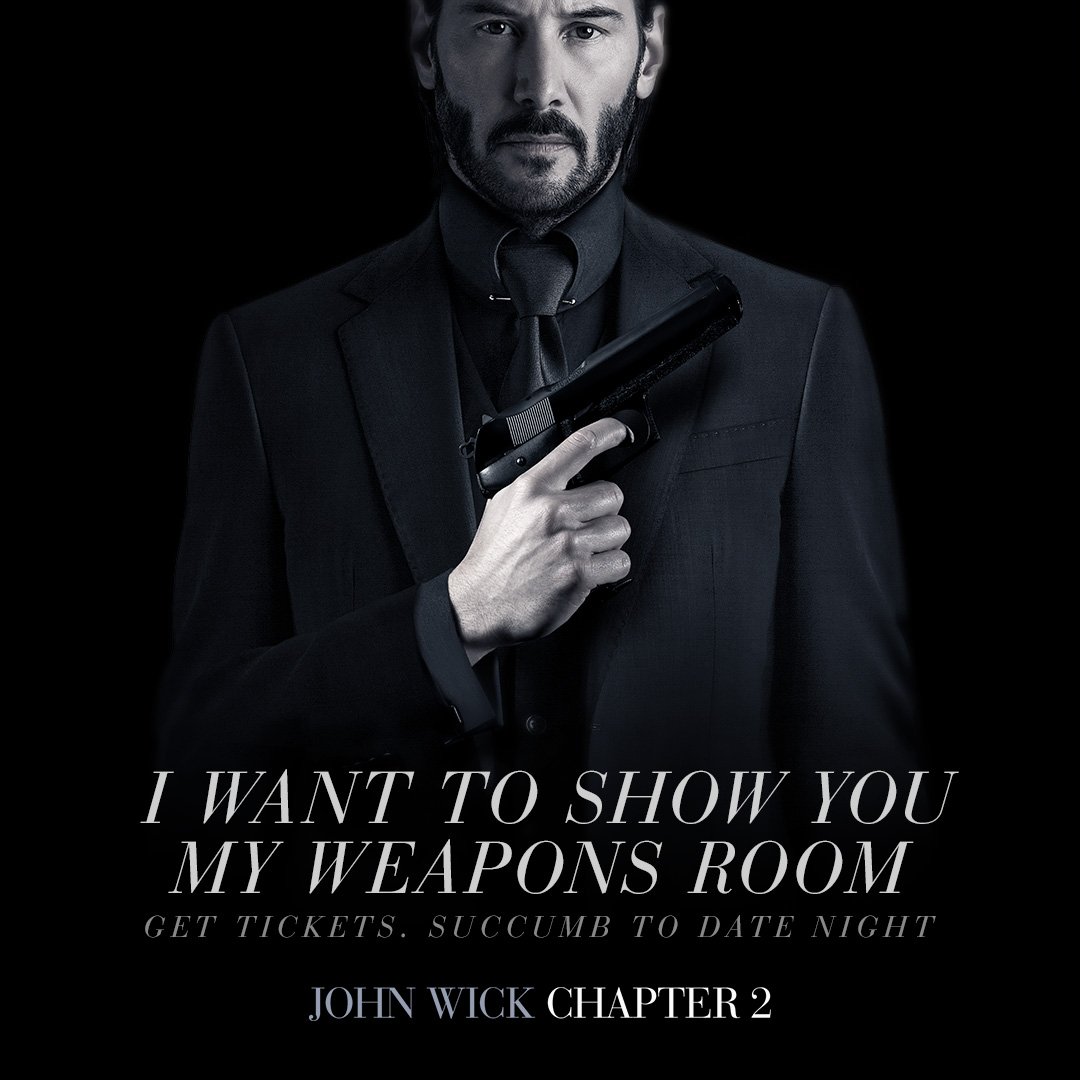
This weekend, John Wick: Chapter 2 goes up against Fifty Shades Darker, so here are some official posters for the former lampooning the latter:

Actor in the Spotlight:

Speaking of John Wick: Chapter 2, in honor of the sequel here’s Burger Fiction with an evolution of Keanu Reeves:

[embedded content]

Filmmaker Influence of the Day:

See how much Oscar nominee Moonlight was influenced by the work of Wong Kar-wai in this side-by-side comparison video by Alessio Marinacci (via IndieWire):

[embedded content]

Vintage Image of the Day:

James Dean, who was born on this day in 1931, outside a dressing room trailer on the set of Giant in 1955:

Fan Theory of the Day:

With a sequel currently in the works, a theory about a character from Pixar’s The Incredibles is explored by ScreenRant:

[embedded content]

Toy of the Day:

Speaking of Pixar movies, this Voltron-like transforming toy that combines Toy Story character figures into one massive robot actually exists and can be purchased (via Geek Tyrant):

Plot Hole Fill-In of the Day:

Ever wonder how Indiana Jones rides the submarine all the way to the Nazi base in Raiders of the Lost Ark? Ranker animates an answer:

[embedded content]

Supercut of the Day:

Speaking of Raiders of the Lost Ark, here’s a montage from The New Inquiry of movie heroes taking out Nazis:

[embedded content]

Classic Trailer of the Day:

Today is the 15th anniversary of the release of Big Fat Liar. Watch the original trailer for the Paul Giamatti classic below.

[embedded content]

and

Let’s block ads! (Why?)


No Image

Federal Judge Blocks Merger Of Anthem And Cigna

A federal judge has blocked Anthem’s bid to merge with another health insurer, Cigna. The Justice Department had said the deal would stifle competition. Michael Conroy/AP hide caption

toggle caption

Michael Conroy/AP

A federal judge has blocked the merger of two major health insurance companies, Anthem and Cigna, after the Justice Department concluded that the deal would reduce competition in the health insurance market and raise prices.

Judge Amy Berman Jackson of the U.S. District Court for the District of Columbia made the ruling.

Announcing last summer that the Justice Department would oppose both the Anthem-Cigna merger and one by Aetna and Humana, then-Attorney General Loretta Lynch said:

“If allowed to proceed, these mergers would fundamentally reshape the health insurance industry. They would leave much of the multi-trillion dollar health insurance industry in the hands of three mammoth insurance companies, drastically constricting competition in a number of key markets that tens of millions of Americans rely on to receive health care. …

“If these mergers were to take place, the competition among these insurers that has pushed them to provide lower premiums, higher quality care and better benefits would be eliminated.”

Acting Assistant Attorney General Brent Snyder said Wednesday, “Today’s decision is a victory for American consumers.” A spokeswoman for Anthem said the insurer was reviewing the judge’s decision and had no comment Wednesday night.

A spokeswoman for Anthem says the company is reviewing the decision and has no comment yet.

Last month, another judge barred the Aetna-Humana deal on the same grounds.

NPR thanks our sponsors

Let’s block ads! (Why?)


No Image

Baylor Sanctioned By Big 12 After New Revelations About Sexual Assault Controversy

In this Oct. 10, 2015, photo, Baylor head coach Art Briles watches during the second half of an NCAA college football game against Kansas in Lawrence, Kan. Charlie Riedel/AP hide caption

toggle caption

Charlie Riedel/AP

The Big 12 Conference decided Wednesday to impose a multi-million dollar sanction on Baylor University after another recent round of stinging revelations about the extent and nature of the university’s problems with alleged sexual assaults by former members of its football team.

The conference’s board of directors voted to withhold a quarter of Baylor’s future revenue “pending the outcome of third-party verification review of required changes to Baylor’s athletics procedures and to institutional governance of its intercollegiate athletics programs, among other matters,” according to a post on the conference’s website.

“The Board is unified in establishing a process to verify that proper institutional controls are in place and sustainable,” the conference board’s chairman David Boren said. He added, “By taking these actions the Board desires to ensure that the changes that were promised are actually made and that systems are in place to avoid future problems. The proportional withholding of revenue distribution payments will be in effect until the Board has determined that Baylor is in compliance with Conference bylaws and regulations as well as all components of Title IX.”

Article continues after sponsorship

In response, Baylor’s interim president pledged the university’s “full cooperation” with the Big 12’s requirement of an independent review as the school implements “enhanced practices” to deal with allegations of sexual violence.

“This third-party review at the request of the Big 12 Conference,” said David E. Garland, “will provide an opportunity for us to demonstrate our progress to date and our ongoing commitment in establishing Baylor as a leading institution in athletics compliance and governance and for preventing and addressing sexual assaults on college campuses.”

The withholding — which amounts to an estimated $7.5 million reduction in annual distributions to Baylor if the sanction remains in effect — is the closest thing to a punishment imposed by either the Big 12 or the NCAA, after allegations that began roughly 5 years ago of sexual assaults committed by football players during the tenure of former head coach Art Briles and efforts by the university to sweep those alleged assaults and other misconduct under the rug.

First reports last year about the university’s efforts to cover up allegations against the football team included five Baylor football players and 8 occurrences of sexual assault. Then came a Wall St. Journal article in late October that detailed 17 women reporting sexual or domestic assault involving 19 football players, including four instances of alleged gang rapes. Baylor football player Tevin Elliott was charged, convicted and sentenced to 20 years in prison in January 2014 after four women testified he sexually assaulted them. Another former player, defensive end Sam Ukwuachu, was convicted in August 2015 of sexually assaulting a member of the women’s soccer team. Yet another All-American member of the Bears’ program, Shawn Oakman, was indicted in July of last year for allegedly sexually assaulting a Baylor graduate student at her apartment. His trial has been set for April.

And that’s just the football team. Baylor’s former Title IX coordinator Patty Crawford, who was in charge of investigating all reports of sexual violence at the university, cited 125 reports of sexual assault and harassment from 2011-2015. Crawford, who came from Indiana University and had no previous connection to Baylor, described a culture of indifference at the Waco, Texas, school when it came to reports of sexual violence by its coeds.

Crawford resigned last fall, accusing the university of interfering with her ability to do her job.

And then the allegations grew even worse in the past two weeks.

Late last month, a young Baylor graduate filed a lawsuit against the university alleging she was gang raped by two football players in 2013 and that more than 50 instances of rape, perpetrated by as many as 31 football players, occurred between 2011 and 2014 when Briles ran the Baylor football program, the Dallas Morning News reported. The suit describes a culture of sexual violence inside the program and contends that Briles implemented an activity called “show ’em a good time,” which included taking underage high school recruits to strip clubs and arranging for escorts to have sex with top prospects. The lawsuit accuses Briles’ son, former Baylor assistant coach Kendal Briles, of asking a Dallas prospect: “Do you like white women? Because we have a lot of them at Baylor and they love football players.”

Close upon the heels of those new allegations, the university itself threw gasoline on the conflagration. Last Thursday in response to more lawsuits, libel suits filed by Briles and by Briles’ assistant coach Colin Shillinglaw, Baylor’s regents and interim president described the football program under Briles as “a black hole into which reports of misconduct such as drug use, physical assault, domestic violence, brandishing of guns, indecent exposure and academic fraud disappeared.”

And to drive the point home, Baylor made public several text messages between then coach Briles, then assistant coach Colin Shillinglaw and then athletic director Ian McCaw. From the university’s court filing:

*On April 8, 2011, after a freshman defensive tackle was cited for illegal consumption of alcohol, Coach Briles sent a text message to an assistant coach: “Hopefully he’s under radar enough they won’t recognize name – did he get ticket from Baylor police or Waco? … Just trying to keep him away from our judicial affairs folks….”

*On February 11, 2013, an assistant coach notified Coach Briles of a claim by a female student-athlete that a football player brandished a gun at her. Coach Briles responded by impugning the victim: “what a fool – she reporting to authorities.” The assistant coach texted back: “She’s acting traumatized … Trying to talk her calm now…”

*On September 13 2013, Shillinglaw sent a text to Coach Briles about a player who got a massage and “supposedly exposed himself and asked for favors. She [the masseuse] has a lawyer but wants us to handle with discipline and counseling.” Briles’ first response was “What kind of discipline… She a stripper?”

*On September 20, 2013, after a player was arrested for assault and threatening to kill a non-athlete, a football operations staff official tried to talk the victim out of pressing criminal charges. Meanwhile, Coach Briles texted Athletics Director Ian McCaw: “Just talked to [the player] – he said Waco PD was there – said they were going to keep it quiet – Wasn’t a set up deal… I’ll get shill(Shillinglaw) to check on Sibley (local attorney Jonathan Sibley).” Athletics Director Ian McCaw replied: “That would be great if they kept it quiet!”

*In October 2013, Shillinglaw and Briles discussed their efforts to intervene on behalf of a player who was suspended for repeated drug violations. “Bottomline, he has to meet with (Vice President for Student Life Kevin) Jackson tomorrow morning. If Jackson does not reinstate President will,” Shillinglaw wrote.

The impending release of the messages seemed to have the desired effect — at least when it came to Briles who dropped his contentious suit against the university just 24 hours before the disclosure of the messages in the school’s court filing responding to Shillinglaw’s ongoing case.

These texts messages were also among the things that led the Big 12 to act. “New information became known that reached a tipping point,” Big 12 commissioner Bob Bowlsby told CBS Sports Wednesday.

“It’s a verification process,” Bowlsby also told CBS Sports, “We’re holding the money until we can verify that what needs to be done is being done.”

Let’s block ads! (Why?)


No Image

Since The Election, Americans Grow More Supportive Of Obamacare

There are now more people who think Obamacare is a good idea than those who don’t. It’s basic human nature: People tend to get upset if they think they are about to lose something they feel entitled to or previously had. It’s also the idea that fueled Donald Trump’s electoral base, and ironically, now fuels those who are opposed to him.

KELLY MCEVERS, HOST:

In the last couple of months, something has changed about the way Americans feel about Obamacare. Since the election, its popularity is growing. That’s a big change in public opinion, and NPR political reporter Danielle Kurtzleben thinks she knows why. She’s with us in the studio. Hey, there.

DANIELLE KURTZLEBEN, BYLINE: Hey.

MCEVERS: So tell us first about the polling on Obamacare.

KURTZLEBEN: Right. So you have several polls recently – one from NBC, one from CNN. And they found that for the first time since Obamacare was passed, it is seen more favorably than not. And what’s interesting is this seems to mean that even people who weren’t all that crazy about Obamacare are now fighting against its repeal. Several commentators have pointed this out. And as I wrote in an article this week, one possible reason for this is the idea of relative deprivation.

MCEVERS: What is that?

KURTZLEBEN: So it’s the sense that I’m entitled to something and that I perceive that I can’t get it. Now, the idea here is that this is what inspires a lot of political revolts. There was a political scientist named Ted Robert Gurr who, in the 1970s, wrote a whole book about this. Now, the key word here is relative. This isn’t just about deprivation, period. That is, I’m not necessarily going to go protest if I don’t have health insurance, but I will if I think I should rightfully have it and that I can’t get it. For example, in the fight over health care, you’ve you heard a lot of Obamacare advocates, for example, say health care is a fundamental human right. Now, to the degree that that raised people’s expectations for what they should get from the government, that may be inspiring people to go out and protest right now.

MCEVERS: And so when you wrote about this, you pointed to the Women’s March as an example. I mean, you heard a lot of people say they had a fear of losing something, like losing access to abortion.

KURTZLEBEN: Right.

MCEVERS: But there were men there, too, right? Is that because they were supporters?

KURTZLEBEN: Yes, right. And it’s totally true. You know, you had men at these women’s marches. You have a lot of people, for example, who probably won’t be directly affected by the administration’s executive order on immigration who are out protesting that, as well. But once again, there’s a gap here between what protesters think they should have and what they are able to have. And you heard this in some of these protests where you had left-leaning protesters yelling at Democratic leaders. There’s a sense there that I picked up on of we should be more powerful than this. That is, they, until recently, had something – aka the presidency – and now they’ve lost it. Likewise, there was this election that many had hoped and even thought they would win, and then they didn’t.

MCEVERS: Right. So you’re seeing all this energy on the left. But you write that this idea of relative deprivation can also help explain some of the energy on the right, yeah?

KURTZLEBEN: It’s really striking how much Donald Trump used this in his campaign. And I would argue that this is what made him such an effective campaigner – his whole make America great again idea. He told people there’s some sort of greatness they once had, they don’t have it now and that he can get it back for them.

MCEVERS: And as you put it, relative deprivation is basically about two things – I mean, expectations and whether or not they can be met. So what happens if expectations are not met?

KURTZLEBEN: Well, we’re about to see. I mean, after all, right now Trump is delivering on a lot of these campaign promises – these expectations he set up. He’s signing all of these executive orders, but repealing and replacing Obamacare is a big test. Now, after all, relatively recently, he raised expectations on that. He said he would make sure there was, quote, “insurance for everybody.” And then he and other Republicans kind of walked that back. So what happens now is all about that gap between the expectations they set and what reality will be. So they will have to deliver or, to some degree, bring expectations down, perhaps. Otherwise, they could face some really angry voters in the future.

MCEVERS: That’s NPR’s Danielle Kurtzleben. Thank you so much.

KURTZLEBEN: Thank you.

(SOUNDBITE OF BILL FRISELL SONG, “WHAT WE NEED”)

Copyright © 2017 NPR. All rights reserved. Visit our website terms of use and permissions pages at www.npr.org for further information.

NPR transcripts are created on a rush deadline by Verb8tm, Inc., an NPR contractor, and produced using a proprietary transcription process developed with NPR. This text may not be in its final form and may be updated or revised in the future. Accuracy and availability may vary. The authoritative record of NPR’s programming is the audio record.

Let’s block ads! (Why?)


No Image

Today in Movie Culture: Honest 'John Wick' Trailer, Behind the Scenes With 'Lego Batman' Voice Actors and More

Chris Rock Eddie Murphy Beverly Hills Cop II - 1024

Here are a bunch of little bites to satisfy your hunger for movie culture:

Movie Takedown of the Day:

With John Wick: Chapter 2 out this week, Honest Trailers tries to take out the too-awesome first John Wick:

[embedded content]

Movie Recap of the Day:

With The Lego Batman Movie out this week, here’s a recap of the plot of The Lego Movie in theme-song-parodying rap form:

[embedded content]

Behind the Scenes Video of the Day:

Speaking of The Lego Batman movie, watch the voice stars record their lines while being made to hold their Lego minifig counterparts:

[embedded content]

Cosplay of the Day:

The best kind of Star Wars cosplay is cat Star Wars cosplay, so here’s a feline as Jyn Erso from Rogue One:

“What Chance Do We Have? The Question Is What Choice.” #JynErso #StarWars #RogueOne #cosplay

A photo posted by Cat Cosplay (@cat_cosplay) on Feb 5, 2017 at 3:00pm PST

Movie Cocktail of the Day:

Speaking of Star Wars, here’s a video on how to make a blue milk (aka Bantha milk) cocktail:

[embedded content]

Filmmaker in Focus:

Zodiac David Fincher is a master of details, proven in this video spotlighting all the close ups in Zodiac:

[embedded content]

Vintage Image of the Day:

Chris Rock, who turns 52 today, with Eddie Murphy behind the scenes of 1987’s Beverly Hills Cop II:

Movie Trivia of the Day:

With Wayne’s World currently in theaters for its upcoming 25th anniversary, here’s CineFix with some trivia you may not know about the Saturday Night Live spinoff:

[embedded content]

Weird Video Essay of the Day:

Bojac looks at connections or random nonsense between the Michael Pressman movies Doctor Detroit and Teenage Mutant Ninja Turtles II: The Secret of the Ooze:

[embedded content]

Classic Trailer of the Day:

Today is the 20th anniversary of the release of Dante’s Peak. Watch the original trailer for the volcano disaster movie classic below.

[embedded content]

and

Let’s block ads! (Why?)


No Image

White House Says Medicare Should Leverage Its Buying Power To Pull Down Drug Prices

Medicare accounts for about 29 percent of all spending on prescription medicines in the U.S. each year. stevecoleimages/iStockphoto/Getty Images hide caption

toggle caption

stevecoleimages/iStockphoto/Getty Images

Drug companies could be forgiven if they’re confused about whether President Donald Trump thinks the government should get involved in negotiating the price of prescription drugs for Medicare patients.

Just a few days before Trump was sworn in he said the pharmaceutical industry was “getting away with murder” in the way it prices medicine, and he promised to take the industry on. It was a promise he’d made repeatedly on the campaign trail.

“We’re the largest buyer of drugs in the world and yet we don’t bid properly,” he said in a news conference in early January. “We’re going to start bidding and we’re going to save billions of dollars over a period of time.”

But last week, Trump appeared to walk that vow back when he met with the leaders of several giant pharmaceutical companies at the White House.

“I’ll oppose anything that makes it harder for smaller, younger companies to take the risk of bringing a product to a vibrantly competitive market,” he said, sitting around a table in the Roosevelt Room, flanked by leaders of five large drugmakers. “That includes price fixing by the biggest dog in the market – Medicare — which is what’s happening.”

Article continues after sponsorship

So on Tuesday, White House spokesman Sean Spicer cleared up the confusion, for now at least.

When asked during his daily news briefing whether the president is in favor of having Medicare negotiate lower prices for prescription medicine, Spicer said, “He’s for it, yes. Absolutely.”

Spicer went on to say that the U.S. should be doing what other countries do — bring the government’s purchasing power to bear to get a better deal on medicine prices.

“So his commitment is to make sure that he does what he can,” Spicer said, “and, I think rather successfully, use his skills as a businessman to drive them down.”

Current U.S. law prohibits Medicare officials from interfering in the negotiations between drugmakers and the insurance companies that administer Medicare’s prescription drug plans.

Medicare accounts for about 29 percent of all spending on prescription medicines in the U.S. each year. So, would bringing Medicare’s huge purchasing power to bear in talks over prescription drug prices actually reduce those prices?

The only government report that looks at the issue is a 2007 Congressional Budget Office study that concluded that it would have a “negligible effect” on prices.

Dr. Walid Gellad, director of the Center for Pharmaceutical Policy and Prescribing at University of Pittsburgh disagrees.

“There’s a reason why the pharmaceutical industry does not want Medicare negotiation to happen,” Gellad told NPR. “And the obvious reason is because it will lower prices.”

Gellad said the CBO report doesn’t take into account the ability the government would have to say no to some particularly high-priced medicines.

If Medicare, for example, said it would pay for only one of the two major Hepatitis C medications on the market today — drugs that cost upwards of $40,000 for a course of treatment — Gellad estimates the drugmakers would cut the price by at least $10,000 to win the government’s business.

That sort of negotiating is already allowed at the U.S. Department of Veterans Affairs.

“If Medicare were to get the same prices for drugs as in the VA you’d have billions, tens of billions of dollars of savings,” Gellad told NPR.

The Medicare prescription drug program was created in 2003; the program’s drug coverage is handled exclusively by private insurance companies. There is no direct government pharmacy coverage.

That means each insurer negotiates prices for medications separately. If one insurance company strikes a deal regarding one drug, another company may negotiate a better price for a competing medication.

A 2015 study jointly published by Carleton University and the public advocacy group Public Citizen showed that Medicare pays, on average, 73 percent more than Medicaid pays for brand-name drugs, and 80 percent more than the VA pays.

Let’s block ads! (Why?)