Articles by admin

No Image

The Pregame PB&J: How The Comfort Food Became The NBA's Recipe For Success

The league-wide’s secret recipe to success is out: The NBA and the PB&J go together like, well …

Sharon White/Getty Images

hide caption

toggle caption

Sharon White/Getty Images

It’s hardly unusual for athletes, both amateur and professional, to have pregame rituals. But the NBA’s peculiar commitment to one grade-school snack goes deep: ESPN Magazine calls the PB&J sandwich the league’s “secret addiction.”

“In every NBA locker room, you’ll see a variety of different foods on the table, but PB&J — if there’s a locker room that doesn’t have it, I haven’t seen it,” ESPN reporter Baxter Holmes tells Scott Simon.

In this week’s ESPN Magazine, Holmes dug into how a first-grader’s lunch ended up as a locker room staple for professional basketballers.

The origin of the sandwich’s league-wide residence traces back to a 2007-2008 season Boston Celtics anecdote.

Former star Kevin Garnett, who’s hailed for revolutionizing the league’s pregame diet, fatefully “decreed one day when he was hungry — after a fellow teammate likewise said he was hungry — and wanted a PB&J — that, ‘Let’s get on that,’ ” Holmes says.

And, because Garnett played well that game: “We’re going to need PB&J in here every game now.”

“It spread from there,” Holmes says. “And that’s not to say that peanut butter jellies haven’t been consumed by athletes for a long time, but I’m certainly talking about on a mass-produced scale.”

But in the NBA, where a player’s body isn’t just a temple, but a corporation, it’s not the healthiest snack. So why PB&J?

In short, it’s a quick, easy-to-make comfort food that lifts players’ mentality. And, as busy as the athletes are, with “41 road games a year — they could have poor travel, they could not be feeling well, traffic,” Holmes says, they crave something familiar and easily digestible.

Cro-Magnon might not have taken his first step in search of a peanut butter and jelly sandwich, but, Holmes says, “all these components that he was looking for are contained within, it’s one of those magical foods in that way and because of it, the mental health benefits are what a lot of experts around the NBA say is actually one of its biggest benefit, just in simply, the opioids are released. It’s calming players down, making them happy. … There are some healthy fats and proteins and that gives them a little bit of energy. But the mental side of things, I mean, it truly is a comfort food.”

And these athletes aren’t scarfing down your average PB&J. Within the league, a number of players are known for their preferences.

“Russell Westbrook likes to butter the inside of the bread and then put peanut butter on it after it’s toasted,” Holmes relays. Carmelo Anthony likes his on a cinnamon raisin bagel.Latvian-born Knicks player Kristaps Porzingis hadn’t heard of a PB&J until he was drafted. “I fell in love,” he toldThe Wall Street Journal. “I grew up on PB&J’s as a kid — it fueled me,” Kevin Durant told Nike, amid a sneaker collaboration inspired by the star player’s penchant. “Actually, PB&J is still my go-to snack.”

The NBA’s culinary obsession has even permeated fashion: Nike created the KD 6 PB&J Colorways (left), inspired by Golden State Warriors’ Kevin Durant’s favorite snack, before releasing the KD 7 PB&J’s (right), designed for youth athletes.

Nike Inc.

hide caption

toggle caption

Nike Inc.


Interview Highlights

On whether different teams have different PB&J traditions

Certainly. So much depends on location, preferences of certain players. The Lakers have theirs catered by Whole Foods, the San Antonio Spurs have theirs catered by HEB Central Market which they have a partnership with in San Antonio. You go up to Portland: Half of their peanut butter and jelly sandwich order is toasted because the star player Damian Lillard likes them that way. You go up to Milwaukee and they’re kind of one of the more interesting operations in the NBA. They do a PB&J buffet before the games, but the variety of nut butters and Nutella, all kinds of jams and jellies, different kinds of bread — they do peanut butter and jelly shakes, peanut butter and jelly oatmeal, waffles.

On whether the PB&J is a nutritional choice

Nutritionists I’ve talked to said it’s not the healthiest snack, but it is healthier than, say, greasy junk food that they might get in arena concessions — fried food, hamburgers, whatever the case may be — particularly if there’s just a little bit of hunger before a game. And then you dive a little bit into the science of it, and peanut butter and jelly is comprised of various components that humans enjoy, dating back to basically the Neanderthals when they were craving certain things for survival. Different kinds of fats and proteins and starches and what not, and this marriage of all these essential components are combined into PB&J. So when you ingest one, when you bite into one, these varied opioids are released. You’re happy, most people kind of recognize that.

On the Golden State Warriors’ PB&J ban that kick-started the “Great PB&J War of 2015

They hired a sports scientist from Australia who wasn’t familiar with the peanut butter and jelly fad in the NBA. And he wanted to do away with a lot of unhealthy foods like candies and sodas, cookies, but he included peanut butter and jelly in that umbrella. And when the team got on the team plane for their first flight of the year, they saw it was gone and that was the first shot fired in what became a peanut butter and jelly war between him and the players. Eventually they got them back and he is no longer employed by the team.

On the Cleveland Cavaliers’ practice of keeping the good stuff to themselves

If you go around the NBA, you’re going to find all these little quirks all over the place when it comes to the peanut butter and jelly. But so they have a partnership with a fellow Ohio-based outfit in Smucker’s and they provide about a dozen of the company’s prepackaged “Uncrustables” PB&J’s to opposing teams every night, even though there are a few teams that have told me they try to keep their players away from those because they’re not very healthy.

Meanwhile, the Cavs make their own artisanal PB&J’s prior to tipoff with homemade grape and raspberry jelly, almond butter and banana, and peanut butter and banana sandwiches. So they give the opposing teams one thing and they make themselves something completely different.

Well there’s a whole new insight into how they were able to defeat Golden State in the last few seconds, of course which opens — what kind of PB&J does LeBron have?

I’m not particularly sure on his exact likes, but, I say this with feeling pretty confident, whatever it is that they’re making, I’m sure he likes. I mean you have to remember around the NBA — and I mentioned it earlier with the Portland Trailblazers — if a player who’s a star on that team has a particular preference, whether it’s crust or no crust, a certain kind of bread, a certain kind of jelly, nut butter, whatever the case may be — I guarantee you that that team is going to accommodate it, and that that’s probably going to be the key reason why they make whatever it is they make.

NPR’s Emma Bowman contributed to this story. More importantly, she takes her PB&J with raspberry jam, in between creamy peanut butter on both bread slices a la Lakers’ Brandon Ingram.

Let’s block ads! (Why?)


No Image

Best of the Week: New Young Han Solo Movie Details, 'Justice League' Teased, Another 'Spider-Man' Spinoff and More


No Image

Trump Warns In 'Art Of The Deal': 'Deliver The Goods' Or Lose In A 'Landslide'

Donald Trump holds up his book The Art of the Deal at a campaign stop in November 2015 in Birmingham, Ala.

Eric Schultz/AP

hide caption

toggle caption

Eric Schultz/AP

The negotiator-in-chief couldn’t seal the deal.

President Trump, the former businessman who has never been shy about touting his negotiating skills, has for several weeks been involved in a high-profile negotiation and persuasion effort with members of his own party in an effort to pass the American Health Care Act.

That effort failed.

But this is how Trump sold himself.

“All those politicians in Washington, and not one good negotiator,” he bemoaned in August 2011. It was the day after then-President Obama and congressional Republicans struck a deal over raising the debt ceiling in a high-stakes negotiation.

All those politicians in Washington and not one good negotiator.

— Donald J. Trump (@realDonaldTrump) August 3, 2011

A year and a half later, he offered, “If the Republicans need a chief negotiator I am always available.”

If the Republicans need a chief negotiator I am always available–or can recommend some really good ones!

— Donald J. Trump (@realDonaldTrump) January 22, 2013

In his 1987 book, Trump: The Art of The Deal, the president and his co-author Tony Schwartz wrote about how Trump approaches negotiations. In Chapter 2, Trump describes “The Elements of the Deal,” with sections like “Think Big,” “Enhance Your Location” and “Contain the Costs.”

Here are a few excerpts that seem newly relevant in light of the health care bill’s failure:

“Deliver the Goods”

“You can’t con people, at least not for long. You can create excitement, you can do wonderful promotion and get all kinds of press, and you can throw in a little hyperbole. But if you don’t deliver the goods, people will eventually catch on … I’d never understood how Jimmy Carter became president. The answer is that as poorly qualified as he was for the job, Jimmy Carter had the nerve, the guts, the balls, to ask for something extraordinary. That ability above all helped him get elected president. But, then, of course, the American people caught on pretty quickly that Carter couldn’t do the job, and he lost in a landslide when he ran for reelection.”

This is what you might call a cautionary tale. Trump is only two months into his presidency. He has time to start delivering the goods. But at the moment, many of his biggest promises remain unfulfilled or stalled. He promised to repeal and replace the Affordable Care Act way back in 2011, when he was contemplating a run for president, and he promised it throughout his successful 2016 campaign. Now it remains the “law of the land,” as House Speaker Paul Ryan put it on Friday.

Trump says he plans to move on to tax reform — something people on both sides of the aisle say will be an incredibly heavy lift. It’s been 30 years since Congress last found consensus to rewrite the tax code, and there have been numerous failed attempts since.

“Maximize Your Options”

“I also protect myself by being flexible. I never get too attached to one deal or one approach.”

Trump is known to be ideologically flexible. Some have argued it is an asset. In the case of the health care bill, it may have been a liability. His decision to move in the direction of conservative House Freedom Caucus members made the bill unpalatable for moderate Republicans, and even for some not-so-moderate representatives.

“Know Your Market”

“I’m a great believer in asking everyone for an opinion before I make a decision. It’s a natural reflex.”

House Republicans praised Trump for listening to their concerns. Even as recently as early this week, representatives left meetings with Trump saying he had heard them out. But listening is not the same thing as closing a deal.

“Protect the Downside and the Upside Will Take Care of Itself”

“It’s been said I believe in the power of positive thinking. In fact, I believe in the power of negative thinking. I happen to be very conservative in business. I always go into the deal anticipating the worst. If you plan for the worst — if you can live with the worst — the good will always take care of itself.”

Maybe that’s what Trump was doing on Jan. 4 as congressional Republicans gathered to discuss their agenda for the year ahead. Vice President-elect Mike Pence was in the room giving House Republicans a pep talk, while Trump sent out three tweets warning Republicans to “be careful” with health care. This was before Trump took the oath of office and before the American Health Care Act was even introduced.

Republicans must be careful in that the Dems own the failed ObamaCare disaster, with its poor coverage and massive premium increases……

— Donald J. Trump (@realDonaldTrump) January 4, 2017

like the 116% hike in Arizona. Also, deductibles are so high that it is practically useless. Don’t let the Schumer clowns out of this web…

— Donald J. Trump (@realDonaldTrump) January 4, 2017

massive increases of ObamaCare will take place this year and Dems are to blame for the mess. It will fall of its own weight – be careful!

— Donald J. Trump (@realDonaldTrump) January 4, 2017

Trump has spent almost as much time talking about the idea of letting Obamacare fail as promoting the legislation, potentially sending mixed messages to congressional Republicans, whose jobs could be on the line and whose constituents would be personally affected by the changes.

“The chaos that Obamacare has created and for which congressional Democrats — and you see that — are alone responsible for requires swift action,” Trump said in a Feb. 27 meeting with health care executives at the White House. “I actually told the Republicans that if we did nothing, just did nothing for a two-year period, let Obamacare totally implode — which it’s doing right now anyway — that would be from a political standpoint the best thing we could do.”

He repeated that talking point again in brief remarks in the Oval Office on Friday, after deciding to pull the bill.

At times it has seemed as though the president wasn’t completely invested in the legislation, even as he said he was 100 percent behind the bill.

“Use Your Leverage”

“The worst thing you can possibly to in a deal is seem desperate to make it. … In other words, you have to convince the other guy it’s in his interest to make a deal.”

Thursday night, Trump sent a message to members of his own party that he was done negotiating. Budget Director Mick Mulvaney told lawmakers that the president wanted a vote and would move on, leaving the Affordable Care Act in place if it failed. He argued their failure to vote would be a political disaster after they had spent years campaigning on the message of repealing and replacing the law. Trump was essentially walking away from the table and arguing that passing the bill was more important to members of Congress than it was to him.

They called his bluff. As the day went on Friday, it became increasingly clear the bill would fail as lawmakers who previously had been undecided said they would vote no.

“Fight Back”

“Much as it pays to emphasize the positive, there are times when the only choice is confrontation. In most cases I’m very easy to get along with. I’m very good to people who are good to me. But when people treat me badly or unfairly or try to take advantage of me, my general attitude, all my life, has been to fight back very hard.”

During the campaign, Trump described himself as a counter-puncher. Will he punch back at congressional Republicans who didn’t support the health care bill? He was asked if he feels betrayed by members of the Freedom Caucus, who negotiated concessions from him before ultimately saying they still couldn’t support the bill. “I’m not betrayed,” Trump said. “They’re friends of mine. I’m disappointed because we could’ve had it. So I’m disappointed. I’m a little surprised, I could tell you.”

Trump doesn’t quickly forget. We’ll know how he really feels when he starts tweeting, or starts backing non-incumbents in Republican primaries.

Let’s block ads! (Why?)


No Image

Health Care Bill Collapses After Republicans Fail To Garner Enough Support

Republicans pulled their health care bill on Friday after failing to secure enough votes for it to pass in the House. In a statement, President Trump said he wanted to move onto tax reform.

KELLY MCEVERS, HOST:

And now we’re back with NPR’s congressional correspondent, Sue Davis. Hi there again.

SUSAN DAVIS, BYLINE: Hey there.

MCEVERS: And we have White House correspondent Scott Horsley also. Hi, Scott.

SCOTT HORSLEY, BYLINE: Hi.

MCEVERS: So, Scott, we’ll start with you. I mean, usually when congressional leaders are in a tough spot like this, they keep negotiating. I mean, we just heard this from Congressman Kelly. You know, if you’re close, keep working on it. But President Trump did not want to do that. He wanted to, say, push a vote and move on. Why?

HORSLEY: That’s right. He was really responsible for this standoff this afternoon. And Trump fancies himself a good negotiator. Part of the art of deal making, he would say, is knowing when to walk away. So yes, during the last two and a half weeks, he had a lot of meetings. He made a lot of phone calls trying to sell this bill.

But by now, he said it was, you know, sort of time to cut bait. In conceding defeat at the White House this afternoon, Trump said he had long imagined a different strategy. Here’s what he had to say.

(SOUNDBITE OF PRESS CONFERENCE)

PRESIDENT DONALD TRUMP: I worked as a team player and would have loved to have seen it pass. But again, I think you know I was very clear because I think there wasn’t a speech I made or very few where I didn’t mention that perhaps the best thing that could happen is exactly what happened today.

HORSLEY: Republicans have long argued and campaigned on the idea that Obamacare is collapsing on its own.

MCEVERS: Right.

HORSLEY: And that’s sort of where Trump is today. But polls suggest voters aren’t buying that. You know, we have the nonpartisan Congressional Budget Office which says Obamacare is not in a death spiral. We have seen some rising premiums, but they’re really only back to about where the forecasters expected them to be.

There are places where there’s not much choice. But most Americans still have three or more insurance companies to choose from. And premiums, for those of us who get insurance from our employers, have been rising at a much more slow rate than they were before the Affordable Care Act passed.

MCEVERS: We just heard the president say, you know, perhaps this was the best thing all along. I’ve been saying that, you know, that this is the best thing that could have happened. And politically speaking, Sue, I mean, he’s been saying this. Does this mean he’s wanting to undercut Speaker Paul Ryan and this bill of his?

DAVIS: Well, that – what he said publicly is directly what contradicts what the president told Republicans when he was on Capitol Hill on Tuesday. In a closed-door meeting, he told Republicans that he thought if they failed at this, that they would put their congressional majorities at risk next year in the midterm elections.

House Speaker Paul Ryan had said prior to the failure today that he believed doing nothing was more politically dangerous than trying to advance a repeal or replacement bill. So yes, there are absolutely political consequences to this. We just don’t know what they’re going to be yet. But we do know that Republicans, every Republican who ran for the House and Senate and White House last year, ran on a promise to do this.

Now, there is a debate over whether it was the right thing to do and the merits of the policy. But this is what they promised voters. And this is what they won an election on. And they failed to meet that promise. And there may be consequences for that.

MCEVERS: And, Sue, the president says he wants to move on to other things like tax reform. That’s obviously something that has to go through Congress. Is that the plan? And how likely is it that there will be cohesion in the Republican Party on that?

DAVIS: You know, that is the plan. But remember that the health care equation was supposed to be the easy part of this.

MCEVERS: Right.

DAVIS: If I told you I couldn’t finish a 5K today but I’m going to run a marathon this weekend, you might have reason to be skeptical.

MCEVERS: No, I’d believe you.

DAVIS: So yes, the president – and the president has said that tax reform is a bigger priority for him, that he’s ready to dig in, that he wants to do this. But, you know, political capital gets spent in this town. And they put a lot of political capital into this promise. And they failed.

So they are going into the tax reform fight hobbled. And I would say that there is less consensus on what tax reform would look like. There’s more opposition to it from lobbying forces. And they face the same problem they faced on health care. Can they find a governing coalition to pass anything in the House of Representatives?

MCEVERS: Scott, you covered the fight eight years ago to pass the Affordable Care Act, Obamacare. How tough was that for Democrats compared to what we’re seeing here for Republicans?

HORSLEY: Well, I think former President Obama and Nancy Pelosi must have had a little rueful smile when they heard President Trump complaining about how there was no Democratic support for this repeal and replace bill. Of course, there was no Republican support…

MCEVERS: Republican support, right. Right.

HORSLEY: …Seven years ago for the Affordable Care Act even though goodness knows president – former President Obama tried, I mean, and tried for months. Remember, that debate lasted over a year as he searched for that elusive one or two Republican votes. And in fact, he had basically adopted a Republican plan, Mitt Romney’s health care plan. So it’s a little rich to hear President Trump complaining now about the lack of Democratic support.

MCEVERS: You know, when something like this happens, you start to see finger pointing in Washington, Scott. Are we starting to hear people saying who’s to blame for this?

HORSLEY: You know, publicly it was all smiles and congratulations today…

MCEVERS: Yeah. Happy to work with my colleagues, yes.

HORSLEY: …President Trump saying – exactly. But I’m sure that the knives will be out and the finger pointing will start when the microphones are turned off.

MCEVERS: NPR White House correspondent Scott Horsley, thank you.

HORSLEY: Good to be with you.

MCEVERS: And NPR congressional correspondent Sue Davis, thanks a lot.

DAVIS: You bet.

(SOUNDBITE OF THE FUNK ARK SONG, “FROM THE ROOFTOPS”)

Copyright © 2017 NPR. All rights reserved. Visit our website terms of use and permissions pages at www.npr.org for further information.

NPR transcripts are created on a rush deadline by Verb8tm, Inc., an NPR contractor, and produced using a proprietary transcription process developed with NPR. This text may not be in its final form and may be updated or revised in the future. Accuracy and availability may vary. The authoritative record of NPR’s programming is the audio record.

Let’s block ads! (Why?)


No Image

Today in Movie Culture: Imagining Michael Shannon as Cable, Deadpool Sings His Version of “Gaston” and More

Here are a bunch of little bites to satisfy your hunger for movie culture:

Casting Rendering of the Day:

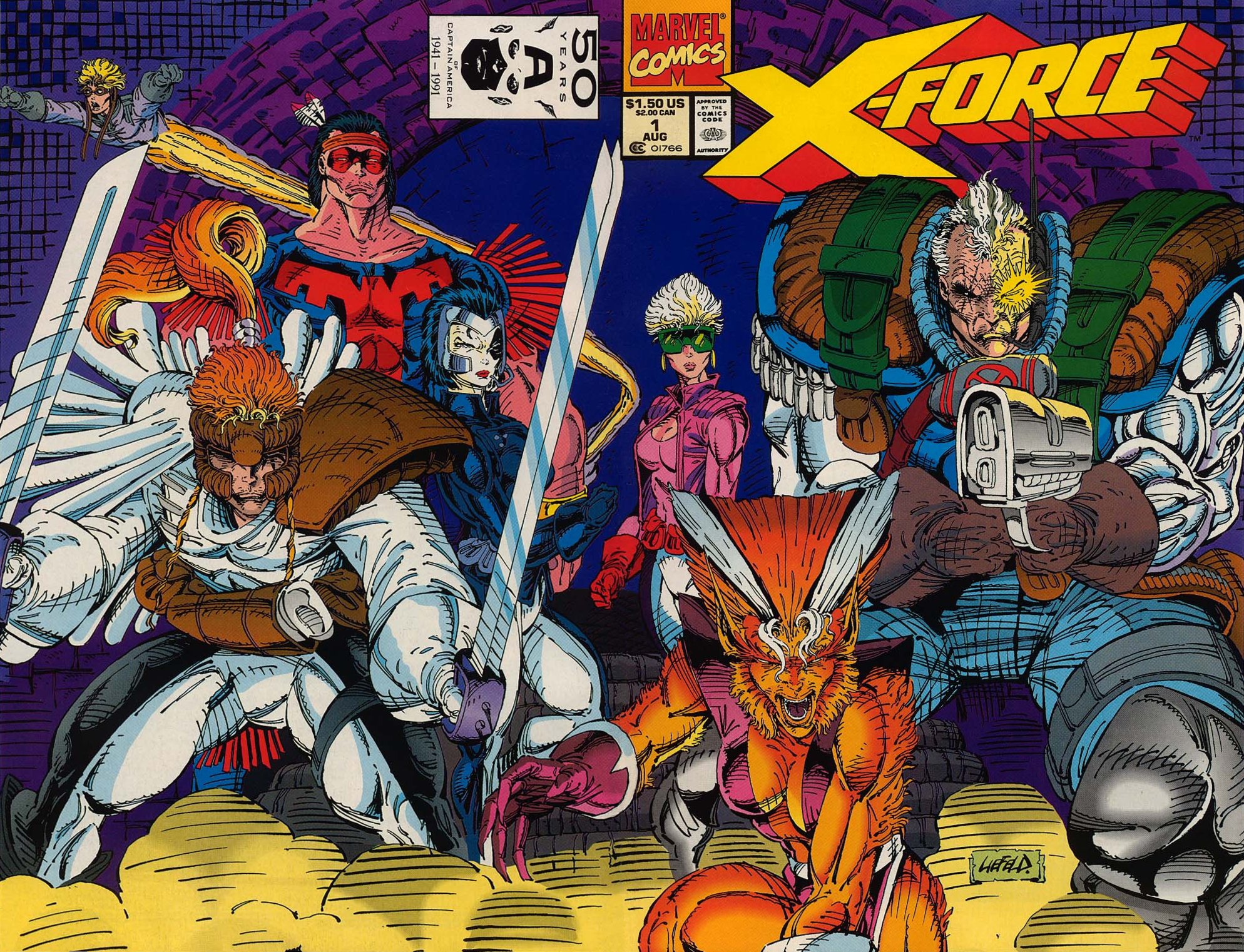
With Michael Shannon the frontrunner to play Cable in Deadpool 2, BossLogic shows us what that might look like (via ComicBook.com):

Whipped up a Michael Shannon version of #cable for @ComicBook I’m happy with the short-list bring on the announcement 😀 @robertliefeldpic.twitter.com/43olsYGDuI

— BossLogic (@Bosslogic) March 23, 2017

Movie Parody of the Day:

Deadpool and friends do their own version of “Gaston” from Beauty and the Beast in this well-done musical spoof (via Geek Tyrant):

[embedded content]

Cast Reunion of the Day:

See how well everyone from Love, Actually has aged in this TV spot for the short sequel Red Nose, Actually (via IndieWire):

[embedded content]

Movie Link of the Day:

Now that Rogue One is on video, someone connected its end seamlessly to the beginning of the first Star Wars (via Geekologie):

[embedded content]

Vintage Image of the Day:

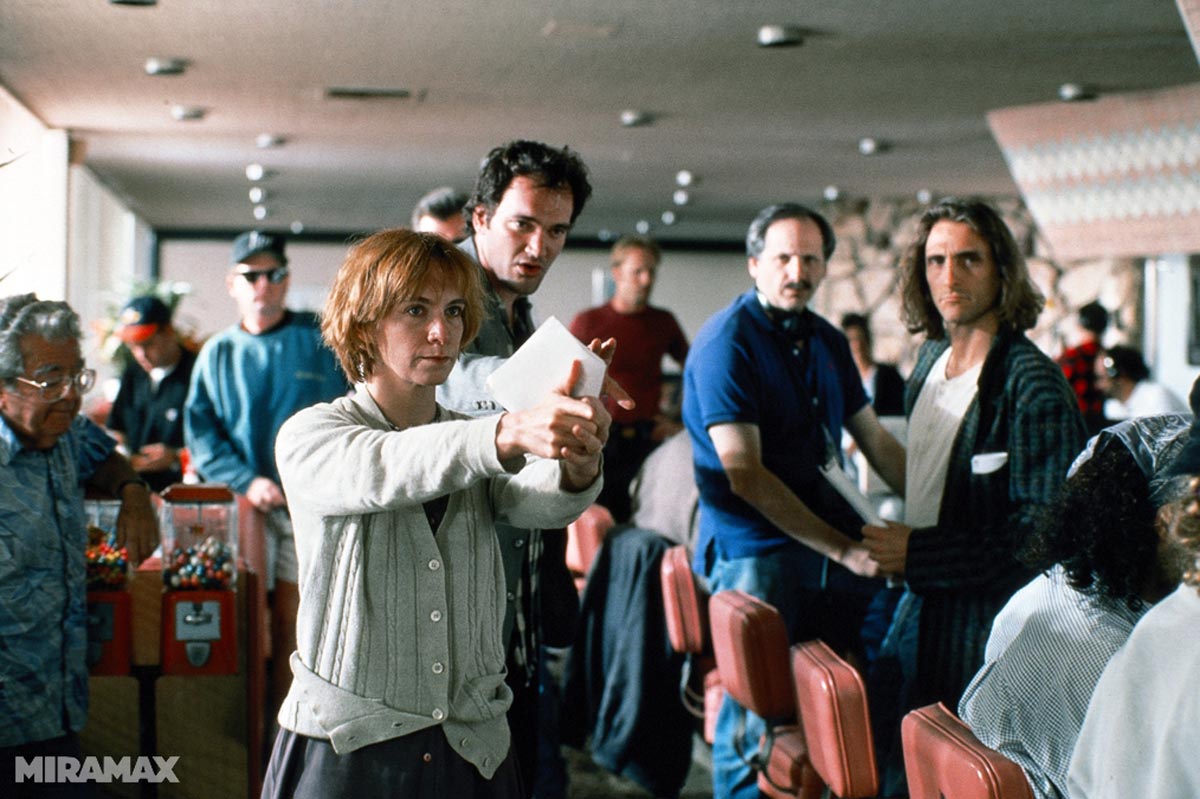
Amanda Plummer, who turns 60 today, gets direction from Quentin Tarantino on the set of Pulp Fiction in 1993:

Filmmaker in Focus:

Today is also Akira Kurosawa’s birthday (he would be 107 if still alive), so here’s a look at his later color films in a video by Philip Brubaker for Fandor Keyframe:

[embedded content]

Movie Science of the Day:

In honor of the new Power Rangers movie, Kyle Hill scientifically explains why Rita Repulsa’s staff might be more destructive than her monsters:

[embedded content]

Movie Comparison of the Day:

Also, Couch Tomato shows 24 reasons why the old Mighty Morphin Power Rangers movie is the same as Teenage Mutant Ninja Turtles: Out of the Shadows:

[embedded content]

Movie Trivia of the Day:

One more for Power Rangers, here’s some more trivia about the franchise from ScreenCrush:

[embedded content]

Classic Trailer of the Day:

This week is the 20th anniversary of the release of Selena starring Jennifer Lopez. Watch the original trailer for the classic biopic below.

[embedded content]

and

Let’s block ads! (Why?)


No Image

House Postpones Vote On Republican Health Care Bill

Republican leaders are trying to bridge the divide on their bill to alter the Affordable Care Act. NPR’s Ron Elving explains the options available to them, and the potential consequences of failure.

KELLY MCEVERS, HOST:

And to help us understand what’s happening on Capitol Hill tonight, I am joined by NPR’s Ron Elving. Hello there, Ron.

RON ELVING, BYLINE: Good to be with you, Kelly.

MCEVERS: So tonight the president threatened that if the House does not vote on this tomorrow and does not pass their own health care bill, that he is going to move on and leave Obamacare in place. How serious a threat is that do you think?

ELVING: It sounds pretty serious. It is certainly an escalation in the war of words over all this. But you know, if you’ve read “The Art Of The Deal,” you know that Donald Trump is not averse to the art of the bluff. So we don’t know. Would he really be willing to walk away from the entire issue of health care and the entire promise that he made and the entire Republican Party has been making for the last seven years to repeal Obamacare and replace it? One wonders.

MCEVERS: I mean what are the options right now for House Speaker Paul Ryan to get this thing done?

ELVING: It looks as though the plan, since the president has sent Mick Mulvaney, former House member and now the OMB director, director of the president’s budget office…

MCEVERS: Right.

ELVING: …To say on his behalf, OK, we’re done negotiating. We’ve got a deal as far as we’re concerned. You guys vote on it tomorrow. And it appears to be stripping out the essential health benefits package – this is 10 things that include maternity care and so on – saying, no longer will that be required. That will be up to individual consumers and insurance companies to negotiate. They get rid of that. That lowers costs, and that makes them happy perhaps. Although, they’re still asking for an ironclad guarantee that people’s premiums will go down – a tough one.

And if they are happy – if the House Freedom Caucus is happy and you get those last 25, 30 people on board, then the moderates probably will get rolled tomorrow, and they will actually pass something if all those things are true and if the moderates are rolled. And then they’ll go to the Senate, which will not consider the bill in its current form. It will not consider a bill without the essential health benefits package.

MCEVERS: Right, right. So in order to get this passed the House, they’re going to pass a thing that the Senate will very likely not pass. That’s what’s going on. So if you’re President Trump, like, what’s your calculus then?

ELVING: Calculus is that once you’ve gotten a bill through the House, there’s just one more chamber to go. And even if they pass something quite different – distinctly different, then you come back to the House and say, you have to conference with the Senate. You guys get together in a big conference committee. Everything’s on the table. Nothing is set in stone until everything is agreed upon.

You negotiate that out with a lot of help from the White House, no doubt. And then we’ll take it back to both chambers and twist some arms and incentivize people and threaten to walk away and say we’re going to stick you all with Obamacare and say whatever you need to say to get the deal done sometime – weeks, months – from now but before August recess if at all possible.

MCEVERS: Right, so the way things usually get done in Washington then, yeah.

ELVING: That would be true, especially when you’re moving a sixth of the national economy and changing something that has been such an emblem for the Republican Party and for the Trump candidacy.

MCEVERS: Let’s talk about if this fails in the House. I mean what are the consequences for Paul Ryan if that happens?

ELVING: That is a stickier proposition. Paul Ryan has really invested all of his speakership in getting this done and done in the way that he wants to have it done. He has brought to this all his intellectual energy, all the things he has tried to do as a member of Congress, as chairman of the Ways and Means Committee. He is all in on this bill. If they can’t get it through the House, they will have to go back to the drawing board and try further maybe without a lot of help from the president. Maybe that will be a facilitator. Maybe it will be a deal killer.

But if the bill goes down tomorrow – and I’m not saying that it will. If the bill goes down tomorrow, then Paul Ryan is really left with few options of any kind, let alone any good ones. And he may actually have to truly start over from scratch and push this whole issue down the road months and try to turn to something else like tax reform.

MCEVERS: That’s NPR’s Ron Elving talking about what’s going on in Capitol Hill tonight with the Republicans’ health care plan. Thank you so much, Ron.

ELVING: Thank you, Kelly.

Copyright © 2017 NPR. All rights reserved. Visit our website terms of use and permissions pages at www.npr.org for further information.

NPR transcripts are created on a rush deadline by Verb8tm, Inc., an NPR contractor, and produced using a proprietary transcription process developed with NPR. This text may not be in its final form and may be updated or revised in the future. Accuracy and availability may vary. The authoritative record of NPR’s programming is the audio record.

Let’s block ads! (Why?)


No Image

State Department Set To Certify Keystone XL Pipeline Is In National Interest

President Trump signed an executive order on Jan. 24, supporting construction of the Keystone XL pipeline. A U.S. official says the State Department is ready to give its approval.

Evan Vucci/AP

hide caption

toggle caption

Evan Vucci/AP

The State Department will approve the controversial Keystone XL oil pipeline, a U.S. official tells NPR. That will set the stage for President Trump to reverse a decision former President Barack Obama made in 2015 to reject the project.

Four days after Trump was sworn into office he invited TransCanada to resubmit its application for the pipeline. Trump also directed the State Department to make its national-interest determination within 60 days. That deadline is Monday.

A U.S. official tells NPR the State Department will find that building the pipeline is in the national interest. Secretary of State Rex Tillerson was CEO of ExxonMobil and recused himself from the review. Undersecretary for Political Affairs Tom Shannon will sign the determination.

The proposed pipeline is controversial because of the oil it would transport. It’s designed to move crude from Canada’s oil sands in Alberta, south to the U.S. Gulf Coast where it could be refined or exported. Environmentalists oppose oil sands because producing it requires additional processing that emits more pollution.

“The same communities who defeated this pipeline before — Indigenous leaders, landowners, farmers, and grassroots activists — are ready to fight again,” says 350.org Executive Director May Boeve.

That fight is expected to take place in states the pipeline would travel through, especially in Nebraska where some landowners and environmentalists have led a years-long legal battle to stop the pipeline.

The oil industry and some labor unions have supported the pipeline, largely for the thousands of construction jobs the project would provide. But those jobs are temporary. Once built the State Department has estimated the pipeline will employ about 35 people.

Let’s block ads! (Why?)


No Image

NCAA Tournament's Sweet 16 Showdowns Set To Begin

The men and women’s NCAA College Basketball tournaments are down to the Sweet 16. The men take the court Thursday night, and the women play on Friday.

KELLY MCEVERS, HOST:

March Madness is back after a few days off. The Sweet 16 starts tonight with four games in the NCAA Men’s Division I basketball tournament. And tomorrow the women start their round of 16. NPR’s Tom Goldman is with us now to talk about this. Hello.

TOM GOLDMAN, BYLINE: Hello, Kelly.

MCEVERS: All right, so let’s start with the men. We’re down to the final 16 teams.

GOLDMAN: Yes.

MCEVERS: Is there a clear favorite?

GOLDMAN: Kelly, there is not, and that’s what makes this exciting. You have three No. 1 seeds left. Kansas, by virtue of a 20-point win in its last game, appears to be the strongest of the bunch, but the Jayhawks play a good, big Purdue team tonight. And when I say big, I mean it. Purdue has 6-9 Caleb Swanigan. He’s a finalist for the national player of the year. Add to that 7-foot-2 center Isaac Haas, and that is a lot for the talented Kansas players to get around and over.

But it is such a competitive tournament. It’s not far-fetched to think that Wisconsin could win it all or Baylor or UCLA or – stop me before I name all 16 teams.

MCEVERS: (Laughter).

GOLDMAN: Some (laughter) obviously have a better chance, but it is pretty wide open.

MCEVERS: Well, there’s got to be some interesting underdogs in all this. I know the one you want to talk about is Michigan.

GOLDMAN: Sure. Michigan has a rather interesting story that many people have heard about. A couple of weeks ago on their way to the Big Ten tournament in Washington, D.C., their airplane aborted a takeoff and skidded off the runway in Michigan. Everyone on the team was fine. One of the players had a few stitches in his knee.

But since that incident, Michigan swept its four games on the way to the Big Ten tournament title, and Michigan has won two games in this tournament. Now the popular assumption is that the accident was this catalyst that brought the team together…

MCEVERS: Oh.

GOLDMAN: …Made them unbeatable. In fact, you know, after a not-so-great regular season, Michigan started rolling at the end. They won six of their final eight regular season games. And really the team has built on that momentum.

I asked Kevin Santo – he covers the team for the school newspaper. I asked him about the impact of the plane accident, and he said, if anything, it’s made them a tighter group. But they already were pretty tight-knit, and they were winning when the incident happened. Tonight Michigan plays Oregon, and it really is a toss-up who’s going to win that game.

MCEVERS: Let’s talk about the women now. Of course there is UConn…

GOLDMAN: Yes.

MCEVERS: …Which hasn’t lost a game since 2014.

GOLDMAN: Yeah.

MCEVERS: Does it hurt the tournament when it seems everyone else is playing for second place?

GOLDMAN: (Laughter) Well-put. Some say it does, but for those who watch the women’s tournament closely, there is no shortage of excitement and a lot of it in the Pacific Northwest. You’ve got both Oregon and Oregon State in the Sweet 16. Oregon State is not a surprise. Oregon State got to the Final Four last season.

But Oregon is a surprise. The Ducks upset Duke to get to the Sweet 16. They have a bunch of freshmen who are playing great. And then you’ve got the sublime Kelsey Plum from Washington. She’s the nation’s top scorer. We will see if Mississippi State can slow her down in a Sweet 16 game tomorrow night.

MCEVERS: Is there any chance that any team could beat UConn this year?

GOLDMAN: There’s always a chance of anything happening I suppose.

MCEVERS: Yeah.

GOLDMAN: There are a few teams that could. One of them – a No. 1 seed Notre Dame, though, is dealing with the loss of its best player. Top scorer and rebounder Brianna Turner is out of the tournament after a knee injury she suffered in Notre Dame’s last game. It’s devastating for her and the team. We’ll see how they do without her.

But even if Notre Dame can push through this adversity, get to the Final Four and even the title game, they would most likely face Connecticut, which, by the way, has won its first two games of this tournament by an average of 45-and-a-half points.

MCEVERS: Wow. That’s NPR’s sports correspondent Tom Goldman. Thank you very much.

GOLDMAN: You’re welcome, Kelly.

(SOUNDBITE OF GORDON JAMES SONG, “CARAVAN”)

Copyright © 2017 NPR. All rights reserved. Visit our website terms of use and permissions pages at www.npr.org for further information.

NPR transcripts are created on a rush deadline by Verb8tm, Inc., an NPR contractor, and produced using a proprietary transcription process developed with NPR. This text may not be in its final form and may be updated or revised in the future. Accuracy and availability may vary. The authoritative record of NPR’s programming is the audio record.

Let’s block ads! (Why?)


No Image

Today in Movie Culture: 'Rogue One' Compared to 'Star Wars,' a Perfect 'Logan' Post-Credits Scene and More

Here are a bunch of little bites to satisfy your hunger for movie culture:

Movie Comparison of the Day:

See how similar Rogue One is to the first Star Wars in this side-by-side shot comparison by Zackery Ramos-Taylor:

[embedded content]

Alternate Ending of the Day:

If Logan had a post-credits sequence, it could have been like this excellent fan-made stinger starring Deadpool and our wishes for a crossover between him and Wolverine:

[embedded content]

Fan Theory of the Day:

Speaking of Logan, MatPat offers a theory on why Wolverine is really dying in the movie in the latest edition of Film Theory:

[embedded content]

Movie Trivia of the Day:

With T2: Trainspotting now in theaters, check out some trivia about the original movie from ScreenCrush:

[embedded content]

Cosplay of the Day:

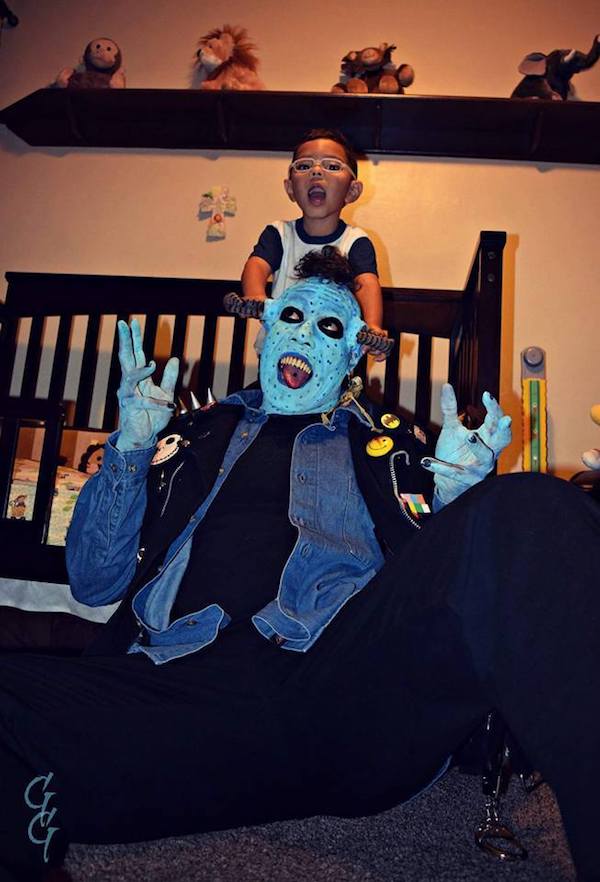
Everyone remembers Little Monsters, right? Regardless, this Little Monsters cosplay is fantastic (via Fashionably Geek):

Reworked Movie of the Day:

Kristen Stewart and Breaking Dawn director Bill Condon are big deals in theaters right now, so here’s a trailer for Twilight if it was a goofy comedy:

[embedded content]

Vintage Image of the Day:

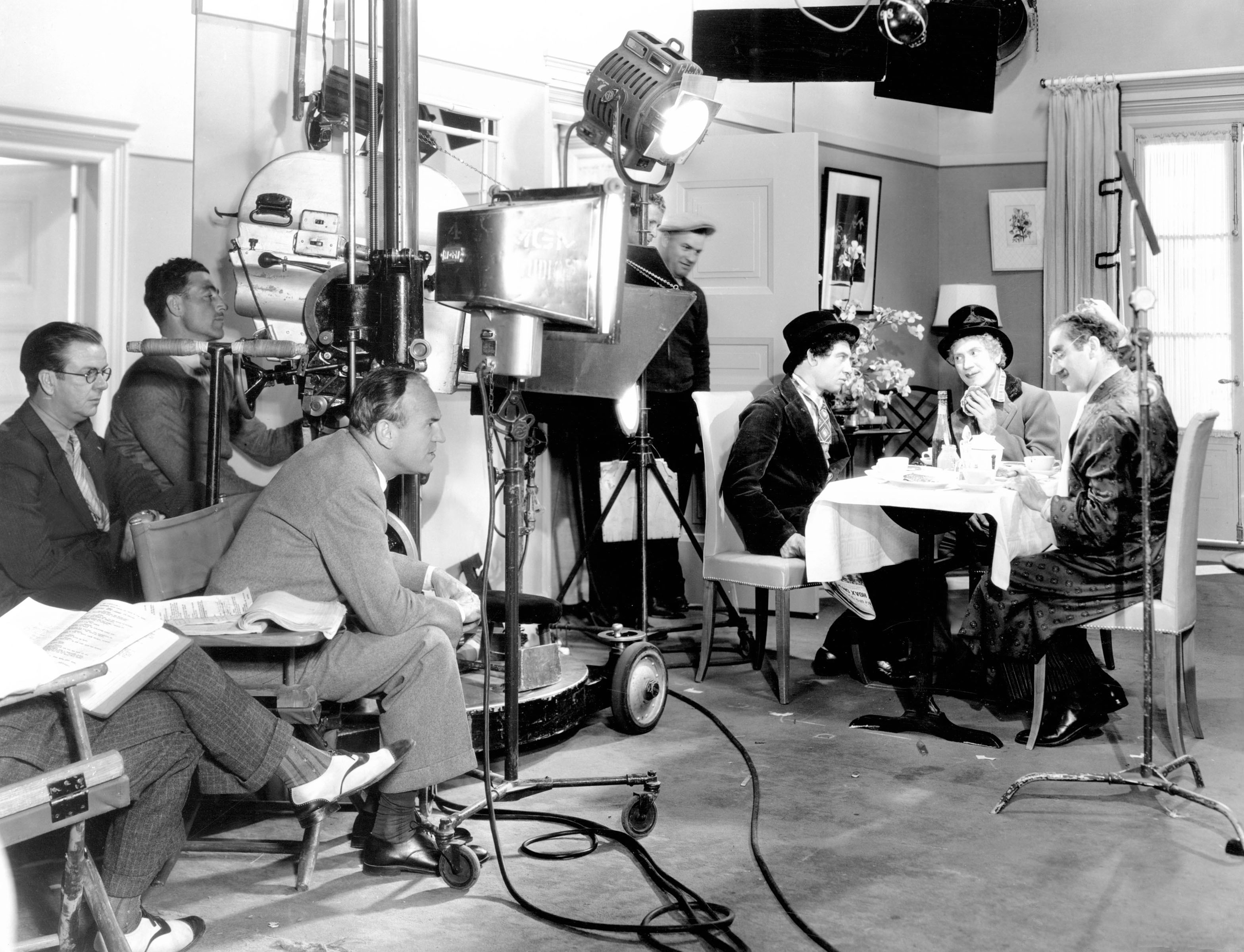
Chico Marx, who was born on this day in 1887, with brothers Groucho and Harpo under direction from Sam Wood on the set of A Night at the Opera in 1935:

Filmmaker in Focus:

This video essay looks the movies of Steven Spielberg with focus on how he uses light for both wonder and terror:

[embedded content]

Supercut of the Day:

Editor Elizabeth McCauley compiled scenes of people drinking milk in the movies. Obviously A Clockwork Orange is in there.

[embedded content]

Classic Trailer of the Day:

Today is the 15th anniversary of Guillermo del Toro’s Blade II. Watch the original trailer for the superhero movie sequel below.

[embedded content]

and

Let’s block ads! (Why?)


No Image

Team USA Finally Proves World's Best, Crushing Puerto Rico 8-0 In Classic Final

United States’ Ian Kinsler watches his two-run home run against Puerto Rico on Wednesday during the third inning of the final of the World Baseball Classic in Los Angeles.

Mark J. Terrill/AP

hide caption

toggle caption

Mark J. Terrill/AP

It may be considered the national pastime, but in the first three World Baseball Classics the United States was far from dominant, with Japan winning twice and the Dominican Republic winning once. The Americans went 10-10 over the course of those tourneys and had never finished better than fourth — until this year.

But facing a Puerto Rican team they’d lost to less than a week ago, the United States left no room for doubt Wednesday, cruising to an 8-0 win and the World Baseball Classic title. It was the most lopsided title game so far in the four runs of the tournament.

Toronto Blue Jays pitcher Marcus Stroman pitched six strong innings, giving up just one hit and one walk while striking out three. Second-baseman Ian Kinsler of the Detroit Tigers started the scoring with a two-run homer in the third inning, and Pittsburgh Pirates outfielder Andrew McCutchen and San Francisco Giants shortstop Brandon Crawford each batted in two runs as well.

Puerto Rico managed just three hits against the Americans — two by former Giants outfielder Angel Pagan — and struck out six times. Starting pitcher Seth Lugo of the New York Mets gave up four runs in five innings to take the loss.

It was a tough loss for Puerto Rico, which also made the title game of the quadrennial event in 2013 but failed to score a run, losing 3-0 to the Dominicans. The team became beloved on the island during its run, with the players’ decision to bleach their hair mimicked by many fans at home, leading to shortages of the treatment.

Fans gather Wednesday in the street in San Juan, Puerto Rico, to watch the World Baseball Classic final match between Puerto Rico and the United States. Puerto Rico’s team reached the final game of the tournament undefeated.

Carlos Giusti/AP

hide caption

toggle caption

Carlos Giusti/AP

Let’s block ads! (Why?)