
A South African Superstar Says Farewell

Johnny Clegg co-founded two important, interracial bands, and became an essential voice in South Africa. Now, he’s embarking on a farewell tour after being diagnosed with pancreatic cancer.
Fiona Macpherson/Courtesy of the artist
hide caption
toggle caption
Fiona Macpherson/Courtesy of the artist
Well before Paul Simon’s “Graceland” came along, a white musician from South Africa named Johnny Clegg was already breaking apartheid laws and celebrating Zulu culture. He co-founded two important, interracial bands, and became an essential voice in his country. But two years ago, he was diagnosed with pancreatic cancer, and he’s on a farewell U.S. tour that he’s calling “The Final Journey.”
Johnny Clegg is 64 years old. He’s in remission now, but he has a very aggressive form of cancer. “I’ve come out of my second chemo in February,” he says. “In March, I just said to my management, you know, if there was a time to wrap up my affairs while I’m feeling pretty strong and good, it would be now.”
For his current tour, he’s playing a retrospective of a career that’s spanned four decades. Clegg’s life — and music — have moved in parallel to the currents of South Africa’s history. His song “Asimbonanga,” written in honor of Nelson Mandela, became an anthem for South Africa’s freedom fighters.
Clegg was born in England, the child born of a brief relationship between an English man and a female jazz singer from Zimbabwe (which was called Southern Rhodesia at the time). Clegg spent his early childhood in Zimbabwe; when he was 7, his mother remarried to a South African crime reporter. Soon after, the family moved north to Zambia for a couple of years, before settling in Johannesburg. “I went to six schools in five years in three different countries,” he observes.
It was in Johannesburg that Johnny — then just a young teenager — fell in love with Zulu culture and music.
“I stumbled on Zulu street guitar music being performed by Zulu migrant workers, traditional tribesmen from the rural areas,” he recalls. “They had taken a Western instrument that had been developed over six, seven hundred years, and reconceptualized the tuning. They changed the strings around, they developed new styles of picking, they only use the first five frets of the guitar — they developed a totally unique genre of guitar music, indigenous to South Africa. I found it quite emancipating.”
He started taking lessons in that local style. “The chap who taught me was an apartment cleaner around the corner from where I lived, and then I bought a cheap steel-string guitar. And I was on my way.”
His guitar teacher introduced him around, in places where he probably wouldn’t have been welcomed if he’d been a white man. But the teenage Clegg was really just a kid.
“He took me into these areas of backstreet Johannesburg, where the migrant laborers would hang out,” Clegg says, “in the industrial side of the city, which wasn’t really that well policed. We went around the migrant labor hostels, where somewhere between 1,000 and 2,000 black, male-only itinerant workers could live and pay rent for a bed.”
The hardscrabble hostels were the center of life for these itinerant workers. “The hostels were these military barracks-like structures,” Clegg explains, “with 20 beds in a open-plan room: open-plan kitchen, open-plan showers, toilets, all that stuff. It was a very tough, hard life. People struggled and competed to get a bed, because if you got a bed, you got a bed number — which it meant that you could get a job, and if you had a job, you could be legal for 11 months of the year in Johannesburg.”
The hostels were raided at least once a month by the police, Clegg says. “You never knew when they were coming. And the hostels were also monitored by the municipal police, the ‘Blackjacks,’ who were basically there to prevent prostitution.”
But on the weekends, Clegg says, those migrant workers treated themselves to little tastes of home around the hostels. And Clegg fell in love with their Zulu culture.
“This incredible, tribal carpet would be thrown out into the streets,” he says, “and dance teams, diviners, herbalists — practitioners of various different tribal aspects of life — would ply their wares sitting on pieces of cardboard on them on the sidewalk.”
Clegg fell in love with Zulu dancing, just as much as with the music, and dancing opened up a whole new channel of being for Clegg. “It was like capoeira, or martial arts, to music,” he explains. “You kick high, and you stamp the ground, which is symbolically delivering a blow to an enemy or receiving a blow and how you would recover. So it’s a kind of warrior theater.”
Clegg says that those Zulu men dancing taught him — as a teenager trying to figure out his place in the world — what it meant to be a man. “The body was coded and wired — hard-wired — to carry messages about masculinity which were pretty powerful for an adolescent boy,” he observes. “They knew something about being a man, which they could communicate physically in the way that they danced and carried themselves. And I wanted to be able to do the same thing. Basically, I wanted to become a Zulu warrior. And in a very deep sense, it offered me an African identity. It was like a homecoming for me; I don’t know why, but I felt that.”
Clegg was only 15 when he first got into trouble with the authorities for mixing with blacks. “I was arrested for trespassing and for breaking the Group Areas Act. The police said, ‘You’re too young to charge. We’re taking you back your parents.'”
His mother opened the family’s front door. “I was standing between two policemen,” Clegg recounts, “and they said, ‘Listen, your son was inside a hostel. We only go in there armed with guns. Every weekend, there are dead bodies coming out, with tribal fighting and longstanding clan wars going back 50 years. They’re competing for scarce resources in there, there’s lots of crime, there’s stolen goods — it’s not a place for a 15-year-old white boy to be hanging out.'”
Initially, Clegg’s mother told him he couldn’t go back. But he was not to be deterred.
“I got the dance leader there, a 68-year-old chap who was a very famous dance leader at the hostel, to come to my flat and to meet my mom,” he says. “He brought his two lieutenants with him and they sat there, they chatted and he said, “Once he’s through the gates and he’s with us, he’s fine. Nothing will ever happen because we are all going there to dance.”
And so, he went back — over and over again. “It was a very strong experience dancing in a hostel,” Clegg says. “The beds were pushed up against the walls, and 40 or so men would sit against the wall. To make space, they would open their legs and put somebody else sitting between their legs, and then the guy in front between his legs, and between his legs, and so on. You’d sit and you’d clap and sing. You basically had on nothing more than car-tire sandals and long pants. There was a very powerful male odor, sweat, deep male vocals. When you’re sitting inside there — it’s the most powerful experience I had ever experienced.”
One of his dancing connections became one of the longest artistic collaborators of his career. “I met Sipho Mchunu, who became my partner in Juluka,” Clegg recalls, ” and we played traditional maskanda guitar music for about six or seven years. I also joined his dance team.”
Johnny and Sipho initially performed as a duo for years. “Sipho and I, we couldn’t play in public,” Clegg explains, “so we played in private venues, schools, churches, university private halls. We played a lot of embassies. We played a lot of consulates.”
The two started thinking about how they could combine Zulu music with sounds from elsewhere, Clegg says.
“I was exposed to Celtic folk music early on,” he recounts. “I never knew my dad, who was from England, and music was one way which I can connect with that country. I liked Irish, Scottish and English folk music. I had a lot of tapes and recordings of them. And my stepfather was a great fan of pipe music. On Sundays, he would play an LP of the Edinburgh Police Pipe Band.”
Clegg started hearing connections between the rural music of South Africa’s Natal province — the music that he was learning from his black friends and teachers — and the sounds of Britain. “I sometimes heard traditional Zulu war songs in a minor key. And I could hear Celtic melodies. I could hear rhythms. I could hear 6/8 meter.” Clegg pauses in his story to demonstrate a rhythm that could easily accompany a Scottish reel, but when he starts singing, it’s in Zulu.
“It was ridiculous,” he says of the similarities. “So I thought, ‘There’s a conversation here to be had.'”
That conversation led Clegg and Mchunu to found the band Juluka — which means “Sweat” in Zulu.
“I had no commercial or artistic aspirations to become a performer or anything,” Clegg avers. “I was like a musicologist, in a way. I was full of the music — I was bursting. I just wanted to get a recording.”
In the meantime, Clegg had become a professor of anthropology at the University of the Witwatersrand in Johannesburg; Mchunu was working as a gardener. Nevertheless, they started shopping an album to record labels. There were no takers — back then, South African radio was strictly segregated, and no one thought an album that was partly in Zulu and partly in English would find an audience. Clegg says that their songs’ subject material wasn’t setting off any sparks with record producers, either.
“You know, ‘Who really cares about cattle? You’re singing about cattle. You know we’re in Johannesburg, dude, get your subject matter right!'” he says of the reactions Juluka initially got from record labels. “But I was shaped by cattle culture, because all the songs I learned were about cattle, and I was interested. I was saying, ‘There’s a hidden world. And I’d like to put it on the table.'”
“I couldn’t get anybody to sign it, though,” Clegg says. “I just hopped it around, and hopped it around, and eventually, I landed at the Gramophone Record Company, which was a subsidiary of CBS [in South Africa]. There was a chap there whose name was Hilton Rosenthal. And he said, ‘You know what, this is very interesting. This is not going to get radio play or anything, but it’s interesting as a documentary, a recording of what’s going on now.'”
Rosenthal signed Juluka to his independent label. In 1979, its first album, Universal Men, was released. Within a few years, this most unlikely band had managed to score a hit in the U.K. with the song “Scatterlings of Africa.” They were offered a tour of Europe and North America. Clegg and Mchunu both resigned from their jobs, and hit the road.
Eventually, Mchunu decided that he had tired of life as a professional musician. He hated Johannesburg and city living; he longed to go home to his native region of Zululand to raise cattle. “It was really hard for Sipho,” Clegg recalls. “He was a traditional tribesman. To be in New York City on tour, not speaking English that well — there were times when I think he felt he was on Mars. And after some grueling tours, he said to me, ‘I gave myself 15 years to make it or break it in Joburg, and then go home.’ So he resigned, and Juluka came to an end — but I was still full of the fire of music and dance. And so I took the dancer from Juluka and the drummer and myself, and then that just took off.”
That band was Savuka — which means “We Have Risen” in Zulu. “Savuka was launched basically in the state of emergency in South Africa, in 1986,” Clegg observes. “You could not ignore what was going on. The entire Savuka project was based in the South African experience and the fight for a better quality of life and freedom for all.”
A lot of Savuka’s songs were restricted or banned in South Africa. But eventually, they were embraced. The song “One Human, One Vote” was released in 1989, the year the country held its first universal election. As much as those songs were rooted in a very particular time and place, though, Clegg believes that the messages were timeless. “I think the music that we made at the time has that universal appeal,” he says, “because you can go to the songs and you can hear the echoes of thousands of struggles that happened over centuries.”
After Savuka disbanded, Johnny Clegg went solo. In 2015, Queen Elizabeth made him an Officer of the Order of the British Empire. He’s writing his autobiography, and he’s just released a new album called King Of Time. He’s planning to compose some music for film, and thinking about a few collaborations. But he says this U.S. tour, which mixes songs and dancing with anecdotes about his journey, will be his last. “It’s a very bittersweet undertaking, to be honest with you,” he says.
Not long after the tour ends, Clegg plans to head home to South Africa. “The future is open-ended,” he muses. “I have my two sons. One is a musician, one’s a filmmaker. They’re up and running in the world. So my wife and I have an open road now — to do what we want to do.”
Just as Johnny Clegg has done for all of his life.
Game 4: Dodgers Outlast Astros To Tie Up World Series

Joc Pederson of the Los Angeles Dodgers celebrates hitting a three-run home run in the ninth inning.
Christian Petersen/Getty Images
hide caption
toggle caption
Christian Petersen/Getty Images
The Los Angeles Dodgers evened the stakes Saturday night, outlasting the Houston Astros in a drawn-out rally that quickly escalated into a 6-2 victory in the final inning.
The Dodgers’ Joc Pederson sealed the late comeback with a three-run homer off of Astros pitcher Joe Musgrove in the top of the ninth inning.
Remarkably, Game 4 remained scoreless all the way through the fifth inning, as Alex Wood completed a historic outing as the first Dodgers pitcher to carry his team through five World Series innings without allowing a hit. Meanwhile, the Astros’ Charlie Morton, who let in three hits, wasn’t far behind the starting pitcher. But Astros’ George Springer broke both the no-hit bid and the tie in the bottom of the sixth inning with a left-field homer.
Dodgers’ longest WS no-hit bids:
5+ Alex Wood 2017-4
4? Sandy Koufax 1963-1
4 Ralph Branca 1947-1
4 Carl Erksine 1953-3
4 Koufax 1965-5— Doug Kern (@dakern74) October 29, 2017
The Dodgers evened things up in the seventh inning as Cody Bellinger scored off of a single from teammate Logan Forsythe.
But it wasn’t until the top of the ninth that the Dodgers blasted ahead with five runs. The Astros took one run in the bottom but it wasn’t enough to recover.
Chatter leading up to Game 4 focused on Astros’ Yuli Gurriel who, just hours before Saturday’s game, escaped a World Series suspension for making a racist gesture toward Dodgers’ Yu Darvish in Game 3. MLB commissioner Rob Manfred did pull him out of a handful of games next season, but tonight, the first baseman received a standing ovation from a noticeable amount of Astros fans.
Game 5 is scheduled for Sunday night in Houston.
Racism Is Literally Bad For Your Health

Harvard professor David Williams says, “Much of this discrimination that occurs in the health care context, and in other contexts of society, may not even be intentional.”
Sarah Sholes/Courtesy of Harvard Chan
hide caption
toggle caption
Sarah Sholes/Courtesy of Harvard Chan
Most people can acknowledge that discrimination has an insidious effect on the lives of minorities, even when it’s unintentional. Those effects can include being passed over for jobs for which they are qualified or shut out of housing they can afford. And most people are painfully aware of the tensions between African-Americans and police.
But discrimination can also lead to a less obvious result: tangible, measurable negative effects on health. A new survey conducted by NPR, the Robert Wood Johnson Foundation and the Harvard T.H. Chan School of Public Health asked members of different ethnic and racial groups about their experiences with discrimination. Ninety-two percent of African-American respondents said they felt discrimination against African-Americans exists in the United States today, and at least half said they have experienced it themselves at work or when interacting with police.
All of this discrimination can literally be deadly, according to Harvard professor David Williams, who has spent years studying the health effects of discrimination.
He tells NPR’s Michel Martin: “Basically what we have found is that discrimination is a type of stressful life experience that has negative effects on health similar to other kinds of stressful experiences.”
Interview Highlights
On the health problems caused by day-to-day discrimination
The research indicates it is not just the big experiences of discrimination, like being passed over for a job or not getting a promotion that someone felt they might have been entitled to. But the day-to-day little indignities affect health: being treated with less courtesy than others, being treated with less respect than others, receiving poorer service at restaurants or stores. Research finds that persons who score high on those kinds of experiences, if you follow them over time, you see more rapid development of coronary heart disease. Research finds that pregnant women who report high levels of discrimination give birth to babies who are lower in birth weight.
On discrimination at the doctor’s office
Across virtually every medical intervention, from the most simple medical treatments to the most complicated treatments, blacks and other minorities receive poorer-quality care than whites. African-Americans who are college-educated do more poorly in terms of health than whites who are college-educated. And these racial differences in the quality and intensity of care persist for African-Americans irrespective of the quality of insurance that they have, irrespective of their education level, irrespective of their job status, irrespective of the severity of disease.
On how to start combating discrimination
Much of this discrimination that occurs in the health care context, and in other contexts of society, may not even be intentional. There is intentional discrimination, but we think the majority of the discrimination that occurs in the health care context is driven by what we call “implicit bias” or “unconscious unthinking discrimination.”
If I am a normal human being, I am most likely to be prejudiced. Why? Because every society, every culture, every community has in groups and out groups. And if there are some groups that you have been taught — just subtly, as you were raised — to think of negatively, you will treat that person differently when you encounter someone from that group, without any negative intention on your part, even if you possess egalitarian beliefs. That’s why you have to acknowledge that I and everyone else is a part of the human family, and these are normal human processes that occur, and the first step to addressing it is to acknowledge: “It could be me.”
NPR’s digital news intern Jose Olivares produced this story for digital.
Solar Industry Anxious Ahead Of Tariff Decision

A U.S. trade commission next week will recommend whether to impose tariffs on cheap solar panels from Asia. The industry is divided over whether trade protection would cost jobs or create them.
MELISSA BLOCK, HOST:
The U.S. solar industry is on edge, waiting to see whether the Trump administration will impose steep tariffs on foreign-made solar panels. Unease over the looming decision is already affecting the market. Will Stone of member station KJZZ in Phoenix reports that a trade commission is set to make its recommendations to the president in just a few days.
WILL STONE, BYLINE: To see just how far solar has come, take a climb to the top of parking structure number five in the heart of Arizona State University’s campus. There are rows of solar panels and, every few minutes, a rising hum.
(SOUNDBITE OF TRACKER HUM)
LEE FELICIANO: That was the tracker moving two degrees to follow the path of the sun.
STONE: When Lee Feliciano developed this back in 2008, it was one of the biggest solar projects in Arizona. And these panels came at a premium. Since then, a lot has changed.
FELICIANO: Ninety percent decline in the price of the solar panels over less than 10 years. And part of that is due to volume. Part of that is due to an expanding global market and, really, the entry of China.
STONE: Cheap solar panels from Asia have led to a booming industry across the U.S. But now Feliciano, whose company invests in such projects, worries possible trade protections could so much as double the price of imported panels.
FELICIANO: This tariff could hit us within the next couple of months. And so there’s that uncertainty right now with almost our entire pipeline.
STONE: This threat of a tariff started when two domestic manufacturers of solar panels lodged a complaint under U.S. trade law arguing the flood of imports has made it impossible for them to compete. Attorney Tim Brightbill represents one of those manufacturers, SolarWorld.
TIM BRIGHTBILL: In order to have a strong solar industry, you have to have a strong manufacturing industry.
STONE: Brightbill argues domestic solar panel makers can’t compete with foreign dumping and panels priced well below the cost of production. He says a trade protection will actually create jobs.
BRIGHTBILL: Solar demand is going to continue to grow. Solar installations will grow.
STONE: But that’s not what most of the industry believes. They say it would kill tens of thousands of jobs tied to installing solar, especially when it comes to building the largest facilities, known as utility-scale solar. That sector has grown nearly 70 percent each year since 2010.
MORTEN LUND: It’s all a big math problem.
STONE: Morten Lund is a San Diego-based attorney who represents renewable energy developers and says if panels suddenly double in price…
LUND: That’s a completely massive, game-changing increase. And so it’s not something you can just casually plan around.
STONE: And the fate of such projects under a tariff could rest on which state they’re planned for.
LUND: Where the big solar was or was about to be price-competitive with other types of electricity, it almost certainly will no longer be competitive at all.
STONE: But that all depends on what regulators recommend to President Donald Trump – a tariff, a quota or some combination – and then what he ultimately decides to do. Shayle Kann is the head of GTM Research.
SHAYLE KANN: The president has fairly wide leeway to implement whatever he so desires.
STONE: Given Trump’s tough talk on China and support of tariffs in general, the solar market is now in turmoil as companies wait to see what happens. For NPR News, I’m Will Stone in Phoenix.
(SOUNDBITE OF LOWERCASE NOISES’ “PASSAGE”)
Copyright © 2017 NPR. All rights reserved. Visit our website terms of use and permissions pages at www.npr.org for further information.
NPR transcripts are created on a rush deadline by Verb8tm, Inc., an NPR contractor, and produced using a proprietary transcription process developed with NPR. This text may not be in its final form and may be updated or revised in the future. Accuracy and availability may vary. The authoritative record of NPR’s programming is the audio record.
The Week in Movie News: 'Deathstroke' Director, Marvel Shorts, 'Dora' and More
Need a quick recap on the past week in movie news? Here are the highlights:
BIG NEWS
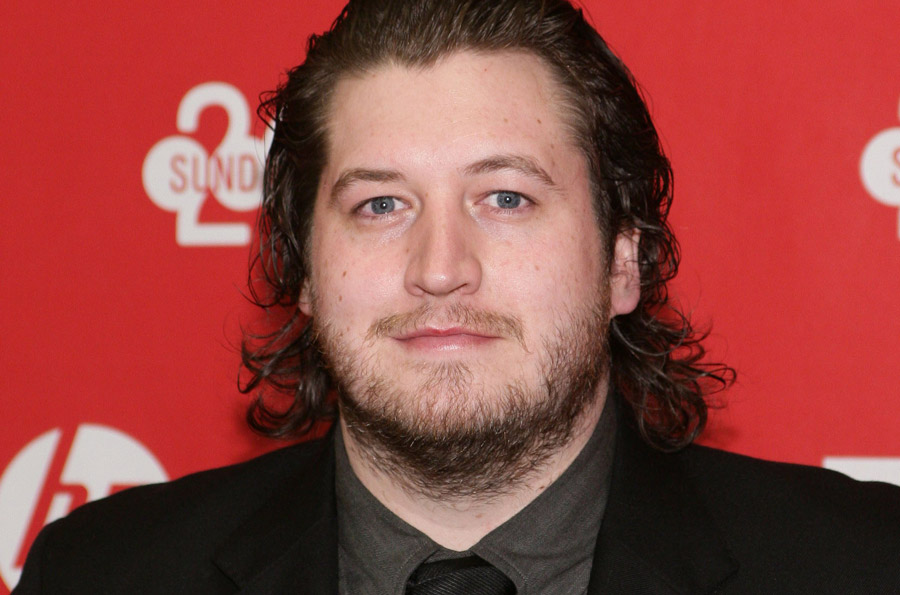
Gareth Evans will direct DC’s Deathstroke: Warner Bros. is moving forward with a solo feature for supervillain Deathstroke, who was once teased as being the big bad of The Batman. Especially exciting is that the brilliant action movie director Gareth Evans (The Raid) is in talks to take the helm. Read more here.
TERRIFIC NEWS
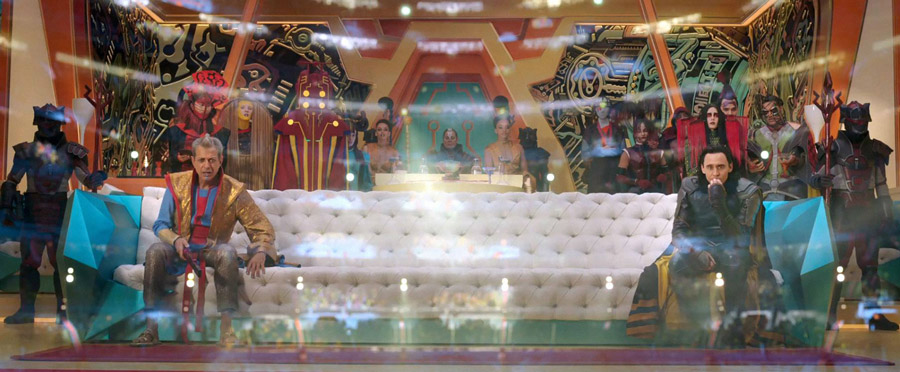
Thor: Ragnarok might spin off new Marvel One-Shot movies: In our own exclusive talks with Thor: Ragnarok director Taika Waititi, he revealed that we might see more of the alien characters Korg and Miek in a Marvel One-Shot short film. Meanwhile, Jeff Goldblum teased his own short involving his character, the Grandmaster. Read more here and here. And find more MCU news here and here.

SURPRISING NEWS
Michael Bay is producing a Dora the Explorer movie:The popular children’s cartoon series Dora the Explorer is heading to the big screen with Michael Bay producing and Nicholas Stoller (The Muppets, Neighbors 2: Sorority Rising) writing the script. Read more here.
COOL CULTURE
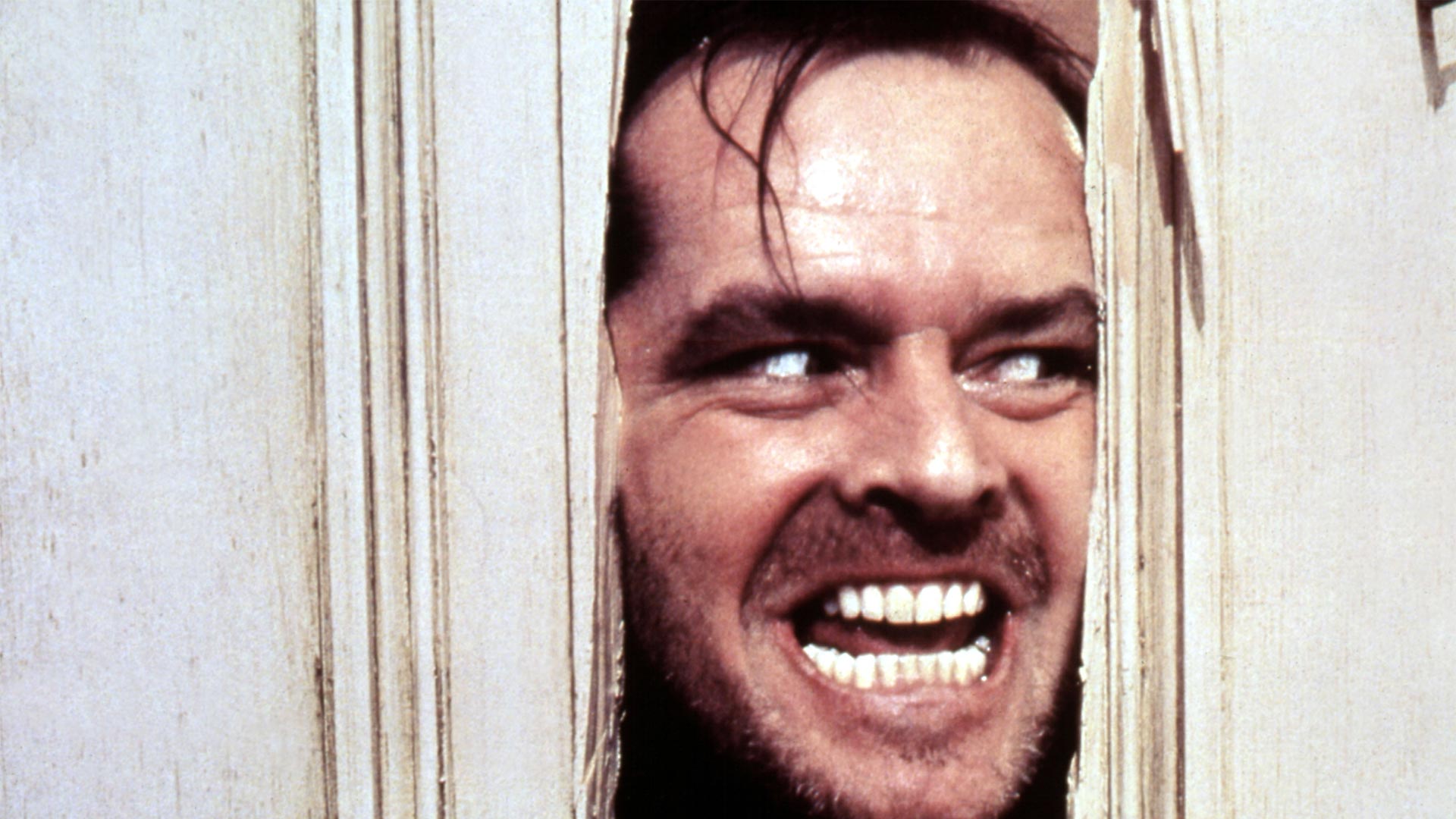
James Franco does The Shining: Universal Studios’ Halloween Horror Nights is thrilling fans this month in anticipation of the holiday, but many guests at the park unknowingly were scared by none other than James Franco in a Jack Nicholson mask from The Shining. Watch the secret cameo below.
[embedded content]
EXCLUSIVE BUZZ
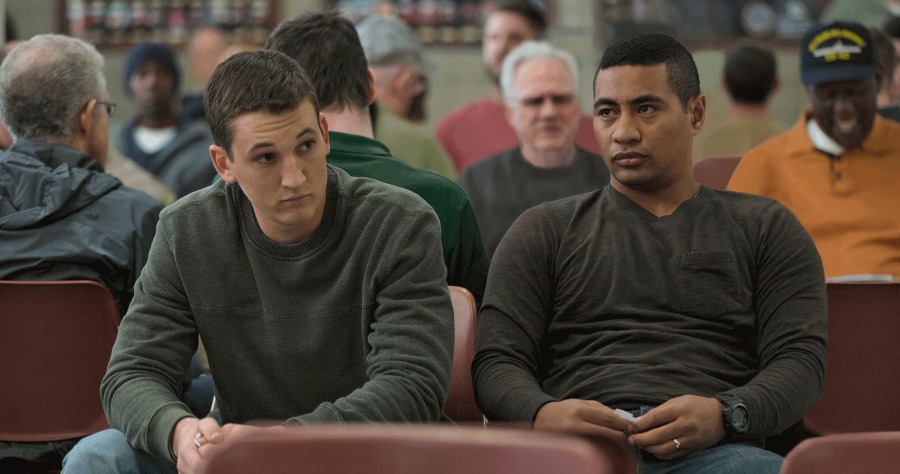
Jason Hall on Thank You For Your Service: We talked to Thank You For Your Service writer/director Jason Hall about Steven Spielberg’s involvement and how the new movie is a spiritual sequel to the Hall-scripted American Sniper. Read what he had to say here.

MUST-WATCH TRAILERS
Phantom Thread showcases Daniel Day-Lewis’s final performance: Paul Thomas Anderson is reunited with his There Will Be Blood star Daniel Day-Lewis in Phantom Thread, the first trailer of which debuted this week. And it looks like a great work for the retiring actor to bow out with. Watch it below.
[embedded content]
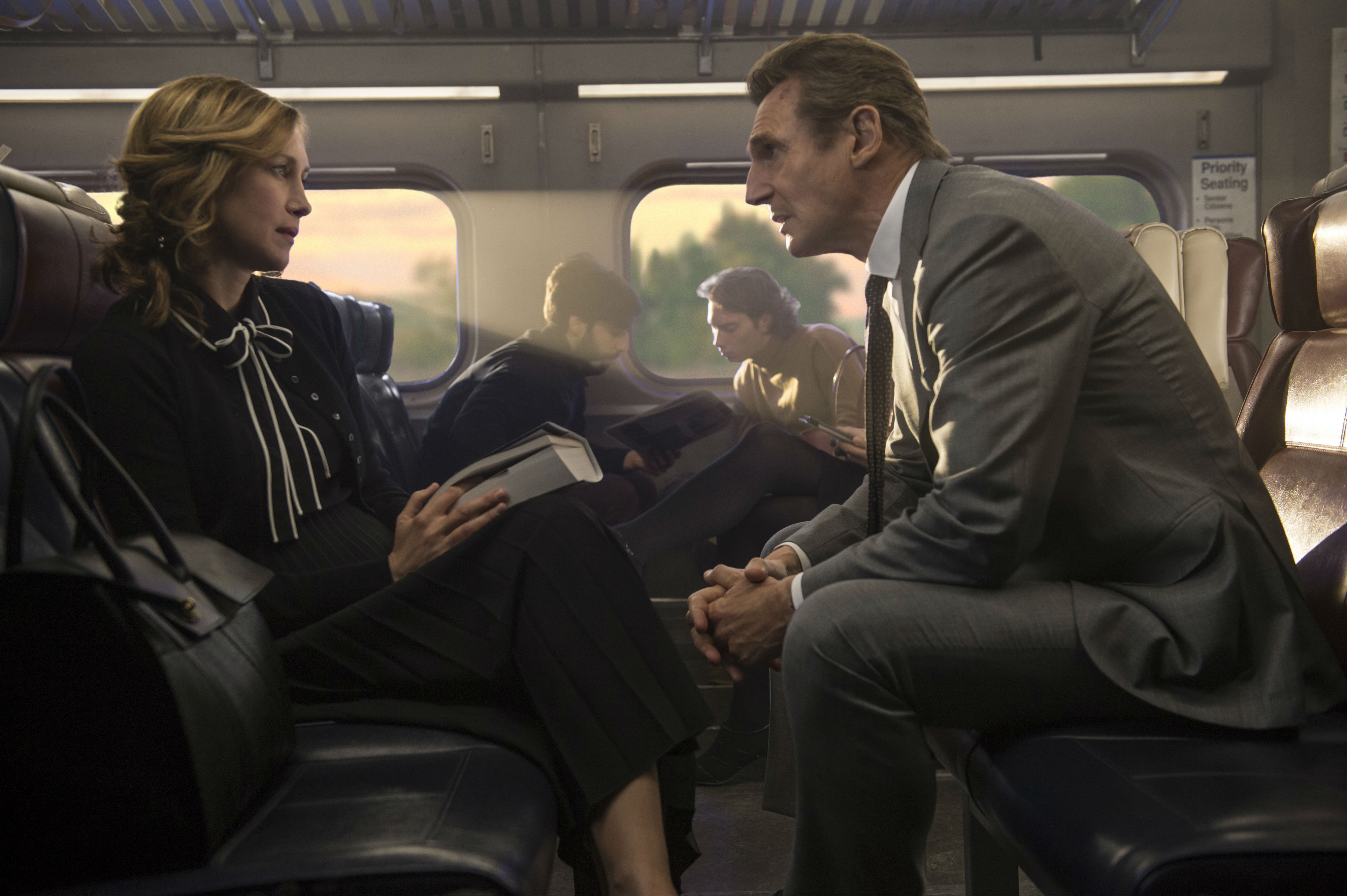
The Commuter offers an adrenaline rush: The first trailer for The Commuter arrived with a look at Liam Neeson’s latest action hero being forced into a dangerous situation on a speeding train. Check out the thrilling spot below:
[embedded content]
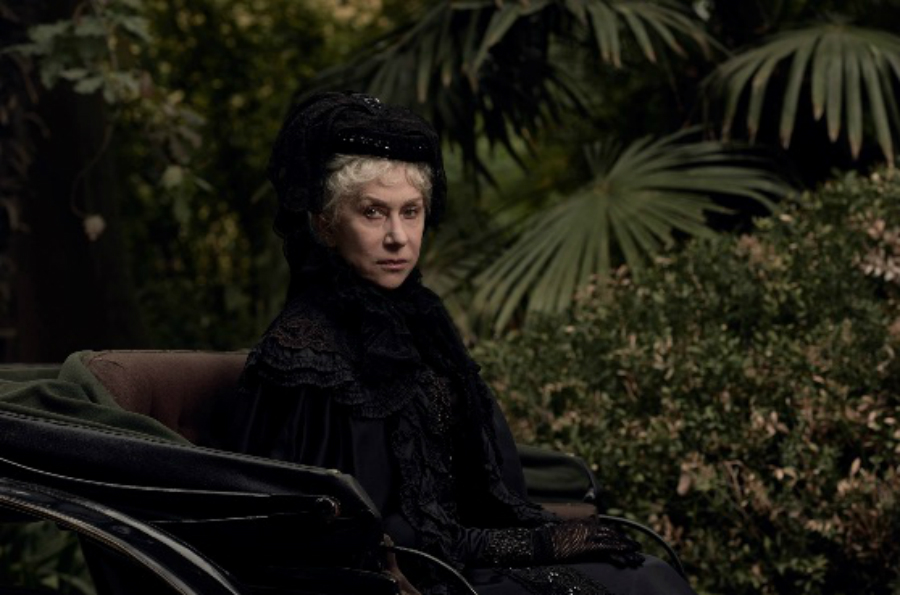
Winchester looks historically terrifying: The first trailer for Winchester: The House That Ghosts Built teases a true story of the “most haunted house in history” starring Helen Mirren and Jason Clarke. Check it out here:
[embedded content]
and
Counting The Heavy Cost Of Care In The Age Of Opioids

Dr. Leana Wen, Baltimore’s health commissioner, says the federal government should help pay for a lifesaving drug that reverses opioid overdose.
Meredith Rizzo/NPR
hide caption
toggle caption
Meredith Rizzo/NPR
As deaths from opioid overdoses rise around the country, the city of Baltimore feels the weight of the epidemic.
“I see the impact every single day,” says Leana Wen, the city health commissioner. “We have two people in our city dying from overdose every day.”
As part of Baltimore’s strategy to tackle the problem, Wen issued a blanket prescription for the opioid overdose drug naloxone, which often comes in a nasal spray, to all city residents in 2015.
She says many deaths have been prevented by getting the drug into the hands of more people. But now, there’s a problem:
“We’re out of money for purchasing Narcan [a brand of naloxone]. We’re having to ration this medication,” Wen says.
People can purchase Narcan at pharmacies on their own. As we’ve reported, it’s now sold at all Walgreens. But at a cost of about $125 a pop, many people can’t afford it.
Thursday, the Trump administration declared the opioid crisis a public health emergency, but many critics say it doesn’t go far enough when it comes to funding.
Wen says she would like a commitment from the administration to help pay for this drug. She says the administration could also negotiate directly with manufacturers to lower the price of naloxone. “We know treatment works, but we don’t have [the] money,” Wen says.
Paying for rapid reversal drugs is certainly not the only challenge health officials face in tackling the opioid epidemic.
A recent nationwide study published in the Annals of the American Thoracic Society points toa significant increase in the cost of treating overdose patients who are admitted to hospital intensive care units.

An overdose rescue kit handed out at an overdose prevention class this summer in New York City includes an injectable form of the drug naloxone.
Spencer Platt/Getty Images
hide caption
toggle caption
Spencer Platt/Getty Images
“These are patients who have survived admission [to the hospital] and have significant complications from an overdose,” says study author Jennifer Stevens, a critical care doctor at Beth Israel Deaconess Medical Center. She says complications can include kidney failure and infection. Some patients require a ventilator during hospitalization to support breathing.
Researchers analyzed billing data from more than 150 hospitals in 44 states, and they evaluated all the opioid-associated overdose admissions to ICUs between 2009 and 2015.
The study found a 34 percent increase in overdose-related ICU admissions during that period. And costs rose by almost 60 percent. In 2009, the average cost of care per admission was about $58,000. By 2015, the cost had risen to about $92,000.
In addition, the study points to almost a doubling of deaths among opioid overdose patients in hospital ICUs during the study period.
“It’s a call to arms that everything we’re doing is not enough,” Stevens says.
Stevens says she thinks a lot about the services patients may need once they’re released from the hospital. “They need long-term support,” she says.
Many experts say this must include expanded access to addiction treatment.
“The key to unlocking the opioid crisis is the availability of quality treatment beds,” Gil Kerlikowske, a former drug policy adviser to President Obama, tells us in an email. “We know treatment works and is far less expensive than jail or hospitalization.”
Houston Astros Beat The Los Angeles Dodgers 5-3 In Game 3 Of World Series

Houston Astros’ Carlos Correa and George Springer celebrate after winning Game 3 of the World Series.
Eric Gay/AP
hide caption
toggle caption
Eric Gay/AP
Updated 12:40 a.m. ET
The Houston Astros defeated the Los Angeles Dodgers in Game 3 of the World Series at Minute Maid Park in Houston, taking the series lead with two wins over the Dodgers.
The Astros relied on early scoring and a gutsy relief effort by right-hander Brad Peacock who came in for starter Lance McCullers with one out in the sixth inning and held the Dodgers without a hit for 3 2/3 innings. He struck out four and surrendered a walk.
McCullers went 5 1/3 innings, giving up three runs and four hits for the win.
With their victory tonight, the Astros are 7-0 in their home park in this postseason.
Houston got on the score board first by opening the bottom of the second inning with a solo home run by first baseman Yuli Gurriel, followed by a double by right fielder Josh Reddick. Designated hitter Evan Gattis walked. A hard-hit single by left fielder Marwin Gonzalez scored Reddick. Catcher Brian McCann followed with another single, scoring Gattis and making the score 3-0. The Astros added a fourth run when third baseman Alex Bregman hit a sacrifice fly to center, scoring Gonzalez.

Houston Astros’ Yuli Gurriel celebrates his second-inning home run in Game 3 of the World Series against the Los Angeles Dodgers on Friday.
David J. Phillip/AP
hide caption
toggle caption
David J. Phillip/AP
Dodgers starter Yu Darvish was pulled for reliever Kenta Maeda after Astros second baseman Jose Altuve smoked a double to center field. Maeda managed to get the final out without further damage.
The Dodgers threatened to come back immediately in the top of the third after their first three batters earned walks. But they scored only one run when shortstop Corey Seager grounded into a double play.
The Astros added their fifth run in the bottom of the fifth inning after a single by Reddick, his second hit of the night. Gattis reached first base on an infield bouncer to Dodgers pitcher Tony Watson, whose wild throw to first allowed Reddick to score.
In their half of the sixth inning, the Dodgers scratched back by scoring two runs. Seager walked, followed by a double by third baseman Justin Turner. Seager scored on right fielder Yasiel Puig’s ground out. Turner scored from third base on Peacock’s wild pitch, making the score 5-3.
The Astros threatened to blow the game wide open in the bottom of the seventh inning. Gurriel lead off with a double to left field. An out later, Gattis was intentionally walked. Houston loaded the bases when McCann hit an infield single. But Dodger reliever Ross Stripling retired center fielder George Springer on a deep drive to center that left Houston fans holding their heads in dismay.
However, by the eighth inning, Peacock looked confident as he retired the last six Dodger batters in a row.
As ESPN’s David Schoenfield reports, when the World Series is tied, the Game 3 winner goes on to win the whole thing 69 percent of the time.
Some Black Americans Turn To Informal Economy In The Face Of Discrimination

Loading…
What happens when you’re faced with a workforce that seems unwelcoming or even hostile? For people like Dennis Jackson, often the answer is to become your own boss.
In Los Angeles, he is making the best of an October heat wave by selling solar panels. Jackson says he has essentially always been an entrepreneur. He started in landscaping and moved toward solar panel installation.
The 40-year-old Detroit native says he chose those jobs because “there are not many black people in the industry. There’s some black guys that are landscapers, and we look at each other as unicorns because there’s not many of us.”
Race and how we perceive it affects what happens in the workplace. A poll by NPR, the Robert Wood Johnson Foundation and the Harvard T.H. Chan School of Public Health finds that a majority of African-Americans say they’ve experienced discrimination in hiring, pay and promotions.
There have only been a few brief times when Jackson has had a boss. He currently has a small operation — five employees and a few independent contractors. In many ways, he says, his entrepreneurial spirit has helped him avoid the glass ceiling.
“Discrimination, I try to avoid it at all cost,” Jackson says. “I’m not going to have to go through that because I’m going to write my own ticket.”
The poll found that 56 percent of African-Americans say they’ve experienced racial discrimination when applying for jobs and 57 percent say they’ve been discriminated against in being considered for promotions and in being paid equally.
Discrimination can deter African-Americans and other minorities from applying for certain jobs, says Marc Morial, a former mayor of New Orleans and current head of the National Urban League. Morial says the word gets out informally about certain industries and companies: “I’m not going to go over there and apply for a job because I heard they don’t like blacks.”
The employment picture overall and for black men has improved greatly since the Great Recession. But while the unemployment rate has plummeted for black men over 20, that number is still almost twice the rate of white men the same age. What’s hidden in the numbers is that many black men have fallen out of the workforce, Morial says. There is a menu of problems that lead to this. Race affects networking, education, mobility and access to information about jobs.
Loading…
“The issue isn’t really perception. It’s reality,” says Steven Pitts, the associate chair of the Center for Labor Research and Education at the University of California, Berkeley.
In response to discrimination in the workplace, black men look for alternatives. “It could be simply the hustling,” Pitts says of the ways black men work around the traditional labor market. It’s the worker who washes cars in the parking lot, or paints houses.
This informal — and growing — economy, Pitts says, is “not so much just the idea of on-the-corner drug stuff. It is a vast array of activity that simply isn’t governed by traditional labor laws.” He says the unemployment picture is made more complicated by the growth of independent contracting — in California, it represents 8.5 percent of the workforce.
Black men face real barriers to entering the formal workforce, Pitts says. Higher incarceration rates lead to criminal records, which he says can have the effect of keeping black men out of the formal economy. Many jobs require licenses, which are harder to obtain with a criminal record.
“Once you begin to screen out an entire sector of jobs that people can participate in … people will begin to find alternatives that are more informal,” whether they’re legal or not, Pitts says.
He says there has been a shift overall in the economy, including for white workers. In the last 30 years or so, he says, informal economic activity has been rising. “The hustle” — vital to the survival of black men for centuries — is becoming more important to the nation as a whole, Pitts adds.
Today in Movie Culture: James Franco Does 'The Shining,' When Slapstick Meets Horror and More
Here are a bunch of little bites to satisfy your hunger for movie culture:
Theme Park Cameo of the Day:
Watch James Franco and Chris Bauer in disguise as Jack Nicholson’s character from The Shining scaring fans at Universal Studios’ Halloween Horror Nights attraction:
[embedded content]
Mashup of the Day:
Speaking of The Shining, two Stephen King properties come together for this fan art mixing that movie with both versions of It:
Danny has the worst luck in the world!#Shining #It pic.twitter.com/1bkYNMxCmF
— The Horror Museum (@horrormuseum) October 25, 2017
Video Essay of the Day:
In this video essay perfectly timed for Halloween, Matt Draper considers the power of slapstick horror in Evil Dead II:
[embedded content]
Genre Showcase of the Day:
Tis the season for scary movies, so IMDb looks at the specific subgenre of psychological horror in this video:
[embedded content]
Vintage Image of the Day:
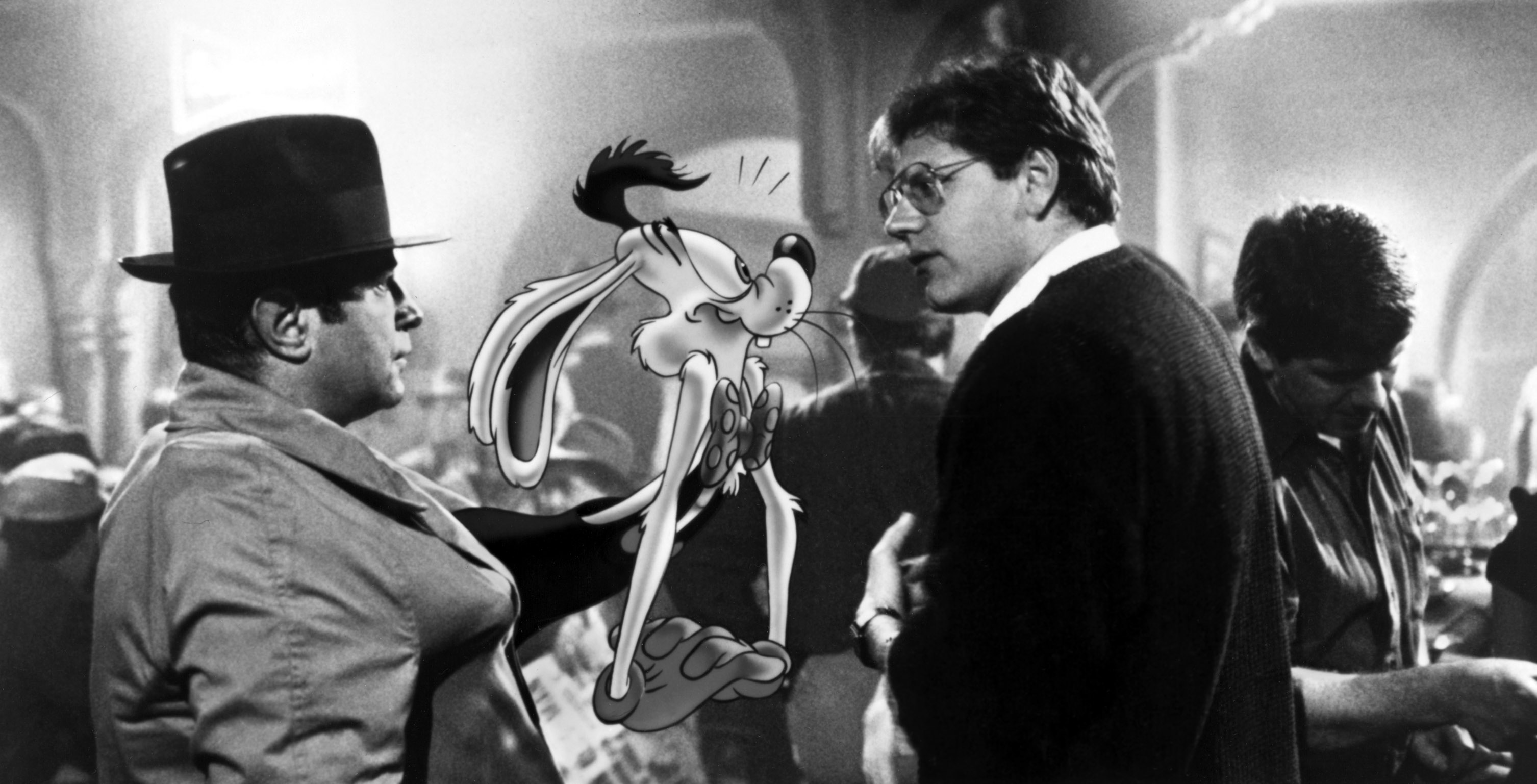
Bob Hoskins, who was born on this day in 1942, with director Robert Zemeckis and the title character on the set of 1988’s Who Framed Roger Rabbit:
Actor in the Spotlight:
In honor of the return of The Walking Dead, No Small Parts looks back on the career of Pollyanna McIntosh:
[embedded content]
Movie Science of the Day:
With lots of zombie movie watching going on this month, CineFix’s Reelistic explores the truth about epidemics compared to their cinematic depiction:
[embedded content]
Movie Trivia of the Day:
In anticipation of Halloween, ScreenRant looks at the dark secrets of a holiday favorite, Tim Burton’s Corpse Bride:
[embedded content]
Cosplay of the Day:
For now we’ll just have to imagine this, but Hugh Jackman teases that he’s going as the classic comic book version of Wolverine for Halloween:
Just maybe I will finally wear blue and yellow spandex for my #halloweencostume#tootallpic.twitter.com/0IwL6GoHzZ
— Hugh Jackman (@RealHughJackman) October 26, 2017
Classic Trailer of the Day:
This week marks the 55th anniversary of the release of The Manchurian Candidate. Watch the original trailer for the classic movie below.
[embedded content]
and
Twitter Says It Will Ban Ads From Russian News Agencies After Interference In 2016 Election
Twitter has said it will ban all ads from Russian news agencies effective immediately. The company made the decision as a result of role these agencies had in interfering with the 2016 election.
ROBERT SIEGEL, HOST:
Twitter has announced that from now on, it will reject all advertising from the Russian news outlets Sputnik and Russia Today, or RT. It will also give away the nearly $2 million it earned from past advertising. Both Sputnik and RT are backed directly by the Kremlin, and U.S. intelligence officials say both were used by the Russian government to help throw the U.S. presidential election into chaos. NPR media correspondent David Folkenflik joins us now with more on Twitter’s move. David, it’s long been known that these two news outlets answer to Moscow. Why is Twitter doing this now?
DAVID FOLKENFLIK, BYLINE: Well, you know, the U.S. intelligence officials came to the conclusion the Russians were trying to disrupt things basically a year ago. It announced earlier this year that they had concluded that the effort was there to really help put a thumb on the scales for President Trump or for now President Trump.
And then, you know, not so many weeks ago, U.S. officials decided to try to make RT and Sputnik register as foreign agents – that is, as entities explicitly trying to do the will of the Russian government in the sense that a lobbyist might or, you know, a – I mean, an agent, somebody acting on the government’s behalf, not simply as a news organization owned by the government. This has put a lot of pressure on organizations that do business with RT and Sputnik to figure out how to respond.
SIEGEL: Well, is Twitter now saying that it agrees with U.S. intelligence agencies that the Russian news outlets tried to tip the election to Trump?
FOLKENFLIK: Twitter’s official statements have actually been relatively restrained, just sort of acknowledging the effort to disrupt and that the ability of RT to take advantage of the viral nature of social media platforms, particularly Twitter in this instance, are things that they have to take into account.
SIEGEL: And what are the Russian news outlets – say about this?
FOLKENFLIK: Well, they’re saying a few things. They’re accusing Twitter of hypocrisy. They’re pointing out that Twitter officials came to them with a rather extensive plan to step up their advertising on the site and that, you know, that Twitter had courted their business. In addition, Russian officials at the Foreign Ministry are saying that this violates all kinds of United States and international protections on freedom of expression, that these are journalistic outlets.
And you know, there is the point being made, I think with validity, that the ads really accomplished less in many cases than some of the content and the news coverage, the framing of things, the misinformation, disinformation and actual stories that got picked up without – for amplification without any subsidy, without any advertising at all.
SIEGEL: Now, the Russians of course aren’t the only ones getting a tough look from Capitol Hill. Three committees are questioning tech giants next week, Twitter among them. You think that had something to do with Twitter’s announcement today?
FOLKENFLIK: Oh, I think that’s not incidental at all. I think there’s a great desire on Capitol Hill to understand how this disruption worked. You know, some more than others want to take action to ensure, to press these companies, to take actions to ensure that this kind of disruption doesn’t happen. There’s some pressure for greater transparency, and of course Twitter and Facebook and Google have always wanted to protect their secret sauce and their algorithms.
And in some corners, there’s a desire to try to pressure these social media outlets in such a way that if they don’t take greater responsibility, that they could be regulated. And I think that’s the greatest fear of all for these social media platform. So you’re seeing them start to take actions and to take conciliatory measures to at least publicly signal their discomfort, which – what occurred on their platforms in the hope of staving off greater government action.
SIEGEL: That’s NPR’s David Folkenflik on the news that Twitter has announced that it will reject all advertising from the Russian news outlets Sputnik and Russia Today. David, thanks.
FOLKENFLIK: You bet.
(SOUNDBITE OF ST. LENOX SONG, “KOREA”)
Copyright © 2017 NPR. All rights reserved. Visit our website terms of use and permissions pages at www.npr.org for further information.
NPR transcripts are created on a rush deadline by Verb8tm, Inc., an NPR contractor, and produced using a proprietary transcription process developed with NPR. This text may not be in its final form and may be updated or revised in the future. Accuracy and availability may vary. The authoritative record of NPR’s programming is the audio record.
