
Elephants For Eagles, Puppies For Patriots: Animals Predict Super Bowl LII

All eyes will be on the New England Patriots and Philadelphia Eagles this Sunday as the teams face off in Super Bowl LII. Who will win the coveted Vince Lombardi Trophy this year, the perennial favorite or the underdog? You can spend hours analyzing statistics, or you could trust the intuition of animals that don’t understand football. As a reference, the Westgate Las Vegas SuperBook had the Patriots as 4-point favorites on Friday.
This might not be the most scientific approach, but it’s undoubtedly the most adorable. Here are the results:
Bubbles, the elephant: Eagles
At the Myrtle Beach Safari in South Carolina, Bubbles, a 9,000-pound African elephant, flipped over the Eagles helmet with her trunk and devoured the apple underneath.
Fiona, the hippo: Eagles
See who Fiona picks to win! Does she go with the @Patriots, the favorite to win, or the @Eagles, one underdog rooting for another? Cincinnatians will get to see Fiona starring in a #SuperBowl commercial this Sunday when it airs during the big game! https://t.co/7wKxwD6x59pic.twitter.com/R9RYMKzyq3
— Cincinnati Zoo (@CincinnatiZoo) February 1, 2018
Cincinnati Zoo’s celebrity hippopotamus, Fiona, ate her greens out of the Eagles box. Underdogs have to stick together, after all.
Nicholas, the dolphin: Patriots
Nicholas the rescued dolphin at Clearwater Marine Aquarium chose the New England Patriots on Jan. 29, 2018 to win Super Bowl LII.
Courtesy of Clearwater Marine Aquarium
hide caption
toggle caption
Courtesy of Clearwater Marine Aquarium
When given the choice between a Patriots and Eagles football, Nicholas the rescued dolphin at Clearwater Marine Aquarium in Florida guided the Patriots football toward the “dolphin football judge.” This psychic dolphin is six for seven in sports predictions, including a correct selection last year for the reigning Super Bowl champions Patriots. The Eagles have reason to fear.
Fernando, the sloth: Eagles
How long does it take a sloth to make a #SuperBowl pick? Not long at all, as Fernando showed us at @PhoenixZoo on #12Today! Enjoy his real time selection, set to a sultry slow jam. pic.twitter.com/lIxFqYAB8X
— Paul Gerke (@PaulGerke) January 31, 2018
Phoenix Zoo’s sloth, Fernando, made a decisive pick in favor of the Eagles by slowly climbing toward Philadelphia’s container. It’s always a delight watching sloths eat flowers, but this video set to a sultry soundtrack is a true gem.
April, the giraffe: Patriots
The Patriots are going to get its third Super Bowl title in four years, according to April, Animal Adventure Park’s celebrity giraffe. April gained worldwide fame in 2017 when the late stages of her pregnancy and eventual delivery were streamed live on YouTube.
Le Le, the panda: Eagles
This morning, Le Le picked the @Eagles to win #SuperBowl on Sunday. Who will you be rooting for? ???? pic.twitter.com/EJVPxXl588
— Memphis Zoo (@MemphisZoo) February 1, 2018
Le Le, a giant panda at the Memphis Zoo, declared Philadelphia to be the Super Bowl LII champions by pulling down the Eagles banner first. At just 1-3 in Super Bowl predictions, though, Le Le is more cute than accurate.
Jimmy Fallon’s puppies: Patriots
In the 2018 installment of this fan-favorite segment, more of Jimmy Fallon’s 11-panel of puppies ate from the Patriots bowl than the Eagles bowl. The real MVP, though, is the puppy that refused to participate at 1:39.
Ahren, the eagle: Eagles
Ahren the eagle, a resident of Myrtle Beach Safari in South Carolina, swooped down from a perch and looked briefly at the stuffed bear donning Patriots gear before picking her stuffed counterpart. Of course, this surprised no one. Even Ahren’s handler admitted: “She might be a bit biased.”
Linda Wang is an intern on the National Desk.
Why A Cancer Patient Opposes The 'Right To Try' Experimental Cancer Drugs

Michael Becker is dying from cancer. But he tells NPR’s Scott Simon that he opposes the passage of the Right To Try Act, which gives terminally ill patients access to experimental drugs.
SCOTT SIMON, HOST:
Imagine you’ve been diagnosed with cancer. You’ve been told it’s terminal. Doctors have tried everything. The only option left may be experimental, unapproved drugs. You want these drugs no matter what the risk. This week, President Trump urged Congress to pass what’s called the Right To Try Act in his State of the Union address. But many doctors, scientists and those involved in research think it may be a bad idea. Michael Becker is the former CEO of two biotech firms working to develop cancer treatments. Mr. Becker also has terminal cancer. Michael Becker joins us from Bucks County, Pa. Thanks so much for being with us.
MICHAEL BECKER: My pleasure, Scott. Thanks for having me.
SIMON: And I have to begin by asking you, how are you?
BECKER: (Laughter) Feeling pretty good. The quality of life at the moment is not too bad. And I’m happy to still be here.
SIMON: Why are you suspicious of the Right To Try Act?
BECKER: You know, I agree with President Trump that patients like me that are facing a terminal illness should have an opportunity to access experimental drugs. Fortunately, we already do. It’s the Compassionate Use mechanism for the Food and Drug Administration.
SIMON: Having read about you, you just don’t believe that this would be redundant but could be dangerous.
BECKER: Yeah. If you put the two side by side, there’s only one difference. And that is the FDA. The FDA gets taken out of the equation with the proposed legislation. The FDA is in the equation with the existing regulations. Compassionate Use process is extremely easy. Basically, go to your doctor. Find one who will agree to administer the therapy. Contact the drug company. See if they’re also willing to agree. Fill out the paperwork. And then if the FDA doesn’t object, the patient can get the treatment. And the only difference with the new legislation is that last part. The FDA is taken out of the equation.
SIMON: With respect, why care so much about the FDA if a life is hanging in the balance?
BECKER: So as a terminal cancer patient, I would, you know, obviously love to try something that’s going to prolong my life or cure my cancer. The reality is that that’s a very, very small statistic in terms of drug development discovery. Only 5 percent of drugs that go through phase one development actually go on to be approved. So you’re talking about giving people medications that, in historical context, have only had a 5 percent chance of actually working at the end of the day. And then you’re exposing these patients to, potentially, additional toxicities that could accelerate their death or cause additional problems for them.
SIMON: I’m sure you’ve run all this through your mind. Why not – I was about to ask you, why not let the patient decide? Why not let you decide?
BECKER: Well, the problem becomes that you have a lot of false hope as a terminal cancer patient. You want to cling to anything that’s going to sound like it’s an opportunity to live longer or have a better quality of life. And that hope can sometimes cover up the realities of some of the more sinister aspects of getting a drug, which are things go wrong. So I could take a drug that was purported to help me, and it may actually make my condition worse. It could create other difficulties for me. And then my quality of life may be even worse than it was originally. That’s what I would fear as a – or what I do fear as a patient.
SIMON: Yeah. And would it potentially take advantage of people at their most vulnerable?
BECKER: Absolutely. I can’t tell you how many times I see miracle cures and herbal remedies and everything from unsolicited emails to Internet ads, you know, talking about cures and treatments for cancer. If you take the FDA as the policeman out of that equation, I’m scared to death as to what cancer patients or other patients facing terminal illnesses may be subjected to.
SIMON: Well, Mr. Becker, good luck to you. We are so grateful to speak with you. Thank you so much.
BECKER: Thank you, Scott.
Copyright © 2018 NPR. All rights reserved. Visit our website terms of use and permissions pages at www.npr.org for further information.
NPR transcripts are created on a rush deadline by Verb8tm, Inc., an NPR contractor, and produced using a proprietary transcription process developed with NPR. This text may not be in its final form and may be updated or revised in the future. Accuracy and availability may vary. The authoritative record of NPR’s programming is the audio record.
The Week in Movie News: Best of Sundance, 'Ant-Man and the Wasp' Trailer and More
Need a quick recap on the past week in movie news? Here are the highlights:
BIG NEWS
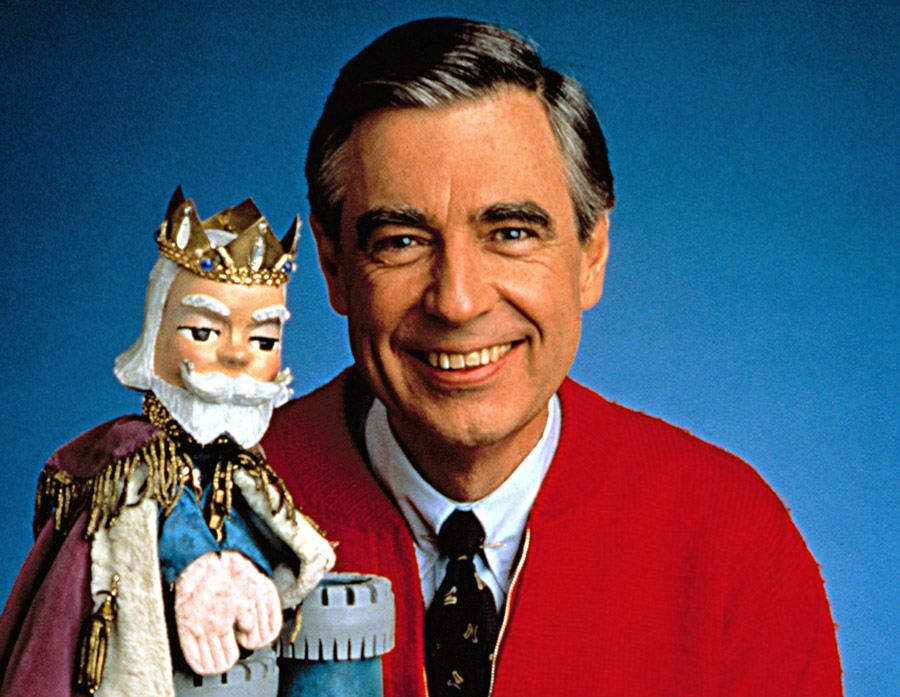
Tom Hanks to Play “Mister Rogers”: Hollywood nice guy Tom Hanks is set to portray PBS nice guy Fred Rogers in a biopic about the children’s television icon, who hosted Mister Rogers’ Neighborhood. Read more here.
GREAT NEWS
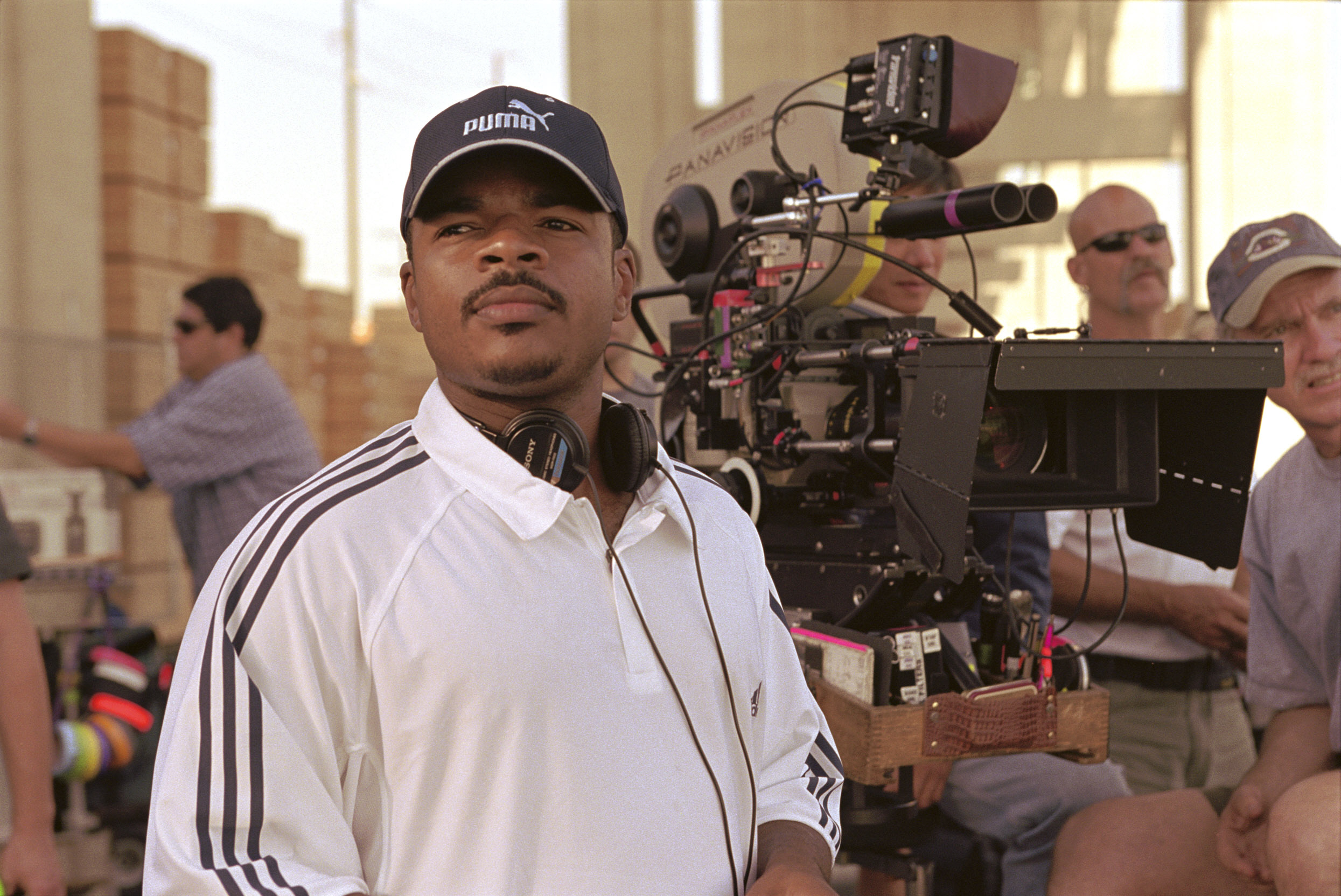
F. Gary Gray to direct Men in Black sequel: Following his success with Straight Outta Compton and The Fate of the Furious, F. Gary Gray has been tapped to direct the next Men in Black movie, which will involve new characters. Read more here.
FESTIVAL BUZZ
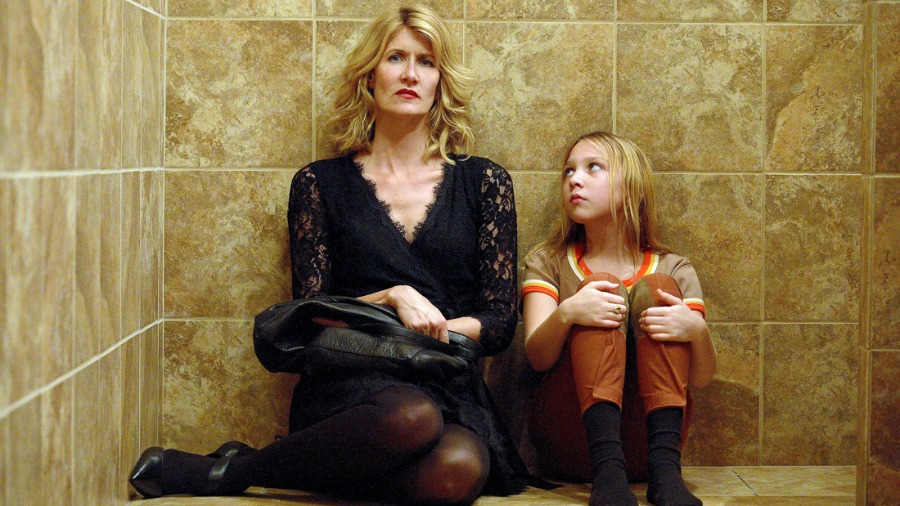
The best of Sundance 2018: We went to Sundance and now have a lot of new movies to recommend, so we compiled a guide to what you need to put on your must-watch list from this year’s festival. Check out our picks here.
AWARDS BUZZ
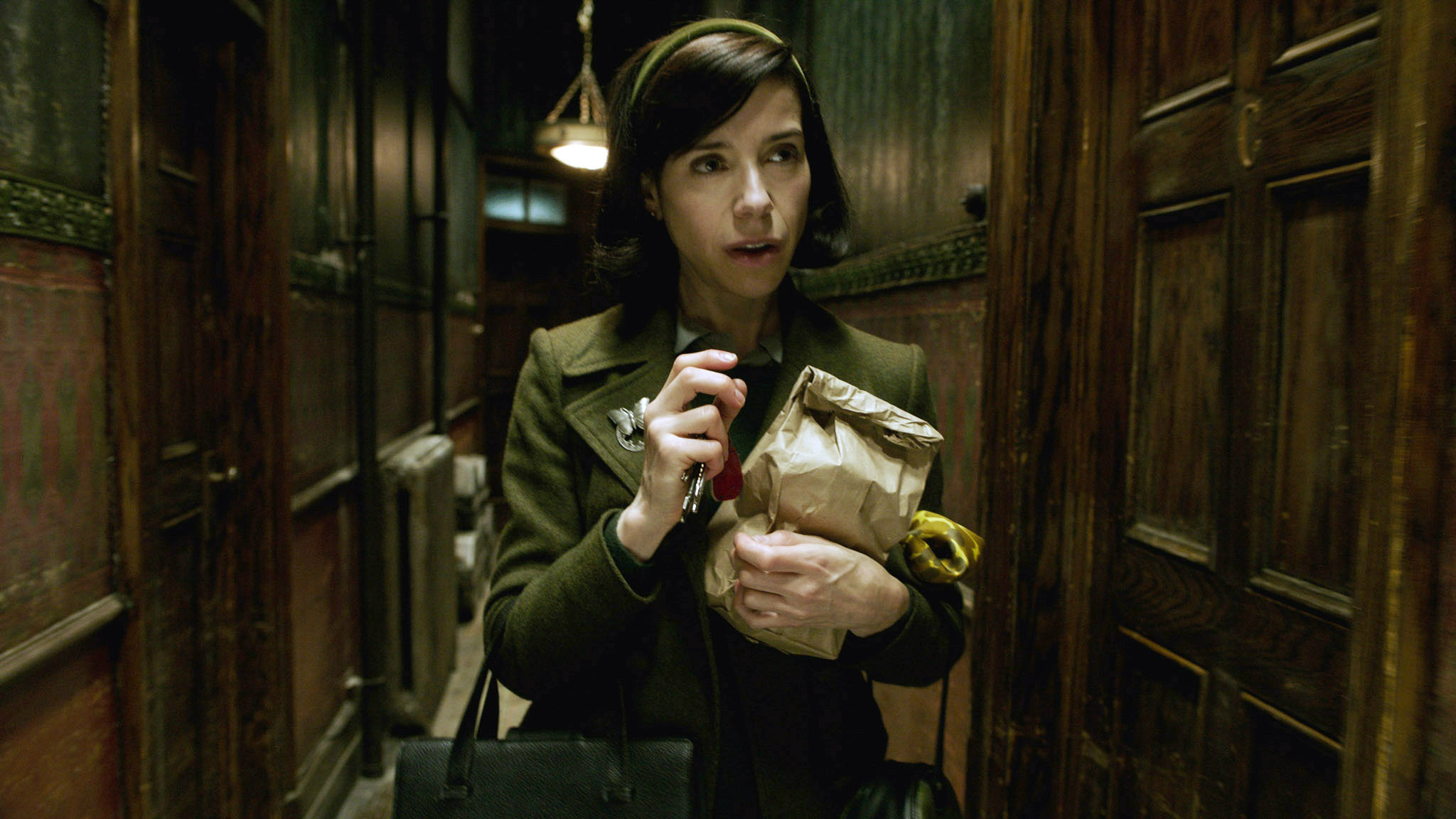
Where to watch the Oscar nominees: We compiled a guide to help you catch up with all of this year’s Oscar nominees before the big awards show next month. Check out our exclusive listing here.

COOL CULTURE
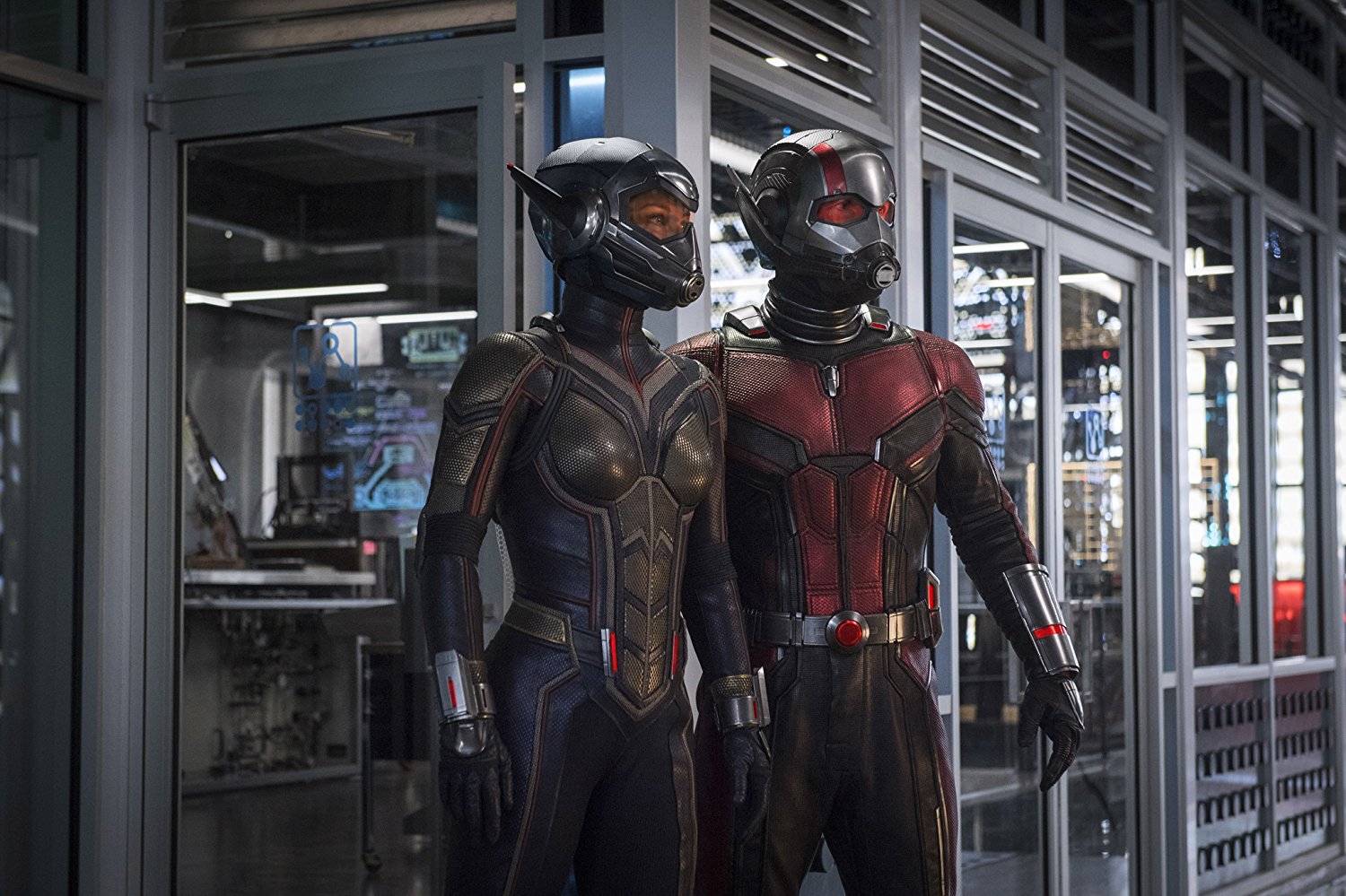
Ant-Man and the Wasp Easter eggs: The folks at ScreenCrush pored through the new Ant-Man and the Wasp trailer for hidden Easter eggs and offer explanation for those details and more. Watch the video below.
[embedded content]
MUST-WATCH TRAILERS
Ant-Man and the Wasp promises some humorous action: The first trailer for the Marvel sequel Ant-Man and the Wasp showcases Evangeline Lily’s promotion to badass costumed hero while reminding us of the comedic elements to look forward to. Watch it here:
[embedded content]

The 2018 Oscar-nominated shorts have big appeal: This year’s Oscar nominees in the three short film categories will be playing together on the big screen this month, and there’s a new trailer spotlighting them all. Watch it here:
[embedded content]
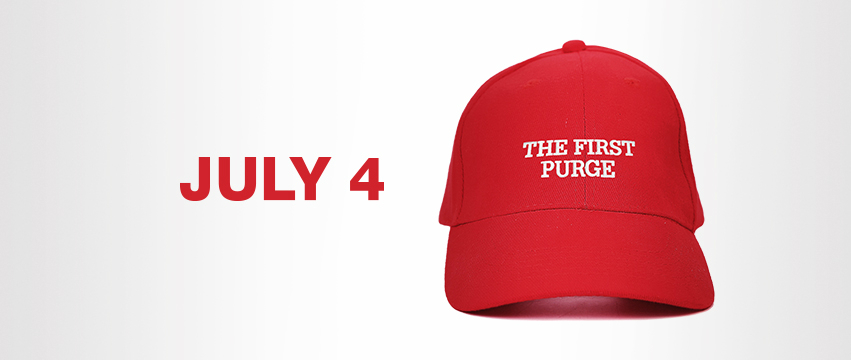
The First Purge teases the beginning: The first teaser for the next Purge movie, a prequel going back to the start, debuted as a fake political ad. Check it out here:
[embedded content]
and
Stock Market Sees Its Worst Weekly Performance In 2 Years
The stock market took a big dive on Friday amid growing worries about inflation. The Dow Jones industrial average fell about 666 points, or 2.54 percent. The market saw its worst weekly performance in two years.
ARI SHAPIRO, HOST:
It has been a long time since the stock market has seen a day as bad as this one. The Dow Jones Industrial Average fell 666 points. That is a 2 and a half percent drop. And it caps off a pretty bad week on Wall Street. NPR’s Jim Zarroli is going to explain to us what’s happening. Hi, Jim.
JIM ZARROLI, BYLINE: Hi, Ari.
SHAPIRO: The story all year has been record highs in the stock market. What’s going on?
ZARROLI: Yeah. The stock market has been on a tear. I mean, the Dow is up 25 percent last year. Then it just kept blowing past, you know, 24,000, 25,000, 26,000. President Trump is bragging about how well the stock market has done. And this week, it just seemed like, you know, this giant bucket of cold water was thrown in everybody’s face. And that really intensified today. All these big stocks like ExxonMobil, Goldman Sachs, Apple – they were all down. And it wasn’t just stocks. It was bonds. It was commodities like oil. It was just – you know, it was your basic bloodbath.
SHAPIRO: And one of the things that makes it so weird is that the day started with pretty good economic news – employers adding jobs, average hourly earnings rising. So can you explain what accounts for the steep drop-off?
ZARROLI: Yeah. I think the jobs report was actually part of the problem today, not that it was bad. I mean, it was actually solid. But the wage gains were a problem. They have a lot of investors wondering, you know, are we going too fast? Are we going to see more inflation? You know, the Fed is already raising interest rates. Does that mean it’s going to raise them even faster?
Then you have these big tax cuts taking effect, which means people could be spending more. The government’s going to have to borrow more. What’s that going to mean? So I think there’s just this more cautious outlook at least about inflation and that the jobs report just poured gasoline on the fire.
SHAPIRO: It’s kind of counterintuitive that for a long time people have been saying, yeah, the stock market’s great, but wages aren’t going up. And now wages go up. And the stock market drops.
ZARROLI: Right.
(LAUGHTER)
SHAPIRO: Could political events have any impact on this, be part of the reason behind it? Of course this memo story is just blowing up Washington today. Could that be one of the factors?
ZARROLI: I don’t think so. I mean, the memo was released in the morning. And the real – the drop today in the stocks really intensified later in the day, in the afternoon. So if there’s a connection, it’s hard to see. In fact, you know, you could say the markets have generally been shrugging off this Russia investigation. The markets are supposed to hate instability. You always hear that. And of course this is nothing if not an unpredictable time. But, you know, this investigation has been going on for months, and stock prices have just been going up and up and up almost regardless of that.
SHAPIRO: Put this in perspective for us. We said it was a 666-point drop. That sounds like a lot – 2 and a half percentage points. How bad is this?
ZARROLI: Well, you know, we need to keep it in perspective. This is one bad week. Stocks are still up for the year. The stock market was really due to come down anyway. I mean, we have these corrections. They’re normal. You can’t have stocks rising at these levels all the time. The economy is still growing. We have a very tight job market. Companies are reporting good profits.
But we are – you know, as I said, we’re starting to see the mood shift a little bit. Interest rates have come up. They rose quite a bit today. The yield on the 10-year bond was up a lot. They’re still not high in historic terms, but they are rising, and that does have an effect on the economy. That affects people’s mortgages and auto loans. It affects credit cards. So, you know, people have been feeling really optimistic for a long time about where the economy is going, especially in the past year. But I think days like this are just kind of a reminder, you know, the sky is not the limit.
SHAPIRO: A reality check there from NPR’s Jim Zarroli. Thanks a lot.
ZARROLI: You’re welcome.
Copyright © 2018 NPR. All rights reserved. Visit our website terms of use and permissions pages at www.npr.org for further information.
NPR transcripts are created on a rush deadline by Verb8tm, Inc., an NPR contractor, and produced using a proprietary transcription process developed with NPR. This text may not be in its final form and may be updated or revised in the future. Accuracy and availability may vary. The authoritative record of NPR’s programming is the audio record.
How The Quarterbacks From The New England Patriots and Philadelphia Eagles Compare
The two starting quarterbacks in Sunday’s Super Bowl couldn’t be more different. The New England Patriots have Tom Brady a five-time champion and global icon. The Philadelphia Eagles have Nick Foles, who doesn’t have such a long list of accomplishments.
MARY LOUISE KELLY, HOST:
Sunday’s Super Bowl has one big mismatch – the quarterbacks. On the defending champion, New England Patriots, you have Tom Brady. On the short list of all-time greatest quarterbacks, he is also obscenely rich and husband to Gisele Bundchen, one of the most famous supermodels in the world. The Philadelphia Eagles have Nick Foles. A sportswriter once described him as, quote, “contrite, non-charismatic, cautious, churchgoing.” Personality aside, Foles was playing backup quarterback only two months ago. Before signing with the Eagles this season, he was considering retiring.
So is it as big a mismatch as that might sound? Well for more on that, we turn to Bob Ford. He is sports columnist for the Philadelphia Inquirer. Hello, there.
BOB FORD: Hello, Mary Louise, great to be with you.
KELLY: Great to have you with us. Who is Nick Foles? Tell us a little bit about him.
FORD: Well, up to this point, he’s been sort of a quarterback that’s bounced around a little bit – really didn’t have a great career. In some ways, he doesn’t have a past. In some ways, he might not have a future after this game. So this is really his moment. And whether he’s going to be remembered or not is going to be largely accountable to what happens in the game on Sunday. So that’s quite a spot he’s in.
KELLY: You’re saying potentially he could win the Super Bowl as quarterback for the Eagles, and you’re not sure he has a future in the sport?
FORD: Well, I think he has a future as a backup again. I think the Eagles are very much committed to keeping Carson Wentz as their young, up-and-coming quarterback. And he’ll get the job back once he recovers from surgery. And Nick Foles will return to his role in the shadows.
KELLY: Now he is known for having had one magic year. He killed it in 2013. He was playing for the Eagles. What happened?
FORD: Well, they had a new coach that year, Chip Kelly. And Chip Kelly brought a lot of different methods to the game. And it took a little bit of time for the defenses around the league to catch up with what those were – and catch up they did. But in the interim, as you said, Nick Foles won 8 out of 10 games. He threw 27 touchdowns – only two interceptions. It was magical. But I also think that was a bit of a mirage given what came afterward.
KELLY: And what came afterward?
FORD: Well, the next season they didn’t do quite as well. Nick broke his collarbone. He got traded to the St. Louis Rams. He was a disaster there. And he rebounded as a backup last year in Kansas City before coming back to Philadelphia. So at 29, having had contemplated retirement, he was probably just going to be a career guy who stood on the sideline in a baseball hat and clapped his hands until Carson Wentz got hurt.
KELLY: Wow, and here he is in the Super Bowl on Sunday. Well, let me ask you this. Does he enjoy the advantage of being the underdog? I mean, the expectations are low compared to what Tom Brady is up against.
FORD: Well, I think Nick is used to being the underdog. He was, you know, lightly recruited for college. He was certainly lightly thought of coming out of college. He was only a third round pick of the Eagles. No one has ever been overwhelmed by his athleticism. So I think for Nick being an underdog, this is nothing new. And the fact that he’s an underdog in the Super Bowl to Tom Brady is not only a comfortable place for him, but it’s expected.
KELLY: How have fans in Philadelphia taken to him?
FORD: Well, it’s a little like finding out that your garage mechanic can also do open heart surgery if you really needed him to…
(LAUGHTER)
FORD: …Because they didn’t think all that much of Nick when he came back. And they love, love, love Carson Wentz. So when Carson Wentz tore his knee ligament, was lost for the season, there was certainly a sense of, OK, it’s not about this season anymore. We’re just going to build for the future. And then all of a sudden, Nick Foles won two playoff games. And here they are in the Super Bowl. And as I said, it’s unexpected. But for a town that has not had all that many championships recently, they’ll take any shot they can get.
KELLY: And what do you think? How big a shot is it? Can he and the Eagles beat Tom Brady and the Patriots on Sunday?
FORD: Let me put it this way. The hardest thing about winning the Super Bowl, Mary Louise, is getting into it. Once you’re in it, you have a puncher’s chance. I think if they played this game ten times, the Patriots would win seven. But they’re only going to play at once, so it could it could be one of those three. So they certainly have a chance. Funny things happen in this game. The ball bounces around funny. And, yeah, they certainly have a chance.
KELLY: Bob Ford, thanks very much.
FORD: Mary Louise, my pleasure.
KELLY: Bob Ford of the Philadelphia Inquirer talking about Nick Foles, quarterback for the Eagles, and what kind of shot he has at a Super Bowl ring come Sunday.
(SOUNDBITE OF SOUTHERN CREEK PLAYERS’ “FRIDAY NIGHT LIGHTS”)
Copyright © 2018 NPR. All rights reserved. Visit our website terms of use and permissions pages at www.npr.org for further information.
NPR transcripts are created on a rush deadline by Verb8tm, Inc., an NPR contractor, and produced using a proprietary transcription process developed with NPR. This text may not be in its final form and may be updated or revised in the future. Accuracy and availability may vary. The authoritative record of NPR’s programming is the audio record.
Indiana Adds Work Requirement To Medicaid, Will Block Coverage If Paperwork Is Late

Health and Human Services Secretary Alex Azar announced federal approval for changes to Indiana’s Medicaid program Friday in Indianapolis.
Mandel Ngan/AFP/Getty Images
hide caption
toggle caption
Mandel Ngan/AFP/Getty Images
Indiana on Friday became the second state to win federal approval to add a work requirement for adult Medicaid recipients who gained coverage under the Affordable Care Act. A less debated provision in the state’s new plan could lead to tens of thousands of people losing coverage if they fail to complete paperwork documenting their eligibility for the program.
The federal approval was announced by Health and Human Services Secretary Alex Azar in Indianapolis.
Medicaid participants who fail to promptly submit paperwork showing they still qualify for the program will be locked out of enrollment for three months, according to updated rules.
Since November 2015, more than 91,000 enrollees in Indiana have been kicked off Medicaid for failing to complete the eligibility redetermination process, according to state records. The process requires applicants to show proof of income and family size, among other things, to see whether they still qualify for the coverage.
Until now, these enrollees could simply reapply anytime. Although many of those people very likely weren’t eligible anymore, state officials estimate about half of those who failed to comply with its re-enrollment rules still qualified for Medicaid coverage.
Indiana expanded Medicaid starting in February 2015, providing coverage to 240,000 people who were previously uninsured. The change helped lower the state’s uninsured rate from 14 percent in 2013 to 8 percent last year.
The HHS approval of the state’s waiver extends the program, which was expiring this month, through 2020.
The new lockout builds on one Indiana already had in place for people who failed to pay monthly premiums and had annual incomes above the federal poverty level, or about $12,200 for an individual. Locked-out people are barred for six months from coverage. During the first two years of the experiment, about 10,000 Indiana Medicaid enrollees were subject to the lockout for failing to pay the premium for two months in a row, according to state data. In addition, more than 25,000 enrollees were dropped from the program when they failed to make the payments, although half of them found another source of coverage — usually through their jobs.
An additional 46,000 were blocked from coverage because they failed to make the initial payment.
“The ‘lockout’ is one of the worst policies to hit Medicaid in a long time,” says Joan Alker, executive director of the Georgetown University Center for Children and Families. “Forcing people to remain uninsured for months because they missed a paperwork deadline or missed a premium payment is too high a price to pay. From a health policy perspective it makes no sense because during that six-month period, chronic health conditions such as hypertension or diabetes are just likely to worsen.”
Indiana’s Medicaid expansion is being closely watched in part because it was spearheaded by then-Gov. Mike Pence, now vice president, and his top health consultant, Seema Verma, who heads the federal Centers for Medicare & Medicaid Services.
The expansion, known as Healthy Indiana, enabled nondisabled adults access to Medicaid. It has elicited criticism from patient advocates for complex and onerous rules that require these poor adults to make payments ranging from $1 to $27 per month into health savings accounts or risk losing their vision and dental benefits — or even all their coverage, depending on their income level.
Indiana Medicaid officials say they added the newest lockout provision in an effort to prompt enrollees to get their paperwork submitted on time. The state initially requested a six-month lockout.
“Enforcement may encourage better compliance,” the state officials wrote in their waiver application to CMS in July.
The new rule will lead to a 1 percent cut in Medicaid enrollment in the first year, state officials said. It will also lead to a $15 million reduction in Medicaid costs in 2018 and about $32 million in savings in 2019, the state estimated.
The number of Medicaid enrollees losing coverage for failing to comply with redetermining their eligibility has varied dramatically each quarter from a peak of 19,197 from February 2016-April 2017 to 1,165 from November 2015-January 2016, state reports show. In the latest state report, 12,470 enrollees lost coverage from August to October 2017.
The Kentucky Medicaid waiver approved by the Trump administration in January included a similar lockout provision for failing to pay the monthly premiums or providing paperwork on time. Penalties there are six months for both measures. But the provision was overshadowed because of the attention to the first federal approval for a Medicaid work requirement.
Like Kentucky’s, the Indiana Medicaid waiver work requirements, which mandate adult enrollees to work an average of 20 hours a month, go into effect in 2019. But Indiana’s waiver is more lenient. It exempts people age 60 and over and its work-hour requirements are gradually phased in over 18 months. For example, enrollees need to work only five hours per week until their 10th month in the program.
Most adult Medicaid enrollees do work or go to school or are too sick to work, studies show.
Indiana also has a long list of exemptions and alternatives to employment. This includes attending school or job training, volunteering, or caring for a dependent child or disabled parent. Nurses, doctors and physician assistants can give enrollees an exemption for illness or injury.
Three patient advocacy groups have filed suit in federal court seeking to block the work requirements.
Kaiser Health News is a national health policy news service that is part of the nonpartisan Henry J. Kaiser Family Foundation. Phil Galewitz is a senior correspondent for KHN.
'Fate of the Furious' Director Touted for 'Men in Black' Spin-off
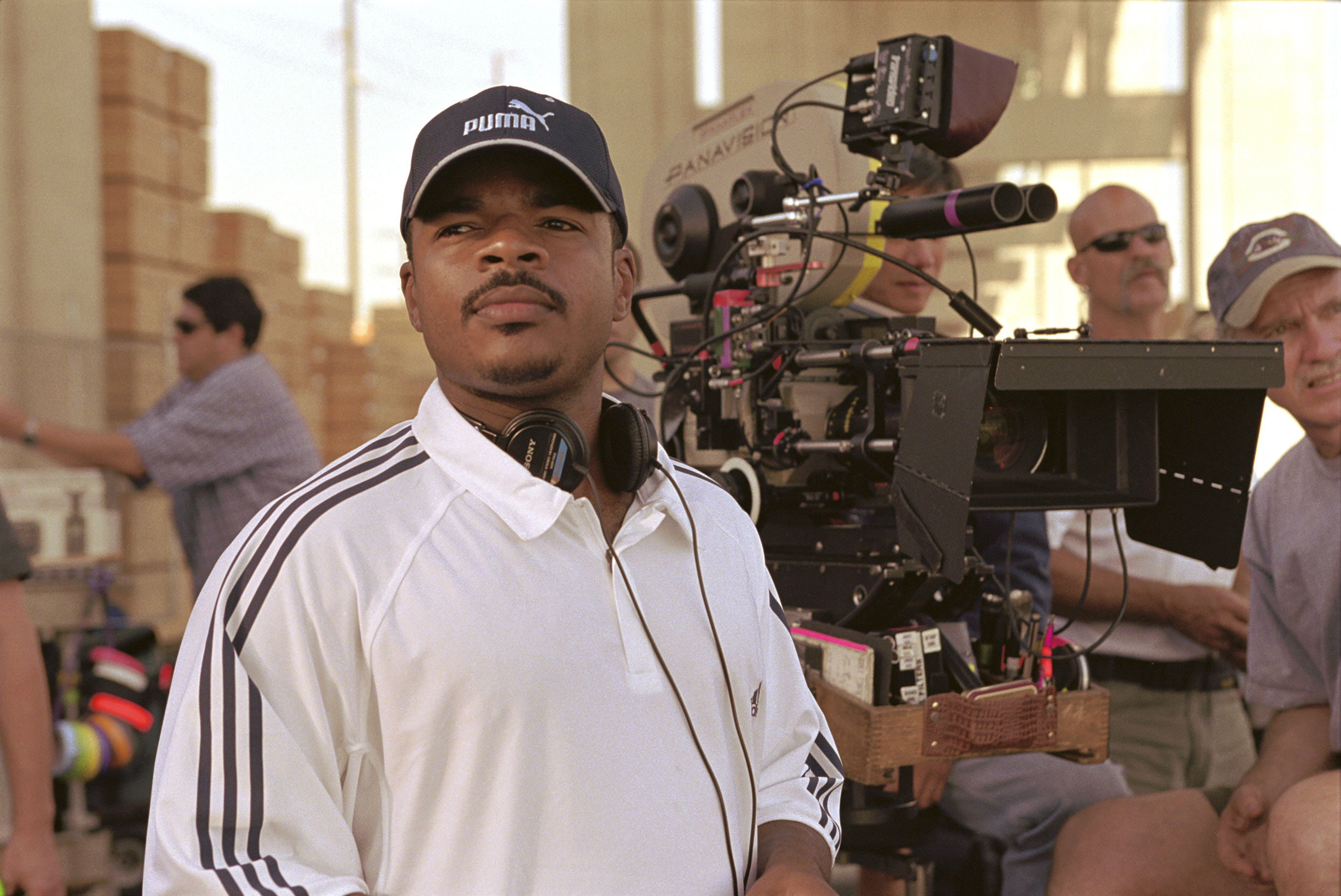
Here come the Men in Black… again. Everyone’s favorite alien-monitoring agency will see a spin-off film in 2019. We last saw the sunglasses-wearing, neuralyzer-wielding gents in Men in Black 3 (2012), which came out a whole decade after Men in Black II. This new installment is separate from the previously reported crossover with 21 Jump Street, a mashup that may never see the light of day.
According to Deadline, Sony and Amblin are in negotiations with F. Gary Gray (above on the set of The Italian Job) to helm the spin-off, who has directed back-to-back successes for Universal. The hot streak began with Straight Outta Compton in 2015. He followed that up with The Fate of the Furious, the eighth film in the ongoing action saga and the 12th top grossing film of all-time with $1.2 billion in the worldwide box office. With this newfound golden touch, it’s no wonder Gray has been pegged to revive a dormant franchise.
[embedded content]
Gray will be directing a script penned by Matt Holloway and Art Marcum, who previously tackled Iron Man and Transformers: The Last Knight together. Long-time series producer Walter F. Parkes had this to say in a previous report, “It’s so rare to get to the end of the script and know you’re holding a movie in your hands, but Art and Matt have written a spinoff that somehow is true to the core of the MiB world and yet expands the franchise to a fresh new place.”
From the sounds of it, we’re in for a new cast of agents and possibly an international (or intergalactic?) storyline. The global box office has grown in importance since the series last flew by; expect to see that change reflected in the film’s cast and scenarios. Who would you like to see in black suit and tie? And what celebrity will cameo as an undercover alien this time? Join the discussion in the comments below.
Sony has set a July 14, 2019 release day for the untitled spin-off adventure.
Amazon Reports Biggest Quarterly Profit Of $1.9 Billion

Amazon has been turning a profit since mid-2015 as sales have continued to rise dramatically in recent years.
Philippe Huguen/AFP/Getty Images
hide caption
toggle caption
Philippe Huguen/AFP/Getty Images
In the last three months of 2017, Amazon saw its profit more than double to reach a record of $1.9 billion. The company’s sales continued to soar during the holiday quarter as more people signed up for its fast-delivery Prime program and bought its voice-activated device Echo.
Company executives touted the sales of the devices powered by its voice assistant Alexa. Amazon also said millions of people shopped by using their voice last year. Without disclosing specific numbers, CEO Jeff Bezos said of Alexa sales: “We don’t see positive surprises of this magnitude very often — expect us to double down.”
Amazon said its profits also got a boost from a tax benefit of about $789 million thanks to the new tax law passed in December. And the company noted big contributions from its advertising business and the cloud-computing service known as Amazon Web Services.
Here’s a quick rundown from CNBC:
“Amazon’s revenue, which includes sales from Whole Foods, jumped 38 percent year-over-year. … For the full year, Amazon had $177.9 billion in sales, up 31 percent from the previous year’s $136 billion. Despite the huge growth in revenue, Amazon’s operating profit dropped 2 percent to $4.1 billion.”
Amazon has long had a reputation for being parsimonious, investing its gains in new products and infrastructure rather than disbursing money to shareholders. But now its profits have risen sharply, although not nearly at the rate of the booming sales. This new report marks about 2 1/2 years of profitability.
Loading…
For the next year, more of Amazon’s focus is expected to shift to its grocery business as the company tries to expand its delivery service and works to integrate the recently acquired Whole Foods.
In a call with investors, Amazon executives addressed recent reports of empty shelves at Whole Foods locations, saying that the company made no changes that would affect the restocking of items. Instead, they blamed weather-related restocking issues and increased demand in response to lower prices.
Amazon’s Thursday report also showed that some 566,000 people worked for the company at the end of 2017. That number excludes contractors or temporary workers and represents a 66 percent increase from the end of 2016.
This Might Finally Be The Year For Philadelphia Eagles Fans
This may be finally be the year for Philadelphia Eagles fans. But after a decades long drought, they’re cautiously optimistic that their team can win the Super Bowl and bring home the Vince Lombardi Trophy.
ARI SHAPIRO, HOST:
Philadelphians are so famously pessimistic there’s even a term for it – negadelphia (ph). Philadelphia Eagles fans have good reason for fatalism. The last time their team won the NFL championship it wasn’t even called the Super Bowl yet. But as Avi Wolfman-Arent from member station WHYY found out, locals are feeling uncommonly cheerful about this year’s team and their chances in the Super Bowl on Sunday.
AVI WOLFMAN-ARENT, BYLINE: The year was 1960. Dan Harrell had just turned 17. And for the Irish Catholic kid from West Philly, things were going well.
DAN HARRELL: Kennedy just became president. The Eagles wore green. You know, the Irish were on a roll. (Laughter) You know what I’m saying?
WOLFMAN-ARENT: The day after Christmas, Philadelphia beat Green Bay at historic Franklin Field for the NFL championship.
(SOUNDBITE OF ARCHIVED RECORDING)
UNIDENTIFIED SPORTSCASTER: And now the Eagles jumping up and down, a happy bunch.
WOLFMAN-ARENT: Harrell was there.
HARRELL: My seats were the upper level, right at about the middle.
WOLFMAN-ARENT: Harrell went on to become a maintenance worker at Franklin Field, which was built in 1895 and still stands today.
HARRELL: This is like a house of worship to a lot of people. I don’t care if you’re Jewish, Muslim, Catholic.
WOLFMAN-ARENT: But if this is the cathedral of Philadelphia football, its gods haven’t been very kind. The Eagles have been good, but never quite good enough to win it all. Fans have grown predictably bitter. And you’d expect the same this year, but you’d be wrong.
HARRELL: My gut feeling is we’re going to get a lead in this. Why not just give them the ball, let them (laughter) kick some ass?
WOLFMAN-ARENT: Something strange is in the water, or wuhter (ph), as the locals call it. Philadelphians are feeling optimistic.
UNIDENTIFIED CROWD: E-A-G-L-E-S, Eagles.
(APPLAUSE)
DARRELL CLARKE: I hate to use the term destiny because it’s overused. But it’s simple reality if you can’t explain to me why we’re not destined to win this game.
WOLFMAN-ARENT: Darrell Clarke is Philadelphia’s City Council president and hosted a pep rally for the team Wednesday at the city’s famous Reading Terminal Market. Clarke says past Eagles teams came into the year with big expectations only to flop. This year’s Eagles weren’t supposed to be great, but they’ve been the ultimate overachievers. Philadelphians like James Price just seem more comfortable with that role.
JAMES PRICE: Win, draw, lose – I don’t care. I am happy right now. But I think they’re going to come away with a win.
WOLFMAN-ARENT: Vegas oddsmakers disagree, but Philadelphians wouldn’t have it any other way. For NPR News, I’m Avi Wolfman-Arent in Philadelphia.
(SOUNDBITE OF NOBODY’S “WAKE UP AND SMELL THE MILLENNIUM”)
Copyright © 2018 NPR. All rights reserved. Visit our website terms of use and permissions pages at www.npr.org for further information.
NPR transcripts are created on a rush deadline by Verb8tm, Inc., an NPR contractor, and produced using a proprietary transcription process developed with NPR. This text may not be in its final form and may be updated or revised in the future. Accuracy and availability may vary. The authoritative record of NPR’s programming is the audio record.
Sense Of Place, South Africa: Freshlyground

As a part of our Sense of Place, South Africa trip, we traveled to Cape Town and recorded the band Freshlyground on their home turf.
- “Love Someone”
- “Pot Belly”
- “Jealous”
- “Banana Republic”
- “Coming Over”
The group is led by the energetic and powerful singer Zolani Mahola, and includes members from Mozambique and Zimbabwe as well as South Africa, where Mahola grew up. Mahola talked about what it was like for her to realize how Apartheid impacted her father’s life as well as her own, and shared the funny reason she got kicked out of a ska band before joining Freshlyground.
But before we get to that, our session starts off with a set of live music starting with the 2007 South African hit “Potbelly.” Listen in the player above.
