
December 26, 2017

No Image

Today in Movie Culture: Dream Casting a Moon Knight Movie, 'Blade Runner 2049' VFX Breakdown and More
Here are a bunch of little bites to satisfy your hunger for movie culture:

Dream Casting of the Day:

Marvel is supposedly considering a Moon Knight movie, so BossLogic shows us what Jake Gyllenhaal could look like in the role:

Worked on a #jakegyllenhaal#moonknight with @ComicBook I hear rumours of movie but I’d much rather a series for this dude πŸ™‚ pic.twitter.com/x2ln9vza8j

β€” BossLogic (@Bosslogic) December 23, 2017

VFX Reel of the Day:

With Blade Runner 2049 now available for home viewing, here’s Rodeo FX with a breakdown of their visual effects for the movie:

[embedded content]

Parody Poster of the Day:

It all makes sense when you realize Star Wars: The Last Jedi is just a sci-fi remake of When Harry Met Sally:

I guess I make #Reylo fanart now pic.twitter.com/qeFXjgsGSd

β€” Alex Zalben (@azalben) December 21, 2017

Supercut of the Day:

Little White Lies recaps the year in movies with a specific look at people eating on the big screen in 2017:

[embedded content]

Vintage Image of the Day:

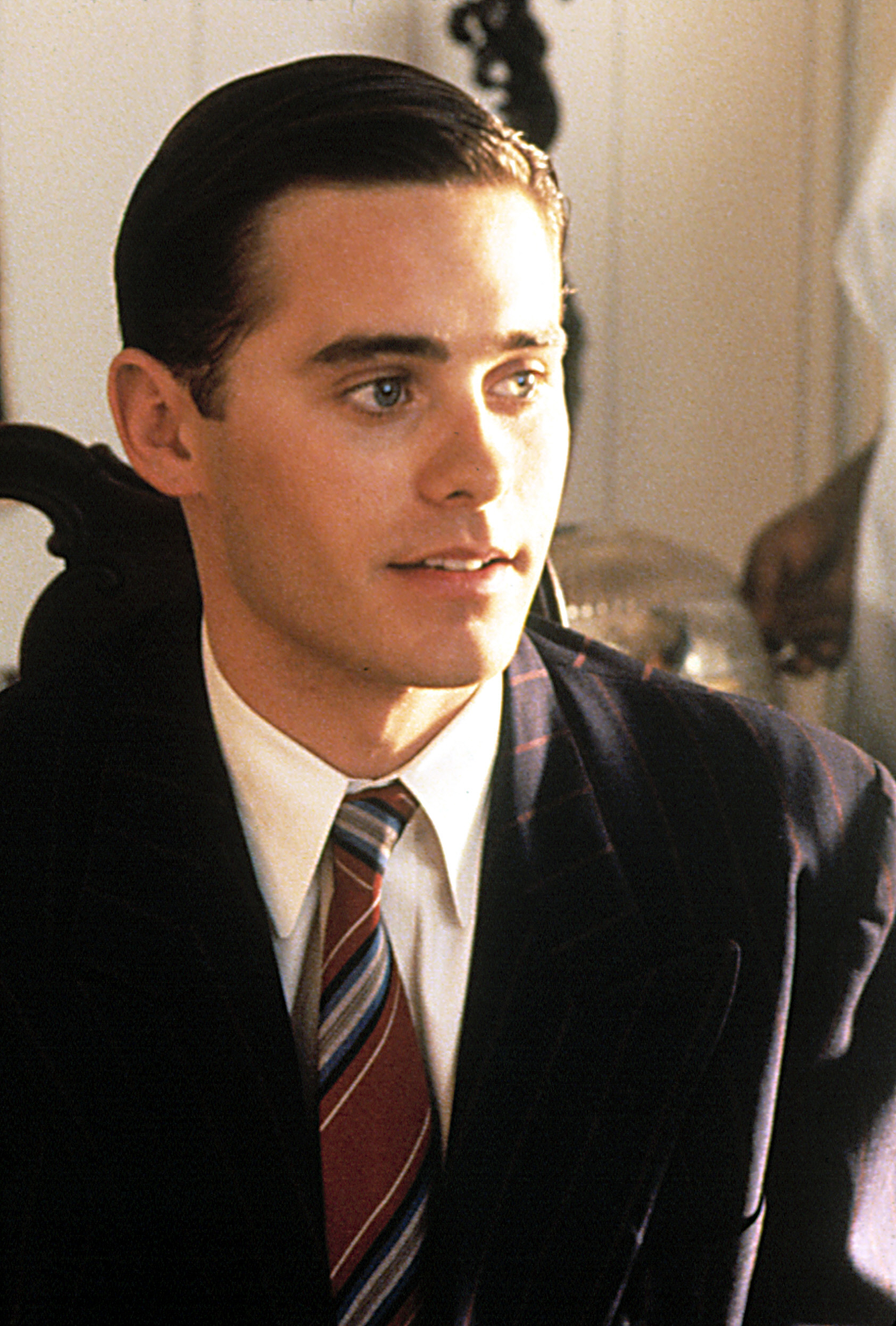
Jared Leto, who turns 46 today, looking so young in his film debut, How to Make an American Quilt, in 1995:

Actor in the Spotlight:

The latest edition of No Small Parts showcases the movie and TV career of Peaky Blinders star Cillian Murphy:

[embedded content]

Movie Science of the Day:

Kyle Hill scientifically explains why the Joker’s pencil trick in The Dark Knight wouldn’t actually be so deadly:

[embedded content]

Cosplay of the Day:

One of the best things about this year being so full of Wonder Woman cosplay is how varied the costumes are in style. Another example:

When you walk into Comic-Con dressed as Wonder Woman …to the beat of Carnival drums…@Artyfakes@VampyBitmepic.twitter.com/mBqIXkBZzY

β€” DESPOP (Des Taylor) (@DESPOPART) December 22, 2017

Filmmaker in Focus:

With Paul Thomas Anderson’s latest now in theaters, here’s a look at his reflective silence in a video by Jacob T. Swinney:

[embedded content]

Classic Trailer of the Day:

Speaking of Anderson, today is the 10th anniversary of the release of There Will Be Blood. Watch the original trailer for the classic drama below.

[embedded content]

and
Let’s block ads! (Why?)


No Image

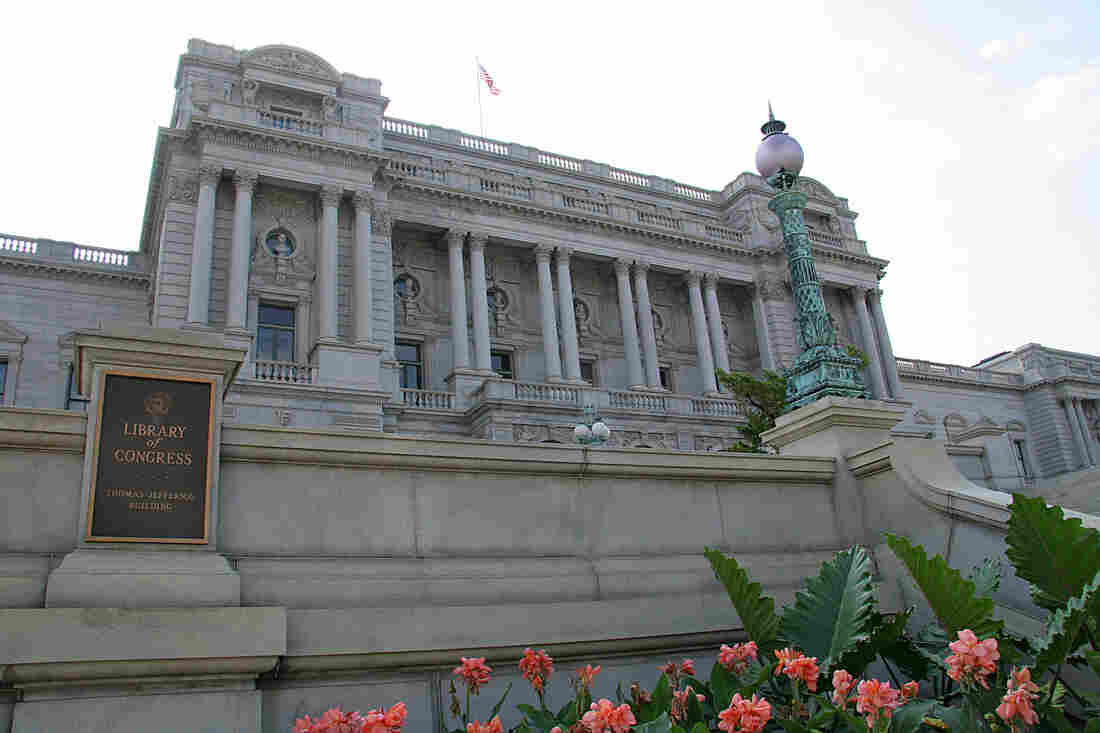
Library Of Congress Will No Longer Archive Every Tweet

The Library of Congress said on Tuesday that it will no longer archive every public tweet. Instead it will collect them “on a very selective basis.”

Karen Bleier/AFP/Getty Images

hide caption

toggle caption

Karen Bleier/AFP/Getty Images

Since 2010, Library of Congress has been archiving every single public tweet: Yours, ours, the president’s.

But today, the institution announced it will no longer archive every one of our status updates, opinion threads, and “big if true“s. As of Jan. 1, the library will only acquire tweets “on a very selective basis.”

The library says it began archiving tweets “for the same reason it collects other materials – to acquire and preserve a record of knowledge and creativity for Congress and the American people.” The archive stretches back to Twitter’s beginning, in 2006.

But as anyone who’s been following along can attest, Twitter and the way it’s used has changed since then. First and foremost from a collection perspective: the sheer number of tweets.

“The volume of tweets and related transactions has evolved and increased dramatically since the initial agreement was signed,” the library explains in a white paper accompanying the announcement.

The library doesn’t say how many tweets it has in its collection now, but in 2013, it said it had already amassed 170 billion tweets, at a rate of half a billion tweets a day.

Tweets can now be longer, too: This fall, Twitter rolled out 280-character tweets to most users across the platform.

Another issue: Twitter only gives the library the text of tweets – not images, videos, or linked content. “Tweets now are often more visual than textual, limiting the value of text-only collecting,” the library says.

The library also has to figure out how to effectively manage deleted tweets, which aren’t part of the archive.

The institution says it will continue to preserve its collection of tweets from the platform’s first 12 years, but indicates that it has yet to figure out exactly how to make the archive public.

Researchers and archivists were delighted when the archive was first announced.

“This is an entirely new addition to the historical record, the second-by-second history of ordinary people,” Fred R. Shapiro, associate librarian and lecturer at the Yale Law School, toldThe New York Times in 2010.

But from the start, the project struck some of us as a little perplexing: You guys know what Twitter’s like, right? You really want ALL the tweets?

With this change, the library is acknowledging that, no, it doesn’t want all the tweets.

“Given the unknown direction of social media when the gift was first planned, the Library made an exception for public tweets,” it explains in the white paper. “With social media now established, the Library is bringing its collecting practice more in line with its collection policies,” which are generally not comprehensive.

So what tweets will be archived going forward? It’s a little unclear, but the library says it will collect tweets that are “thematic and event-based, including events such as elections, or themes of ongoing national interest, e.g. public policy.” Which sounds more like Twitter’s Moments feature.

Going forward, the library says it will focus on preserving the enormous collection of tweets that it has already amassed: a sort of oral history of the social media era.

“The Twitter Archive may prove to be one of this generation’s most significant legacies to future generations,” the library says. “Future generations will learn much about this rich period in our history, the information flows, and social and political forces that help define the current generation.”

Let’s block ads! (Why?)


No Image

Songs We Love: Tshegue, 'Muanapoto'

Tshegue’s debut EP Survivor is out now.

Courtesy of the artist

hide caption

toggle caption

Courtesy of the artist

Handling aux cord duties in a car full of girlfriends headed to a party is no small task. Expectations for playing just the right song to soundtrack the shared levels of excitement, confidence and sass are high. It only takes a few faulty shuffles or hesitant moments of silence to get your privileges revoked. It was in such a moment last summer that my friend, Keylah, triumphantly put me on to Parisian afropunk group Tshegue.

Something of a perfect storm of culture and innovation, Tshegue mix African drum patterns with pop and punk influences. Faty Sy Savanet, a braid-swinging vocal shape-shifter born in the Democratic Republic of Congo, sings over beats made by Nicolas Dacunha (a.k.a. Dakou). The band’s debut EP, Survivor, released this past June, houses only four tracks, but every note is of dynamic, pulsing jubilation.

[embedded content]

The final song, “Muanapoto,” starts off with a simple, fast drumbeat but builds up over the course of four minutes into a controlled explosion of sound. Like a car chase in an action movie, “Muanapoto” is exhilarating as it is unexpected β€” you’re not sure where the beat will take you next, but you already know you want to be along for the ride.

Get familiar with Tshegue now and expect to hear more in 2018.

Let’s block ads! (Why?)