April 4, 2016

No Image

Fire Closes IRS Headquarters But Won't Affect Tax Return Processing

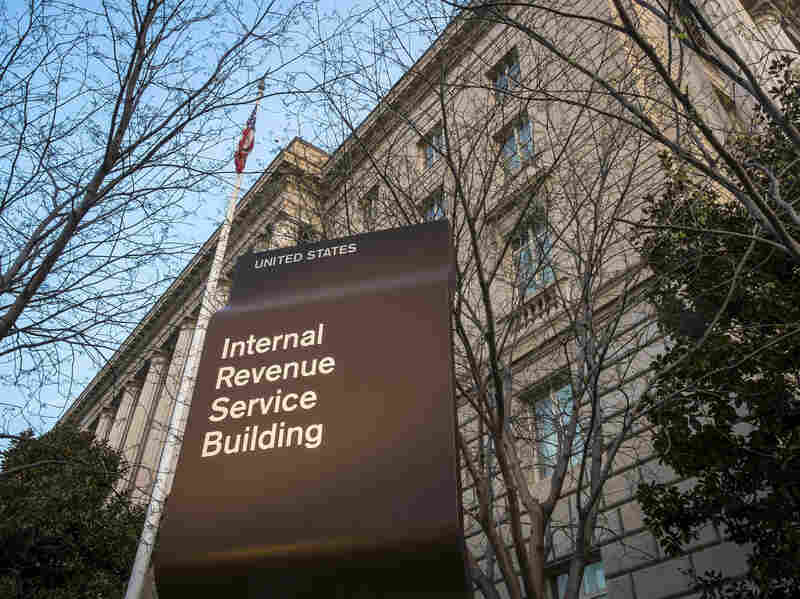
The IRS headquarters in Washington, D.C.

J. David Ake/AP

A small fire forced the evacuation of the IRS headquarters in Washington, D.C., on Monday.

Spokesman Terry Lemons told The Associated Press that the fire that started in the basement around 3:30 p.m., and created a lot of smoke — forcing the building to be evacuated.

The Washington Post reports:

The building closed about 2:45 p.m. Monday, before the fire started, “due to electrical issues with the air-conditioning system,” an IRS spokesman said. He said that about 2,000 people work there and that “a few hundred” were still in the building when the fire broke out.

There were no injuries and the cause is being investigated.

The building will be closed on Tuesday because it doesn’t have full electricity.

The fire will not affect processing of tax returns, which is done elsewhere, officials told The Post.

The tax return filing deadline is usually April 15, but this year taxpayers get a little more time to finish up — or in some cases get started.

Due to the Washington D.C. Emancipation Day holiday being observed on April 15 instead of April 16, 2016, Tax Day is on the following Monday, April 18.

But there are two exceptions: In Maine and Massachusetts, April 18 is Patriot’s Day, so taxpayers there have until April 19.

Let’s block ads! (Why?)


No Image

See What Doomsday Almost Looked Like in 'Batman v Superman: Dawn of Justice'

They came, they saw… they kicked some apocalyptic butt. But as Batman, Wonder Woman and Superman prepare to move on to the next battle in 2017’s Justice League (and the solo Wonder Woman movie that arrives a few months earlier), we’ve got some extra time to obsess over Batman v Superman: Dawn of Justice….

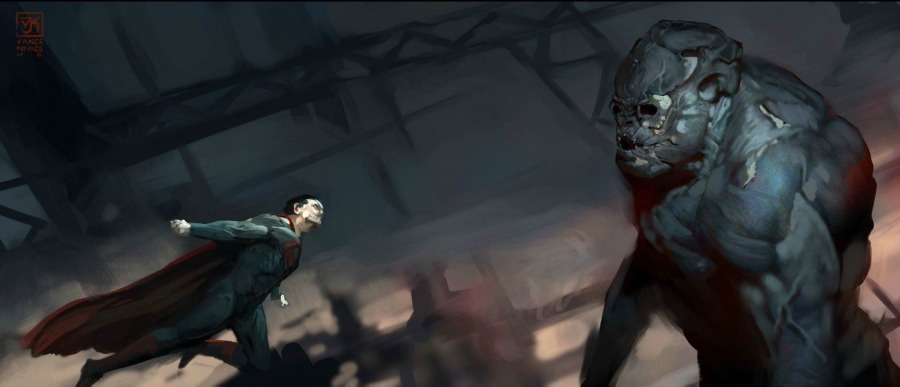
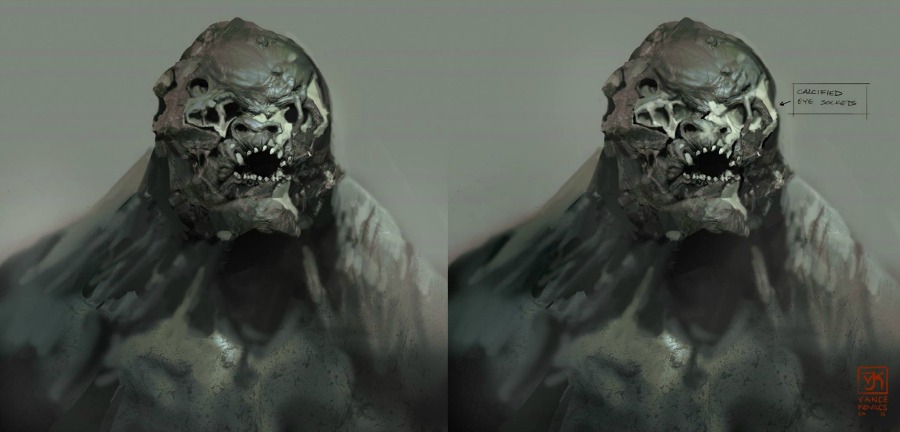
… especially this pretty spectacular concept art featuring alternate versions of the film’s other-worldly villain, Doomsday.

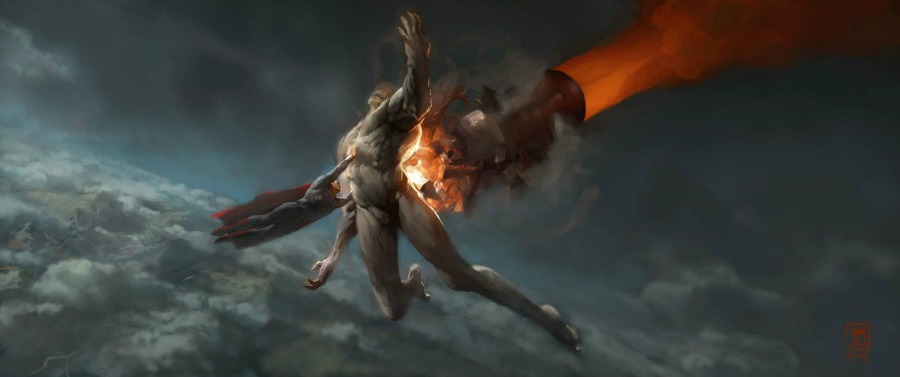
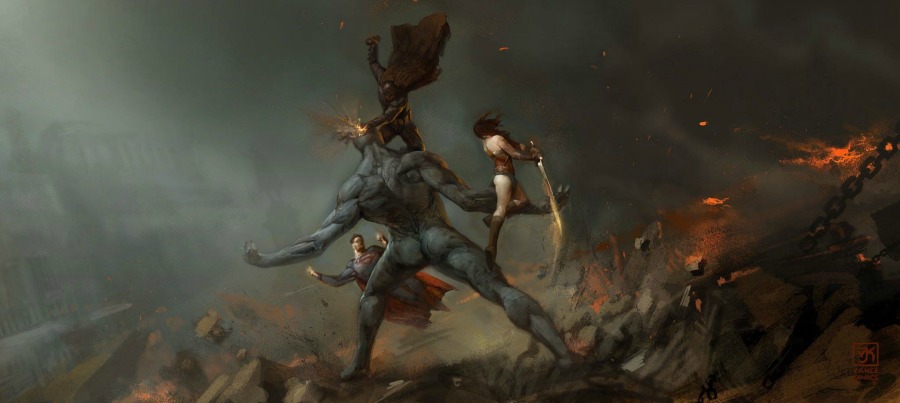
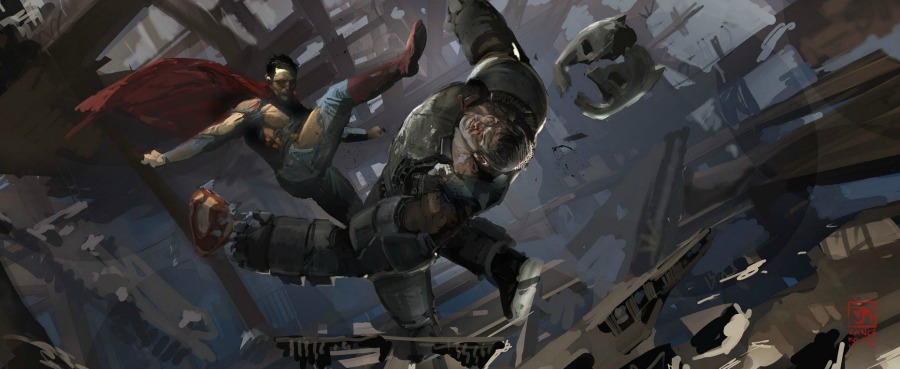
Artist Vance Kovacs has posted some of his conceptual work on Batman v Superman, which is all Doomsday-centric, revealing a few different looks at the iconic monster and his showdown with Batman, Superman and Wonder Woman.

First, here’s what Doomsday looked like in the finished film.

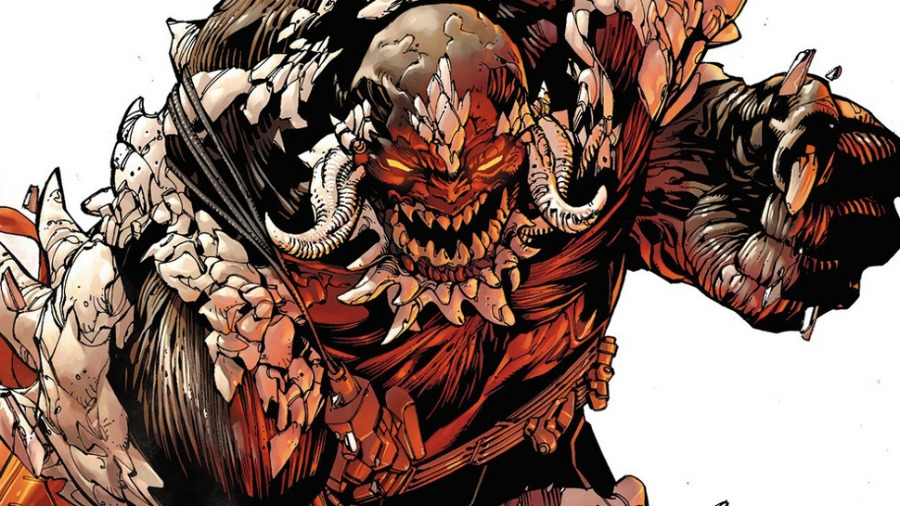
Here is a version of what Doomsday looks like in the comics

Here’s some early Doomsday concept art that show his evolution from a more god-like figure to a more monstrous-looking beast.

As a bonus, here is some of Kovacs’ concept art depicting the battle between Superman and Batman.

Let’s block ads! (Why?)


No Image

Villanova Beats North Carolina 77-74 On Buzzer Beater To Win Hoops Title

Villanova's Kris Jenkins is mobbed by teammates after hitting the game-winning three-pointer to defeat the North Carolina Tar Heels 77-74 in the NCAA title game Monday night.

Villanova’s Kris Jenkins is mobbed by teammates after hitting the game-winning three-pointer to defeat the North Carolina Tar Heels 77-74 in the NCAA title game Monday night. Streeter Lecka/Getty Images hide caption

toggle caption Streeter Lecka/Getty Images

The Villanova Wildcats’ vaunted defense locked down the North Carolina Tar Heels in the second half, and the school won its second national championship Monday night, 77-74. But not before an exchange of three-pointers in the closing seconds.

North Carolina’s Marcus Paige hit a seemingly impossible double-pump three pointer with just five seconds to go to tie the game, but Villanova’s Kris Jenkins answered at the buzzer.

The national championship game had the greatest ending in NCAA Tournament history: https://t.co/QNUUheoC48 https://t.co/7txKyoNxeW

— SB Nation (@SBNation) April 5, 2016

Villanova used a 19-5 run over nearly 10 minutes to take control of the game in the second half as the Tar Heels shot 3-14 and committed five turnovers. The Wildcats built a 10-point lead with less than six minutes to go, but seven straight points brought UNC back in striking range and set up the tense end of the game.

Villanova was led in scoring by two guards, sophomore Phil Booth with 20 and senior Ryan Arcidiacono — who was named the tournament’s most outstanding player — with 16.

Josh Hart of the Villanova Wildcats races the ball upcourt Monday in the first half against the North Carolina Tar Heels during the NCAA championship game in Houston.

Josh Hart of the Villanova Wildcats races the ball upcourt Monday in the first half against the North Carolina Tar Heels during the NCAA championship game in Houston. Ronald Martinez/Getty Images hide caption

toggle caption Ronald Martinez/Getty Images

Arcidiacono made the pass that led to the winning points, the Associated Press reported:

“Every kid dreams about that shot,” said Arcidiacono, who finished with 16 points and two assists, one more memorable than the other. “I wanted that shot, but I just had confidence in my teammates, and Kris was able to knock down that shot.”

The Tar Heels finished the first half with a 39-34 lead thanks to 7-9 shooting from three-point range and 15 points from sophomore Joel Berry II. But Berry had just 5 points in the second half as the Tar Heels were flustered by Villanova’s defense. Senior Marcus Paige led UNC with 21 points.

Joel Berry II of the North Carolina Tar Heels shoots in the first half Monday against the Villanova Wildcats during the NCAA championship game in Houston. Berry's 15 first-half points pushed the Tar Heels out to a 39-34 lead.

Joel Berry II of the North Carolina Tar Heels shoots in the first half Monday against the Villanova Wildcats during the NCAA championship game in Houston. Berry’s 15 first-half points pushed the Tar Heels out to a 39-34 lead. Pool/Getty Images hide caption

toggle caption Pool/Getty Images

As in their semifinal win over Oklahoma, when six players had 10 or more points, Villanova used balanced scoring to stay in striking distance in the first half.

Villanova, making its first NCAA championship game appearance since its surprise title as an eight-seed in 1985, were dominant in their path toward the title game, winning by an average of 24 points. That included a victory over No. 1 overall seed Kansas to reach the Final Four, and a 95-51 domination of Oklahoma in the national semifinal.

North Carolina was making its 10th NCAA title game appearance, while the Tar Heels’ coach, Roy Williams, was making his fifth appearance after going 2-2 across 28 seasons at North Carolina and Kansas.

Let’s block ads! (Why?)


No Image

Patients Miss Out On Savings When Doctors Fail To Talk About Costs

Along with the diagnosis, patients often want to talk about how much treatment will cost.

Along with the diagnosis, patients often want to talk about how much treatment will cost. Tetra Images RF/Getty Images hide caption

toggle caption Tetra Images RF/Getty Images

Talking about money is never easy. But when doctors are reluctant to talk about medical costs, patients’ health can be undermined.

A study published Monday in the journal Health Affairs explores the opportunities that are often missed in the exam room.

Patients are increasingly responsible for more of their own health costs. In theory, financial incentives are supposed to make them sharper consumers and empower them to trim unnecessary health spending. But previous work has shown it often leads them to skimp on both valuable preventive care and superfluous testing.

Doctors could play a role in helping patients find appropriate and affordable care by talking with them about out-of-pocket costs.

But, a range of physician behaviors currently stand in the way, according to the study. “We need to prepare physicians to hold more productive conversations about health care expenses with their patients,” said Peter Ubel, a physician and behavioral scientist at Duke University.

The researchers analyzed transcripts of almost 2,000 physician-patient conversations regarding breast cancer, rheumatoid arthritis and depression treatment. They identified instances in which patients suggested the cost of care might be difficult for them to bear and assessed how doctors responded.

Overall, researchers noted two ways in which doctors dismissed patients’ financial concerns. They either didn’t acknowledge them or only addressed them halfway.

For instance, if a patient commented on how expensive a drug was, the doctor might ignore the comment entirely, or might suggest a temporary solution – like a free trial – without exploring long-term strategies to address the issue.

Without a long-term plan, patients may eventually stop taking the medication, or take it irregularly. Either way, a patient would get less benefit from treatment and could getter sicker, perhaps even winding up in the hospital.

The study doesn’t measure how often doctors dismissed patient concerns – because, the researchers wrote, they didn’t know how often those dismissals led to people actually forgoing needed treatments.

Still, Ubel said, it’s clear doctors aren’t talking to patients about these expenses. He pointed to a separate analysis of those same conversations, which found that doctors discussed medical costs with patients about 30 percent of the time. And only in a minority of those discussions did doctors and patients brainstorm about ways to make medication more affordable.

“A majority of [physicians] – they don’t talk about costs,” he said. “When they do talk about it, they don’t talk about it productively.”

Why do physicians hesitate? For one thing, they aren’t used to discussing cost barriers, and many think it’s inappropriate to bring up money at all, Ubel said. When he lectures on the subject, he always encounters people who worry that discussing finances will “contaminate the doctor-patient relationship.”

Plus, doctors haven’t been taught to listen for patients’ pocketbook concerns. If a patient comes in with heartburn and indigestion, a good internist will start probing for signs of coronary disease, Ubel said. By contrast, physicians aren’t primed to pick up on cues that patients may face financial strains.

“If we had that on our list to be aware of, we’d pick up the cues. If we don’t, it’ll be right in front of our eyes, and we’ll miss it,” he added.

The idea of patients acting as consumers – weighing cost and shopping for the best health care deal – is still relatively new, the study notes. As it becomes more commonplace, patients may push doctors for more help in making cost-based decisions, Ubel said.

That said, navigating a patient’s financial circumstances and medical needs in the course of a 15-minute visit is tricky, said Jonathan Kolstad, an assistant professor of economic analysis and policy at the University of California, Berkeley. Kolstad wasn’t involved in the Health Affairs study but has researched how medical costs affect people’s decision-making.

“It’s not as though, ‘Oh, it’s just consumers can’t figure it out.’ Doctors don’t know,” he said. When it comes to figuring out what a drug will cost, doctors are in the same boat.”

Kaiser Health News is an editorially independent news service that is part of the nonpartisan Henry J. Kaiser Family Foundation. Shefali Luthra is on Twitter: @shefalil.

Let’s block ads! (Why?)